


60 Second Wash Routine for Reusable Breast Pads for New Mothers


The fastest safe routine is this: rinse or soak damp pads if you can’t wash straight away, then machine wash at 30–40°C on a gentle cycle inside a zippered mesh bag with mild detergent, never fabric softener or bleach, and dry completely before reuse. Change a pad the moment it feels damp, and wash regularly during periods of heavy leaking such as the newborn weeks. Keep a rotation of pads on hand so laundry day never leaves you without a dry, clean pair.
TL;DR:
- Machine wash pads at 30–40°C on a gentle cycle inside a zippered mesh bag, avoiding fabric softener and bleach to preserve absorbency and shape.
- Rinse or soak pads in cool water immediately if not washing right away to prevent milk proteins from setting and reduce odors.
- Dry pads completely in a well-ventilated area or on low heat in the dryer, ensuring the inner core is dry before storing to prevent mold and odors.
- Use a diluted white vinegar soak sparingly for stubborn sour smells, but avoid overusing it to protect waterproof layers and elastic integrity.
- Change pads promptly when damp, wash regularly during heavy leaking periods, and keep a rotation of 3 to 6 pairs for continuous availability.
Table of Contents
- Quick checklist: what to keep ready for a 60‑second routine
- Machine washing step‑by‑step
- Hand washing and soaking methods
- Drying, storing and preventing odour or mould
- Removing stains and persistent odours
- Do reusable breast pads increase the risk of mastitis?
- Wren’s care guidance and which pads suit your routine
- Shortcuts I’d tell any new mother
- Where to find pads built for this exact routine
- Sources
- FAQ
Quick checklist: what to keep ready for a 60‑second routine
Having the right kit within arm’s reach turns pad care into a habit rather than a chore. Most nursing mothers settle on a small, repeatable system within the first fortnight.
- Rinse or soak option: if you can’t wash immediately, drop damp pads into a bowl of cool or warm water to stop milk proteins setting and reduce odour.
- A zippered mesh laundry bag: keeps pads together in the machine and stops them snagging on other laundry.
- Mild, fragrance‑free detergent: gentle on skin and on the absorbent core.
- A sink or small bowl: dedicated to soaking, kept separate from dishes.
- 3 to 6 pairs of pads: enough to rotate while one batch is drying.
Wash new pads before their first wear. Many become more absorbent after a few cycles, so don’t judge fit or leak protection on day one.
Machine washing step‑by‑step
A cold rinse first stops milk proteins bonding to the fabric, which is why skipping straight to a hot wash often leaves faint yellow marks behind. Once pads are rinsed or briefly soaked, the rest of the routine is straightforward.
- Load pads into a zippered mesh bag so they don’t twist or lose shape.
- Select a gentle or delicate cycle at 30–40°C. Cheeky Wipes recommends this range for everyday washing with mild detergent.
- Choose 40°C rather than 30°C if you’ve recently had thrush or the pads are heavily soiled, since the higher end helps with hygiene.
- Skip fabric softener and bleach entirely. Softener residue coats the fibres and cuts absorbency, and bleach breaks down elastic and any waterproof lining.
- Add an extra rinse cycle if your machine allows it, especially with hard water, to clear detergent residue fully.
- Use a low to medium spin. A fast spin can crush the absorbent core or distort the shape of pads with a waterproof backing.
Pro Tip: Wash breast pads alongside a normal load of baby clothes or towels rather than on their own; a near-empty drum can be rougher on delicate seams than a full one.
Hand washing and soaking methods
Hand washing suits travel days, hospital bags, or a stain that needs attention before the pad goes anywhere near the machine.
- Rinse under cold or cool running water first. Hot water at this stage sets milk proteins into the fabric rather than lifting them out.
- Soak in a bowl of cool water for 15 to 30 minutes if the pad is heavily soiled, then gently squeeze, never wring, to push water through the layers.
- For stains, work a small amount of mild soap into the fabric with your fingertips rather than scrubbing hard against the seams.
- Rinse again until the water runs clear, then either leave to air dry or add the pad to your next machine load.
Aggressive rubbing wears down the outer fabric faster than any wash cycle does, so a gentle squeeze does more good than a hard scrub.
Drying, storing and preventing odour or mould
Pads that go into storage even slightly damp are the ones that come out smelling musty a week later.
- Line-dry in a spot with good airflow whenever possible; direct sun helps lift lingering odours too.
- Tumble-dry on low heat only if the manufacturer’s label allows it. High heat can warp waterproof PUL layers, so check the care instructions before you rely on the dryer.
- Check the inner absorbent core is completely dry, not just the outer fabric, before putting pads away.
- In humid weather, dry pads near a fan, in an airing cupboard, or with a dehumidifier running nearby.
- Store finished pads in a dry, ventilated container and rotate stock so freshly washed pairs are always at the front.
Removing stains and persistent odours
Set-in stains and sour smells respond to different fixes, so it helps to know which problem you’re actually solving.
- For fresh stains, a cold rinse followed by a dab of mild soap usually lifts most of the mark before it sets.
- For older, set-in stains, try an oxygen-based stain remover or a baking-soda paste left on for 15 to 20 minutes before washing.
- A diluted white vinegar soak, roughly one part vinegar to four parts water, neutralises sour odours effectively.
- Use the vinegar soak sparingly. The acid can wear down waterproof backings and elastic over repeated use.
- If pads still smell after washing, run them through a cycle with no detergent at all to strip built-up residue; if the smell persists after that, it’s time to retire the pair.
Pro Tip: Fabric softener and optical brighteners are often the real culprit behind smelly, less absorbent pads over time, so a single accidental slip of softener can noticeably change how a pad performs within a wash or two.
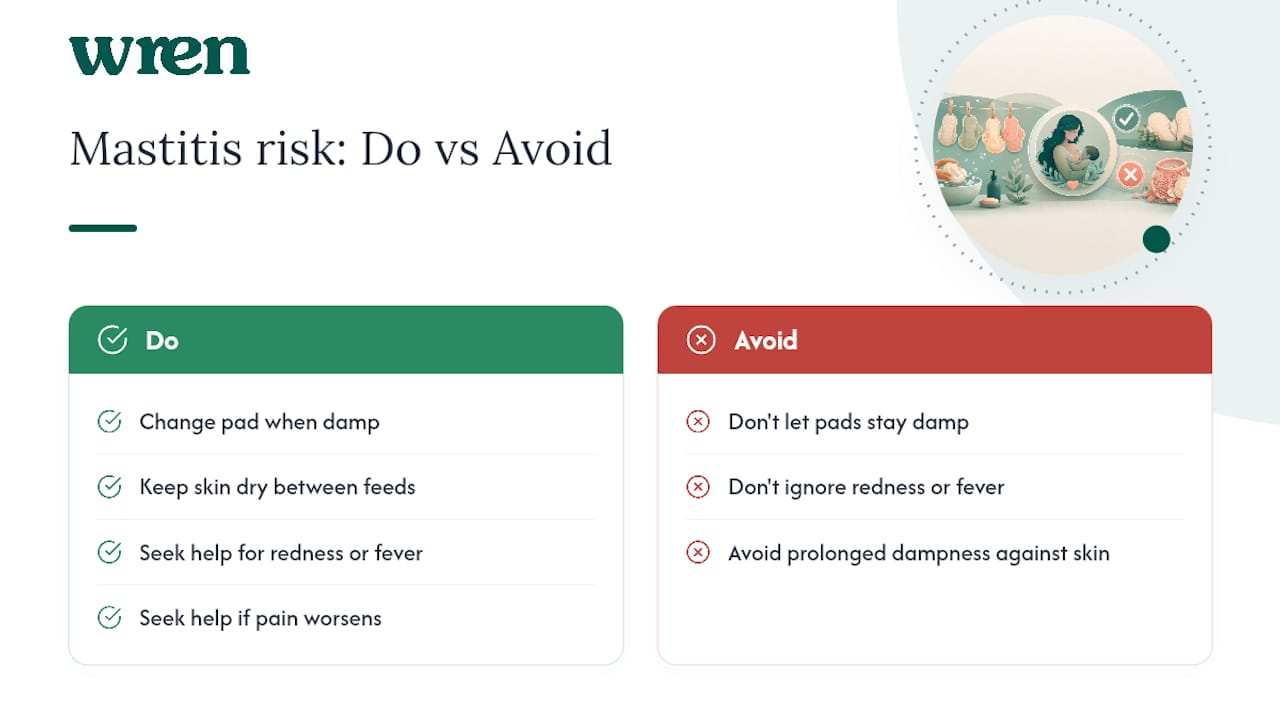
Do reusable breast pads increase the risk of mastitis?
There’s no evidence that the fabric of a reusable pad causes mastitis. Mastitis is more strongly linked to cracked nipples or blocked ducts than to pad material itself, but prolonged dampness against the skin does raise the risk of irritation and soreness. Change a pad as soon as it feels damp and keep the skin as dry as possible between feeds. Seek medical advice promptly if you notice redness, fever, or pain that’s getting worse rather than settling, as these are signs that need a clinician’s attention, not a laundry fix.
Wren’s care guidance and which pads suit your routine
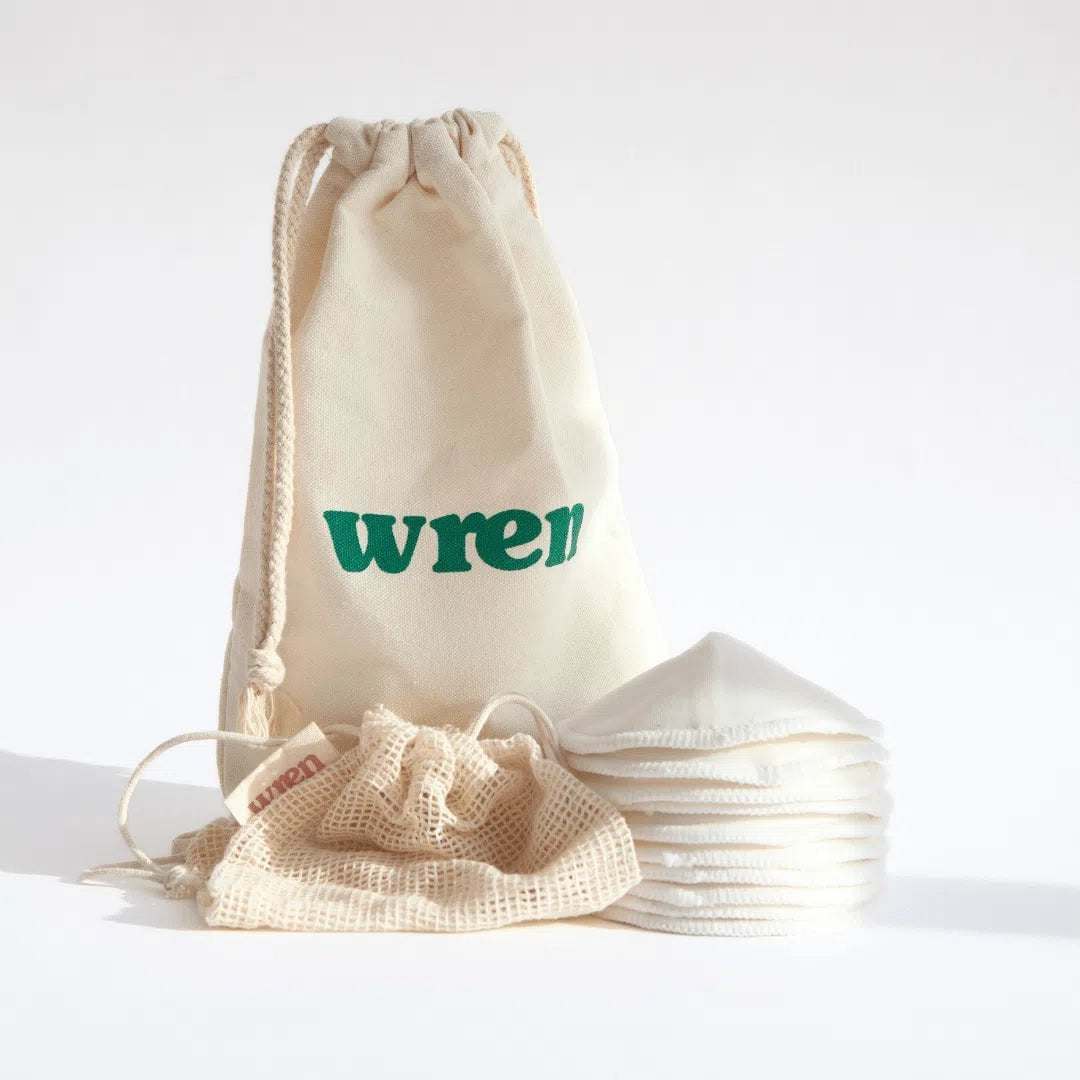
Care notes echo the same principles covered above: wash new pads before first use, wash inside a mesh bag, and leave fabric softener out of the load entirely. The Bamboo Reusable Breast Pads are built for exactly this rotation, holding up well across repeated 30–40°C washes without losing softness against the skin. For expressed milk handling alongside your pad routine, Breast Milk Storage Bags keep hygiene consistent in the fridge or freezer. The Nipple Bubble with its own storage case is worth packing for days out, keeping a spare pad or two protected until you need them.
Shortcuts I’d tell any new mother
A simple daily rhythm works best: wash one batch each evening, so you’re never caught short by morning. For hospital bags and day trips, pack more pads than you think you’ll need. Fit and absorbency vary from one body to the next, so expect some trial and error before you settle on what actually works for you. For guidance on how many pairs to keep in rotation, our breast pad quantity guide walks through the numbers in more detail.
— Paul
Where to find pads built for this exact routine
My-wren makes the washing routine simpler from the start, because the Bamboo Reusable Breast Pads are designed to hold their shape and absorbency through the 30–40°C mesh-bag wash cycle covered above, rather than degrading after a handful of washes like some thinner alternatives.
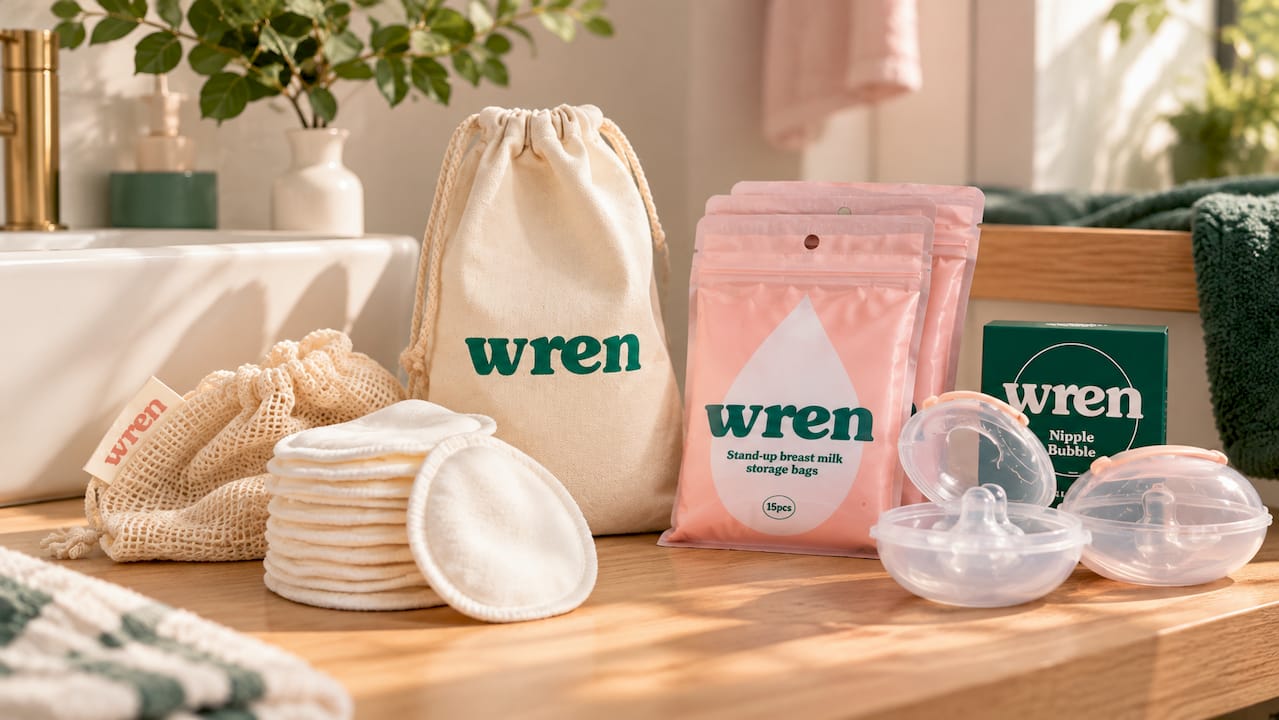
The Bamboo Reusable Breast Pads are priced on the product page in £, alongside full care notes so you know exactly what a wash cycle should look like for your set. Pair them with Breast Milk Storage Bags for hygienic milk handling between feeds, and tuck a Nipple Bubble into your changing bag for protected, on-the-go storage. Have a look at the product pages to check sizing and stock, and order the set that matches your daily rotation.
Sources
- How to Wash Reusable Breast Pads | The Nappy Gurus
- How to Use Reusable Breast Pads | Cheeky Wipes
- How to wash and dry reusable nursing pads – Confitex NZ
- Best breast pads — BabyCentre
FAQ
What is the best way to wash reusable breast pads?
Machine wash at 30–40°C on a gentle cycle inside a zippered mesh bag, using mild detergent and no fabric softener, then dry completely before reuse.
Can reusable breast pads cause mastitis?
There’s no evidence that pad fabric itself causes mastitis, which is more closely linked to cracked nipples or blocked ducts, though leaving a damp pad against the skin for too long can increase irritation.
How do I get urine or sour smells out of reusable pads?
Soak pads in a diluted white vinegar solution, around one part vinegar to four parts water, then wash as normal; use this soak sparingly since the acid can wear down waterproof backings over time.
How often should I wash reusable nursing pads?
Change a pad as soon as it feels damp and wash before wearing it again, which often means washing daily during the heavier leaking of the newborn weeks.
Can I tumble-dry reusable breast pads?
Only on low heat and only if the manufacturer’s care label permits it, since high heat can warp waterproof PUL backing; line-drying is the safer default.


