


Postpartum essentials UK: what new mums actually need


The non-negotiable postpartum essentials every UK mother needs at home are perineal care items, maternity pads, comfortable underwear, nipple and breast care products, a breast pump, a fitted car seat, and a water bottle for feeding sessions. Have these ready before 36 weeks.
Here is the core list to have at home before the baby arrives:
- Maternity pads (at least two packs, hospital-grade thickness)
- Disposable or high-absorbency postpartum underwear
- Peri bottle for perineal cleansing
- Cold or gel packs for perineal comfort
- Nipple balm or lanolin cream
- Reusable or disposable breast pads
- Nursing bras (two to three, fitted in the third trimester)
- Breast pump and milk storage bags
- Newborn nappies and wipes
- A fitted, new infant car seat
Pack your hospital bag and have your home recovery kit ready by 36 weeks. Labour can begin earlier than expected, and having everything organised removes a significant source of stress in the final weeks.
Key takeaways
The single most important action is to have your hospital bag packed and your home recovery kit ready by 36 weeks, with safety-critical items (car seat, cot mattress) purchased new.
| Point | Details |
|---|---|
| Pack by 36 weeks | Hospital bag and home recovery kit should be ready before labour begins. |
| Buy safety-critical items new | Car seats and cot mattresses must be new; second-hand versions carry safety risks. |
| Focus on the big three | Prioritise safe sleep, feeding support, and safe transport before buying extras. |
| Core recovery items first | Maternity pads, perineal care, nipple balm, and a breast pump cover most first-week needs. |
| My-wren for feeding essentials | Wearable pumps, Bamboo Reusable Breast Pads, Lactation Massager, and Nipple Bubble are available at my-wren.com. |
Table of Contents
- What should you pack in your hospital bag?
- Postpartum must-haves by category: what to buy now, what to wait for
- How to care for yourself in the first weeks
- When to buy postpartum essentials and where to shop in the UK
- How do you choose the right breast pump?
- What the postpartum product market gets wrong
- Wren’s breastfeeding and recovery essentials
- Sources
What should you pack in your hospital bag?
The NHS hospital bag checklist recommends having bags ready in case labour starts early, with separate items for you, the baby, and your birth partner.
For you
- Front-opening nightwear or a nursing-friendly nightdress
- Two to three nursing bras
- Maternity pads (a full pack)
- Comfortable, loose underwear or disposable briefs
- Toiletries: toothbrush, flannel, lip balm, hair ties
- Snacks and a refillable water bottle
- Phone charger and headphones
- Maternity notes and any relevant documentation
- A change of clothes for going home
For the baby
- Three to four babygrows and vests (newborn and 0–3 month sizes)
- A hat and scratch mitts
- A blanket
- Newborn nappies and cotton wool or wipes
- A going-home outfit
- A new, fitted infant car seat (must be installed in the car before you leave for hospital)
For the birth partner
- Snacks, drinks, and cash for the vending machine
- A phone charger
- A change of clothes
- Any personal medication
- A pillow (useful for long labours)
Pro Tip: Split your packing into two bags: one for the hospital stay and one left at home with your recovery essentials (peri bottle, extra maternity pads, nipple balm, and comfortable clothing). That way, whoever collects your home bag knows exactly what to bring.
Postpartum must-haves by category: what to buy now, what to wait for
Baby care professionals advise focusing on three priorities: a safe sleep environment, effective feeding support, and safe transport. Everything else can follow once you know what you actually need.
Perineal care
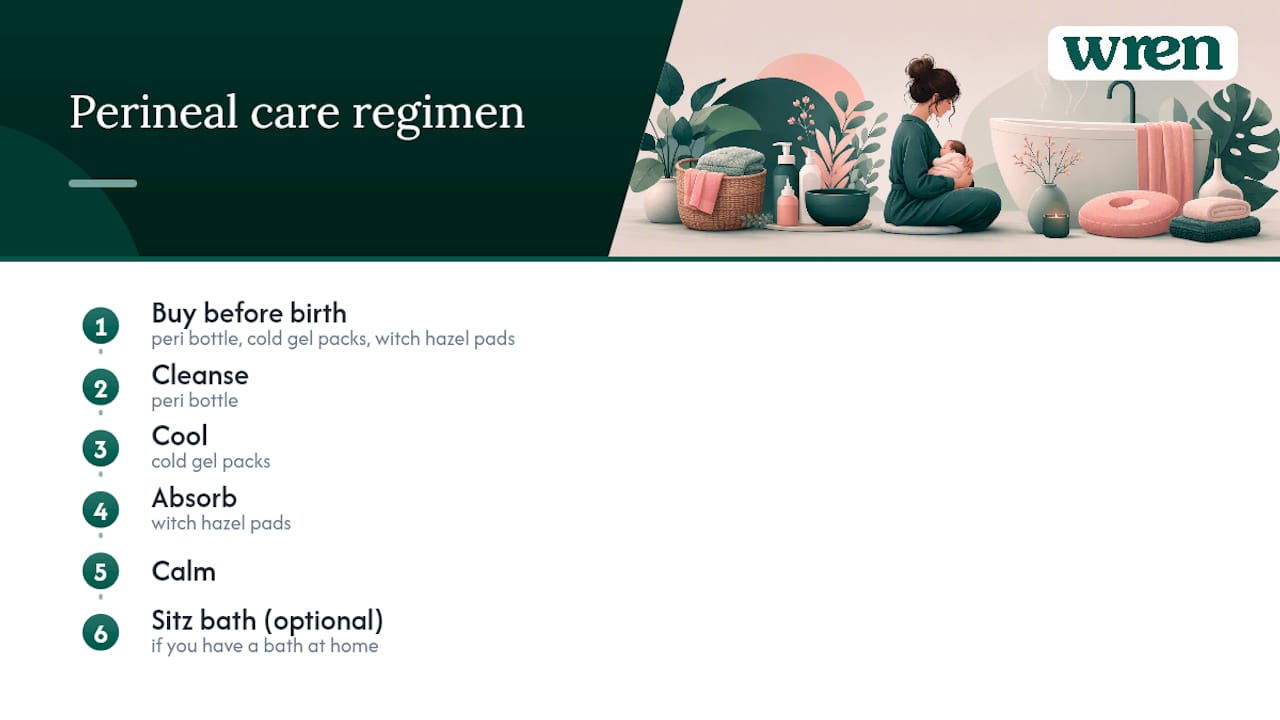
Buy before birth: a peri bottle, cold gel packs, and witch hazel pads. These form the core of a multi-step perineal regimen: cleanse, cool, absorb, calm. A sitz bath is a useful addition if you have a bath at home.
Can wait: specialist postpartum recovery bundles. Many contain items you may not use. Buy components individually once you know what helps.
Maternity pads and underwear
Buy before birth: two packs of maternity pads (hospital-grade) and several pairs of high-waist disposable briefs or absorbent postpartum underwear. Standard sanitary towels are not thick enough for the first days.
Can wait: longer-term period underwear. Try a pair first to check fit and comfort before buying a full set. For body-confidence and comfort options, postpartum lingerie is worth exploring once lochia has reduced.
Nipple and breast care
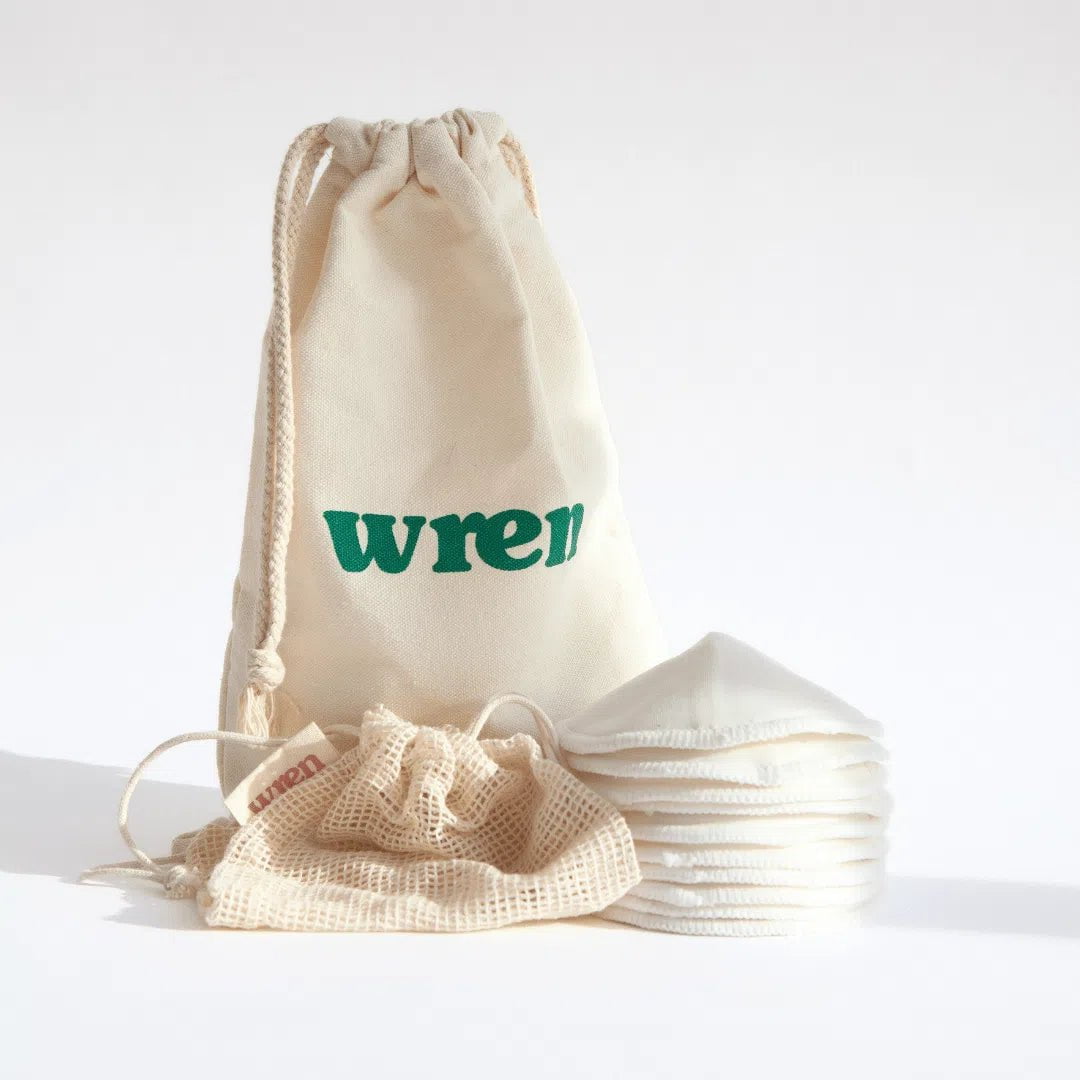
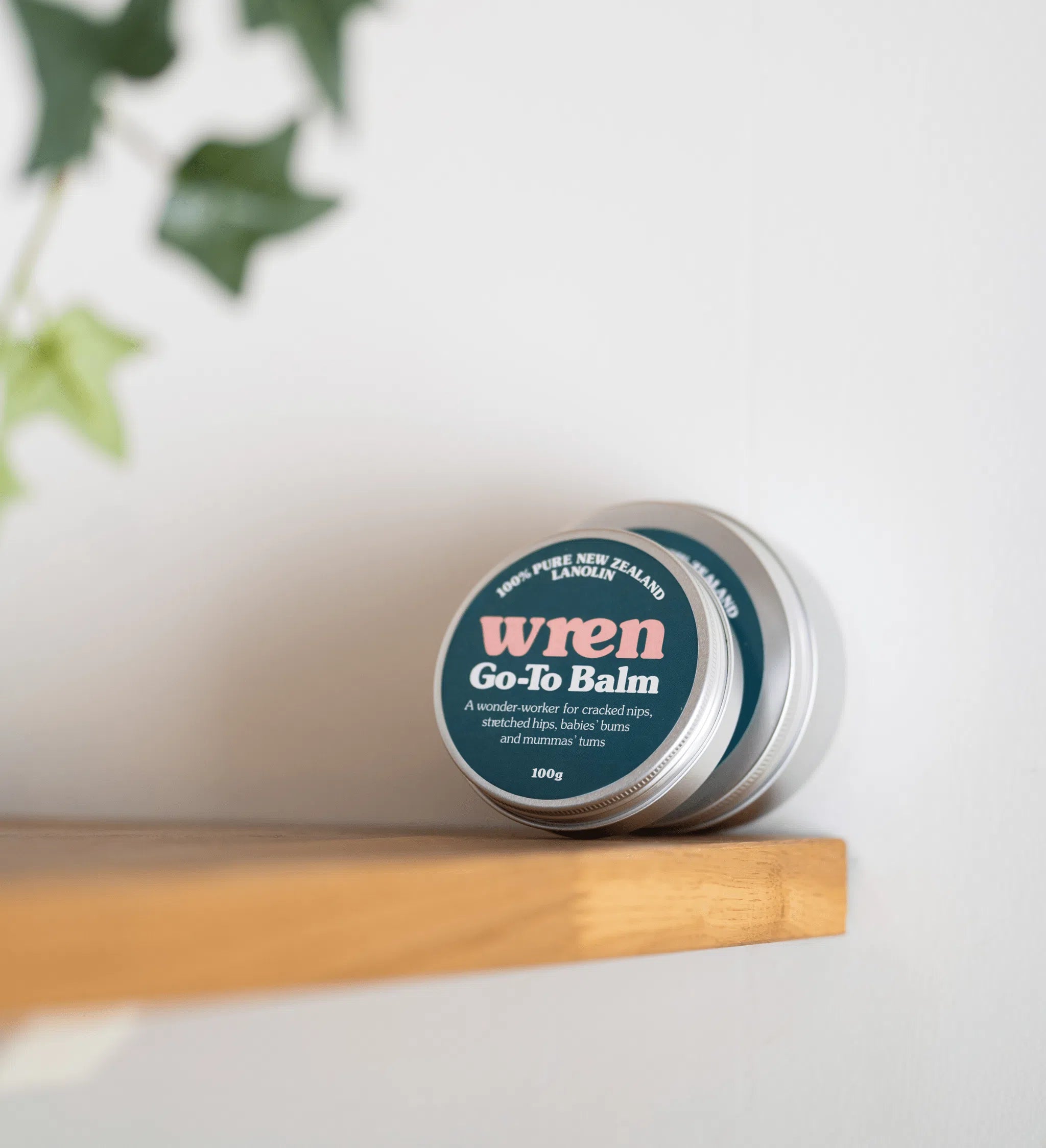
Buy before birth: nipple balm, two packs of breast pads (reusable or disposable), and nipple protectors if you have flat or inverted nipples. Bamboo Reusable Breast Pads are a practical choice: washable, soft against sensitive skin, and cost-effective over weeks of use.
Can wait: a lactation massager. Useful for blocked ducts and improving milk flow, but not needed until feeding is established.
Breast pumps and accessories
Buy before birth: decide on your pump type and have it ready. Milk storage bags can be bought alongside. See the dedicated pump section below for buying criteria.
Can wait: a full set of spare parts. Order once you know which parts wear fastest for your pump model.
Pelvic-floor support
Buy before birth: nothing specific. NHS guidance recommends starting pelvic-floor exercises from day one after birth, which cost nothing.
Can wait: a pelvic-floor trainer device. These are useful for some mothers but are not a first-week priority.
Safe sleep and transport
NHS guidance is clear: a cot mattress and car seat must be purchased new. A second-hand car seat may carry invisible structural damage that compromises crash protection. A Moses basket or crib can be second-hand if the mattress is new and fits snugly with no gaps.
Pro Tip: Avoid buying gadgets before the birth. A white-noise machine, a bottle warmer, and a nappy bin are all items you may never use. Add them only if a specific need arises.
How to care for yourself in the first weeks
Perineal hygiene and wound care
Cleanse the perineal area with warm water after every toilet visit, using a peri bottle to direct the flow. Pat dry rather than wiping. If you have stitches from a tear or episiotomy, keep the area clean and dry, and change maternity pads regularly. Signs of infection include increasing pain, swelling, redness, an unpleasant smell, or a fever. Contact your midwife or GP promptly if any of these appear.
Pain relief
Paracetamol and ibuprofen are the two most commonly recommended options for postpartum pain in the UK, and both are compatible with breastfeeding at standard doses. Cold gel packs reduce perineal swelling in the first 48 hours. A ring cushion can make sitting more comfortable if you have stitches.
Pelvic-floor recovery
Start gentle pelvic-floor contractions as soon as you feel able after birth, even if you had a caesarean. Short, regular sessions throughout the day are more effective than one long attempt. Avoid high-impact exercise until you have been assessed by a physiotherapist or your GP at the six-week postnatal check.
Rest and hydration
Sleep when the baby sleeps is practical advice, not a cliché. Breastfeeding increases fluid requirements, so keep a large refillable water bottle within reach during every feeding session. Fatigue affects mood, milk supply, and physical recovery.
Mental health and emotional wellbeing
The “baby blues” typically peak around days three to five after birth and resolve within two weeks. Postpartum depression is different: it persists, worsens, and affects daily functioning. Signs include persistent low mood, difficulty bonding with the baby, anxiety, irritability, and feeling unable to cope.
UK support is available through:
- Your GP or health visitor (first point of contact for postpartum depression assessment)
- The NHS talking therapies service (self-referral available in most areas)
- PANDAS Foundation UK (peer support for perinatal mental illness)
- Association for Post Natal Illness (APNI) helpline
- Postnatal depression support online via MySafeTherapy for professional therapy
Pro Tip: Tell your midwife or health visitor how you are feeling at every check. Postpartum depression is common and treatable. Early support produces better outcomes than waiting to see if things improve on their own.
Red flags: seek medical help immediately if you experience
- Heavy bleeding that soaks more than one pad per hour
- A temperature above 38°C
- Severe headache, visual disturbance, or sudden swelling (possible signs of pre-eclampsia)
- Chest pain or difficulty breathing
- Thoughts of harming yourself or the baby
When to buy postpartum essentials and where to shop in the UK
Buying timeline
Retail advice recommends spreading purchases across the third trimester to ease costs and avoid last-minute panic buying.
- By 28 weeks: order the car seat and any large nursery items. These take time to research and install.
- By 32 weeks: buy nursing bras (fitted in person where possible), maternity pads, and breast pads.
- By 36 weeks: hospital bag packed and home recovery kit ready. Breast pump purchased and tested.
- After birth: add items as needs arise. A lactation massager, extra storage bags, or a pelvic-floor trainer can all wait until you know you need them.
Where to shop in the UK
- High-street pharmacies (Boots, Lloyds Pharmacy): maternity pads, nipple balm, breast pads, pain relief, and peri bottles.
- Specialist baby retailers (Mothercare online, Mamas & Papas, John Lewis): nursing bras, car seats, sleep equipment, and breast pumps.
- NCT nearly-new sales and charity shops: clothing, Moses baskets, bouncers, and play equipment. Always buy a new mattress regardless of the basket’s condition.
- My-wren online shop: wearable breast pumps, breastfeeding accessories, reusable breast pads, lactation massagers, and milk storage bags.
Budgeting tips
- Build a registry or wishlist so family and friends can contribute to safety-critical or higher-cost items.
- Prioritise spending on items that must be new: car seat, cot mattress, breast pump (for hygiene reasons if buying electric).
- Buy clothing in 0–3 month sizes rather than newborn; babies outgrow newborn within weeks.
- Bundle buys from a single retailer often reduce shipping costs and simplify returns.
How do you choose the right breast pump?
Manual, electric, and wearable: which suits you?
A manual pump is lightweight and quiet, but requires one hand to operate and is tiring for regular use. A standard electric pump is faster and more consistent, but ties you to a power socket and a pumping chair. A wearable electric pump sits inside a nursing bra, runs on battery, and allows you to move freely while expressing. For mothers returning to work, managing feeds around other children, or simply wanting flexibility, the wearable option removes the most friction from a daily routine.
For a deeper look at electric options, the guide to electric breast pumps covers buying criteria in detail.
What to look for when buying
- Suction modes and comfort settings: look for adjustable suction levels and a let-down mode that mimics a baby’s natural feeding rhythm.
- Battery life: a minimum of two to three full sessions per charge for a wearable pump.
- Ease of cleaning: fewer parts mean faster sterilisation. Check whether parts are dishwasher-safe.
- Noise level: relevant for expressing at work or in shared spaces.
- Accessories included: milk storage bags, breast pads, and a carry case add practical value.
- Warranty and after-sales support: check the length of the warranty and whether UK-based support is available.
Wren wearable pumps and accessories
My-wren’s wearable breast pumps are designed for hands-free expressing at home, at work, or on the move. Key accessories that complement the pump include:
- Bamboo Reusable Breast Pads: soft, washable pads that sit comfortably against sensitive skin between feeds.
- Lactation Massager: supports milk flow and helps relieve blocked ducts before or during a pumping session. Guidance on choosing one is covered in the lactation massager guide.
- Nipple Bubble with storage case and bag: a nipple protector with integrated storage, useful for sore or cracked nipples in the early weeks of feeding.
For mothers who want a ready-assembled kit, My-wren’s breastfeeding bundles group the pump and core accessories together.
Pro Tip: Sterilise all pump parts before first use and after every session for the first six weeks. Once your baby is past six weeks and healthy, a thorough wash in hot soapy water followed by air-drying is sufficient for most parts between sessions.
What the postpartum product market gets wrong
Most postpartum product lists are built around anxiety rather than need. They suggest you require a dozen specialist items before you can cope, when the reality is that the first two weeks at home require very few things: clean pads, a way to cleanse the perineum, something to soothe sore nipples, and a reliable way to feed the baby.
The wearable pump category is a good example of where the market has genuinely improved things. The practical barrier for many mothers who want to express is not motivation but logistics: finding time to sit still, attached to a machine, while managing a newborn. A hands-free pump does not solve every problem, but it removes a real one.
The same logic applies to reusable breast pads and a lactation massager. Neither is glamorous. Both address specific, recurring discomforts that affect feeding consistency. Buying them before birth means you have them when you need them, rather than ordering at 2 AM when a blocked duct has already become painful.
The advice to “wait and see what you need” is sensible for most gadgets. For the core recovery and feeding items, having them ready before 36 weeks is the more practical position.
Wren’s breastfeeding and recovery essentials
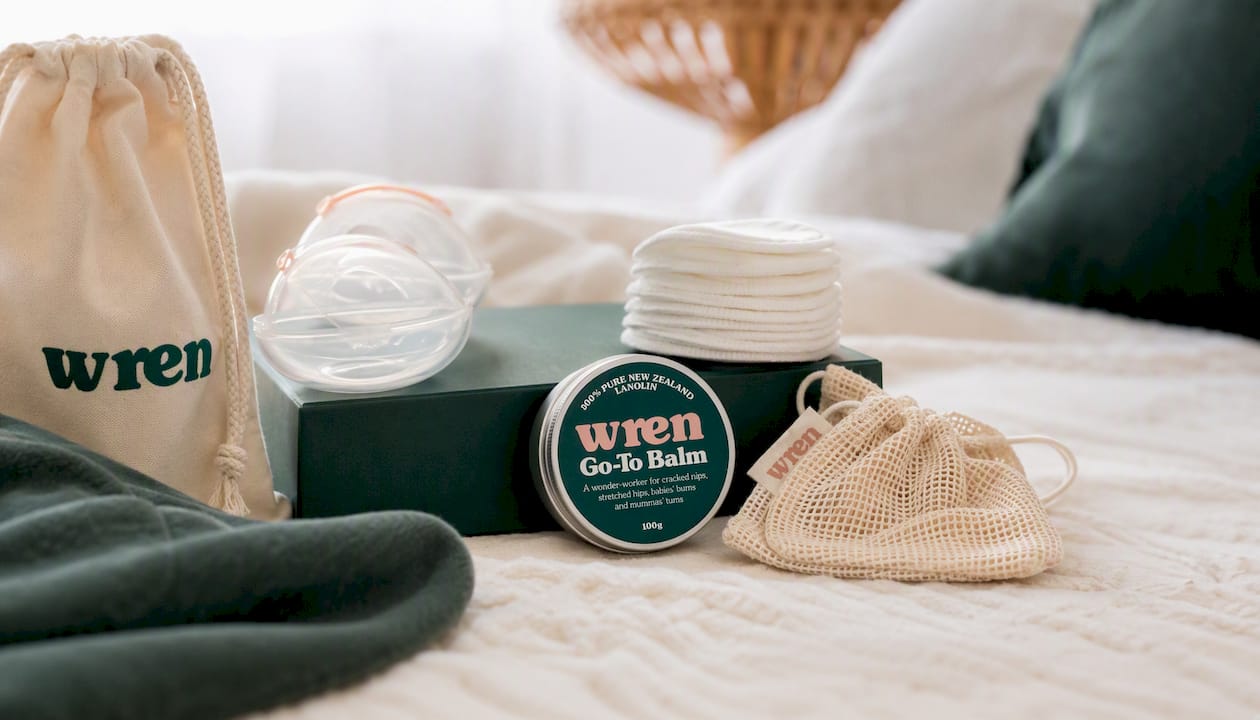
My-wren brings together the core items that support comfortable, consistent feeding from the first days at home. The wearable breast pump range is built for hands-free expressing, and the accessory line covers the practical gaps: Bamboo Reusable Breast Pads for daily comfort, the Lactation Massager for blocked ducts and milk flow, and the Nipple Bubble for nipple protection with integrated storage.
Browse the full breastfeeding accessories collection or explore breastfeeding kits and bundles for a ready-assembled set. If you are buying as a gift, the baby shower gifts section groups the most practical options together.
Sources
The guidance in this article draws on NHS clinical advice and UK baby care professional recommendations. These are the primary sources to consult for detailed or up-to-date clinical guidance:
- Hospital bag checklist - Best Start in Life - NHS
- The Ultimate Newborn Essentials Checklist for UK Parents - Baby care professional
These sources were selected for their alignment with NHS clinical guidance, midwifery practice, and practical UK shopping advice.
This article is general information, not a substitute for advice from a qualified doctor. Consult a qualified healthcare professional about your own circumstances before acting on anything here.


