


Stop pumping gradually: a practical weaning plan for mums


The safest way to stop pumping gradually is a slow taper: drop or shorten one session at a time, then wait for your body to adjust before making the next change. KellyMom recommends dropping one session every 3–7 days, shortening sessions by 2–5 minutes every 2–3 days, or spacing pumps further apart. Let comfort guide the pace throughout.
Three things you can start today:
- Drop your lowest-yield session first, typically the evening or late-afternoon pump.
- Shorten your next session by 2–3 minutes rather than stopping it entirely.
- If you feel pressure or fullness between sessions, hand express for one to two minutes only, just enough to relieve discomfort.
Red flags: contact NHS 111 or your GP immediately if you develop a fever, a red or swollen area on your breast, or pain that worsens rather than eases. These are signs of mastitis or a breast infection and need prompt medical attention.
Key takeaways
Stopping pumping gradually, one session at a time with at least 3–7 days between changes, is the most reliable way to reduce supply without triggering engorgement or mastitis.
| Point | Details |
|---|---|
| Taper one step at a time | Drop or shorten one session every 3–7 days; let comfort guide the pace before making the next change. |
| Drop evening sessions first | Low-yield evening pumps are the safest starting point; leave high-yield morning sessions until last. |
| Watch for red flags | Fever, spreading redness, or worsening pain need prompt NHS 111 or GP contact. |
| Expect emotional shifts | Hormone changes during weaning can affect mood; speak to your health visitor if low mood persists beyond two to three weeks. |
| My-wren for comfort pumping | My-wren’s hands-free pumps support short, low-pressure comfort sessions during the final stages of tapering. |
Table of Contents
- Why stopping pumping gradually matters for your health
- How to stop pumping gradually: a step-by-step plan
- How to prevent and treat blocked ducts and mastitis
- How to support your baby’s feeds during the transition
- Emotional changes when you stop pumping
- How long does stopping pumping usually take?
- Practical tips that make gradual stopping easier day to day
- My-wren pumps for a more comfortable taper
- Sources
Why stopping pumping gradually matters for your health
Breast milk production runs on a supply-and-demand system. Every time milk is removed, your body receives a signal to produce more. When milk stays in the breast, a protein called the Feedback Inhibitor of Lactation (FIL) builds up and tells your body to slow production. A gradual reduction gives FIL time to work. Stopping suddenly does not.
Engorgement is the most immediate risk. Milk builds up faster than your body can reabsorb it, causing swelling, tightness, and significant pain. Left unmanaged, engorgement can progress to a blocked duct, where milk backs up in one area of the breast and forms a hard, tender lump.
Mastitis is the more serious complication. It develops when a blocked duct becomes inflamed or infected. Symptoms include a red, hot, painful patch on the breast, flu-like aching, and fever. NHS guidance on mastitis advises self-care steps for mild cases but is clear that you should contact your GP or NHS 111 if symptoms are severe or do not improve within 24 hours.
Stopping abruptly can also affect your mood. Prolactin and oxytocin, the hormones involved in milk production, drop sharply when pumping stops suddenly. Some mothers notice low mood, irritability, or tearfulness during this period. A gradual reduction allows hormone levels to fall more slowly.
How to stop pumping gradually: a step-by-step plan
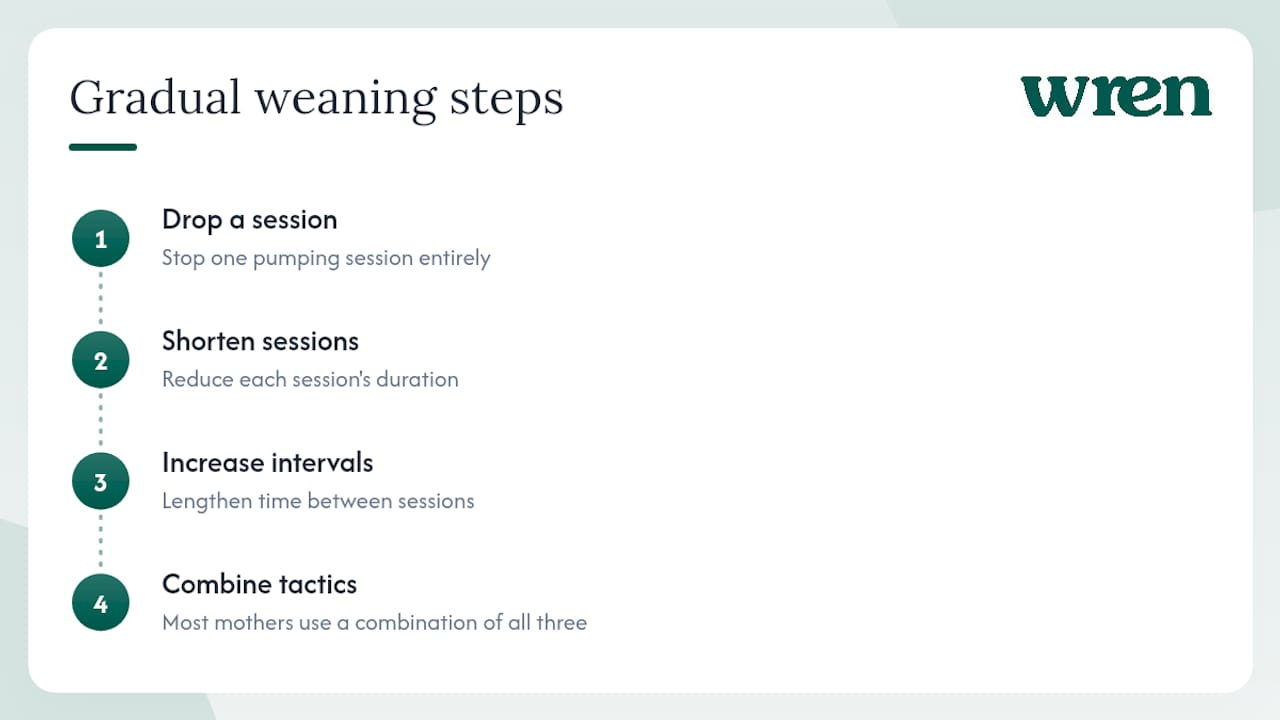
There are three core tactics: drop a session entirely, shorten a session’s duration, or increase the gap between sessions. Most mothers use a combination of all three.
Step 1: Identify your lowest-yield session
Start with the session that produces the least milk. For most mothers, this is the evening or late-afternoon pump. Morning pumps tend to produce the most milk because prolactin levels peak overnight, so leave those until last.
Step 2: Drop one session at a time
Remove one session from your schedule and wait. KellyMom advises waiting 3–7 days before making the next change. Most practitioners suggest waiting at least 48–72 hours after each adjustment to see how your body responds before reducing further, according to Joy’s weaning guide.
Step 3: Shorten remaining sessions
Once you have dropped a session, begin shortening the remaining ones. Reduce each session by 2–5 minutes every 2–3 days. If you were pumping for 20 minutes, move to 17 minutes, then 14, then 10. Small, regular cuts are far more comfortable than halving a session in one go.
Step 4: Increase the interval between sessions
As sessions shorten, also push the gaps between them. If you pump every three hours, move to every 3.5 hours, then every four hours. Longer gaps reduce the signal to produce milk without causing the sudden pressure of a dropped session.
Step 5: Comfort pump only
Once you are down to one or two short sessions, switch to comfort pumping only. Pump for two to three minutes, just enough to take the edge off fullness. Do not empty the breast fully. PumpingSchedule notes that fully emptying the breast signals your body to produce more, which is the opposite of what you want at this stage.
Step 6: Stop completely
When you can go 24–48 hours without discomfort, you are ready to stop entirely. If a lump appears at any point, pause the wean, treat the blockage (see the section below), and resume reducing only once it has cleared.
Pro Tip: If you hit a hard, tender lump during your taper, do not push through. Pause the reduction, apply a warm compress, and gently massage the area before your next comfort pump. Resume reducing only once the lump has resolved.
Sample timelines
PumpingSchedule’s week-by-week plans show that most mothers complete the process in 2–6 weeks, with pace depending on starting frequency.
Going faster than this raises the risk of engorgement and blocked ducts. Individual variation is large; some mothers need to slow to one change per week or less.
How to prevent and treat blocked ducts and mastitis
Recognising the warning signs
A blocked duct feels like a firm, tender lump. The skin over it may be slightly red and warm. Blocked ducts are common during weaning and usually resolve with self-care within a day or two.
Mastitis goes further. According to NHS mastitis guidance, symptoms include a red, swollen, painful area of the breast, a high temperature (38°C or above), flu-like aching, and fatigue. If you have any of these, contact your GP or call NHS 111 promptly.
Self-care steps for a blocked duct
Warm compress. Apply a warm (not hot) flannel or heat pad to the affected area for a few minutes before pumping or hand expressing. Warmth helps milk flow more freely.
Gentle massage. Using two or three fingers, apply light circular pressure around the lump and stroke gently toward the nipple. Avoid pressing hard, which can worsen inflammation.
Efficient drainage. Position your pump or hand so that the blocked area is drained first. For a lump on the outer breast, leaning forward slightly during pumping can help.
Analgesia. Paracetamol and ibuprofen are both suitable for pain relief during weaning and are compatible with breastfeeding. Follow the standard adult dosage on the packet. Ibuprofen also has an anti-inflammatory effect, which can help with swollen tissue. If you have any concerns about medication while still feeding, check with your pharmacist or GP.
Cold packs after pumping. A cold compress or a bag of frozen peas wrapped in a cloth applied after expressing can reduce swelling and ease discomfort between sessions. This is different from the warm compress used before pumping.
Pro Tip: A lactation massager used before or during a comfort pump can help shift a stubborn blockage. Use it on the affected area with gentle, outward strokes toward the nipple rather than pressing directly on the lump.
If self-care does not clear a blocked duct within 24–48 hours, or if you develop a fever or spreading redness, contact your GP. When calling NHS 111, tell them your temperature, how long symptoms have been present, and whether the redness is spreading. They will triage you and advise whether you need a same-day GP appointment or a prescription.
How to support your baby’s feeds during the transition
Reducing pumped volume does not have to mean reducing what your baby receives. There are several practical ways to manage the transition.
- Use stored expressed milk first. If you have a freezer stash, this is the time to use it. Rotate oldest milk first and label bags clearly with the date expressed.
- Paced bottle feeding. Hold the bottle horizontally and allow your baby to draw milk at their own pace, with short pauses. This mirrors breastfeeding and reduces the risk of overfeeding during the switch.
- Introduce formula if needed. If pumped volume drops before your baby is ready for solids, formula can fill the gap. There is no requirement to replace every pumped feed with expressed milk. Many mothers begin reducing pumping as solids increase around six months, with some continuing until nearer 9–12 months, according to Motherlove’s guidance on when to stop pumping.
- Seek feeding support. Your health visitor can advise on pacing feeds, introducing formula, and managing the transition. Contact them through your GP surgery or children’s centre. The Healthier Together NHS resource also provides stepwise guidance and links to local support.
For detailed NHS storage rules covering fridge and freezer times, visit the NHS breastfeeding pages directly. Labels should include the date and volume; milk stored in the fridge is generally suitable for up to five days at 4°C or below.
Emotional changes when you stop pumping
Hormone shifts during weaning are real and can catch mothers off guard. As prolactin drops, some mothers experience low mood, tearfulness, or a sense of loss, even when stopping was a deliberate, positive decision. This is a physiological response, not a sign that something is wrong.
Practical steps that help: keep a short list of people you can call on difficult days, plan a small daily ritual that is just for you (a walk, a hot drink without interruption), and acknowledge that the feelings are temporary and tied to hormonal change rather than to your circumstances.
Pro Tip: Tell your partner or a close friend that you are weaning. Ask them to check in with you over the following two to three weeks. Having someone who knows what is happening makes a real difference when mood dips unexpectedly.
If low mood persists beyond two to three weeks, or if you notice signs of postnatal depression such as persistent sadness, difficulty bonding, or anxiety that interferes with daily life, speak to your GP or health visitor. NHS mental health support is available through your GP, and your health visitor can refer you to specialist perinatal mental health services if needed. For mothers who are stopping pumping following a loss or a complex lactation history, University Hospitals Sussex provides specialist lactation support resources that may be helpful.
Local breastfeeding groups and online moderated forums (such as those run by the Association of Breastfeeding Mothers or La Leche League GB) offer peer support from mothers who have been through the same process. These are practical next steps, not just reassurance.
How long does stopping pumping usually take?
Most mothers complete a gradual wean in a timeframe ranging from a few weeks to over a month, depending on how many sessions they start with. PumpingSchedule’s sample plans confirm this range, with faster completion possible for mothers starting at four sessions per day and a longer timeline needed for those starting at eight or more.
When to slow down:
- You develop a blocked duct or lump at any point.
- Engorgement is severe or not resolving within 24 hours.
- You feel unwell, feverish, or notice spreading redness.
When to add a session back temporarily:
- A blocked duct is not clearing with self-care alone.
- You are in significant pain and comfort pumping is not enough.
When you can stop completely:
- You have gone 24–48 hours without discomfort or significant fullness.
- No lumps or red areas are present.
- Your baby’s nutritional needs are being met through stored milk, formula, or solids.
Practical tips that make gradual stopping easier day to day
Small adjustments to your routine can make the weaning process noticeably more comfortable.
- Cold packs between sessions. A cold compress applied for 10–15 minutes reduces swelling and dulls discomfort. Use after pumping, not before.
- Supportive bra. Wear a firm, well-fitting bra that provides support without compression. Avoid underwired styles during active weaning, as pressure on breast tissue can contribute to blocked ducts.
- Stop galactagogues. If you have been taking fenugreek, blessed thistle, or other milk-boosting supplements, stop them when you begin weaning. MomLovesBest’s weaning guide lists this as one of the first practical steps.
- Safe analgesia. Paracetamol or ibuprofen (standard adult doses) are appropriate for pain and inflammation. Both are available over the counter at any UK pharmacy.
- Cabbage leaves. Placing chilled cabbage leaves inside your bra is a widely cited home remedy. Evidence for its effectiveness is limited, but many mothers find it soothing. Use for comfort only and replace when they wilt.
- Drop evening pumps first. Evening sessions are typically the lowest-yield and the easiest to remove without triggering significant engorgement.
- Plan low-demand days. Schedule your first session drops on days when you have fewer commitments. The first 24–48 hours after dropping a session are when discomfort tends to peak.
- Stay hydrated and eat regularly. Weaning is not the time to restrict calories sharply. Your body is still adjusting, and good nutrition supports the process.
Pro Tip: Wear breathable, loose-fitting layers during the early stages of weaning. Tight clothing adds pressure to already-sensitive breast tissue and can make discomfort worse.
If you are managing pumping around a return to work, the My-wren guide to pumping at work has practical scheduling advice that translates well to a tapering plan.
What hands-free pumps offer during a gradual taper
A hands-free pump can make the weaning process less disruptive, particularly during the comfort-pumping phase when sessions are short and frequent.
- Hands-free convenience. A wearable pump lets you manage a two-to-three-minute comfort pump without sitting down or stopping what you are doing. This is especially useful when sessions are short enough that setting up a traditional pump feels disproportionate.
- Reduced stress during short sessions. Shorter, lower-pressure sessions are easier to manage when the pump fits discreetly under clothing. There is no need to find a private space or carry bulky equipment.
- Consistent comfort settings. Being able to control suction precisely means you can pump at the lowest effective level during comfort sessions, which supports a gentler taper.
For a broader overview of pump selection and features, the My-wren guide to choosing an electric breast pump covers what to look for at each stage of the pumping journey.
A note on stopping pumping
Stopping pumping is one of those milestones that tends to arrive with mixed feelings, even when you are ready. The practical side, the dropping of sessions and the managing of discomfort, is manageable when you take it one step at a time. What catches many mothers off guard is how much the routine itself has become part of the day. Letting go of it gradually, rather than all at once, gives you time to adjust on both levels. The most useful thing you can do is give yourself permission to go slowly.
My-wren pumps for a more comfortable taper
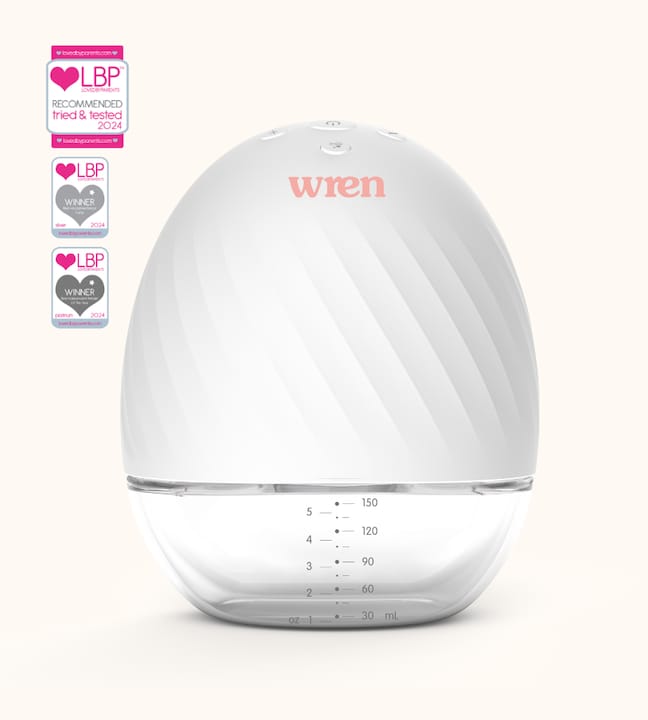
During the comfort-pumping phase of weaning, a discreet, easy-to-use pump makes short sessions far less disruptive. My-wren’s hands-free double electric breast pump is designed for exactly this kind of flexible use: wearable, quiet, and adjustable so you can pump at the lowest comfortable level without interrupting your day.
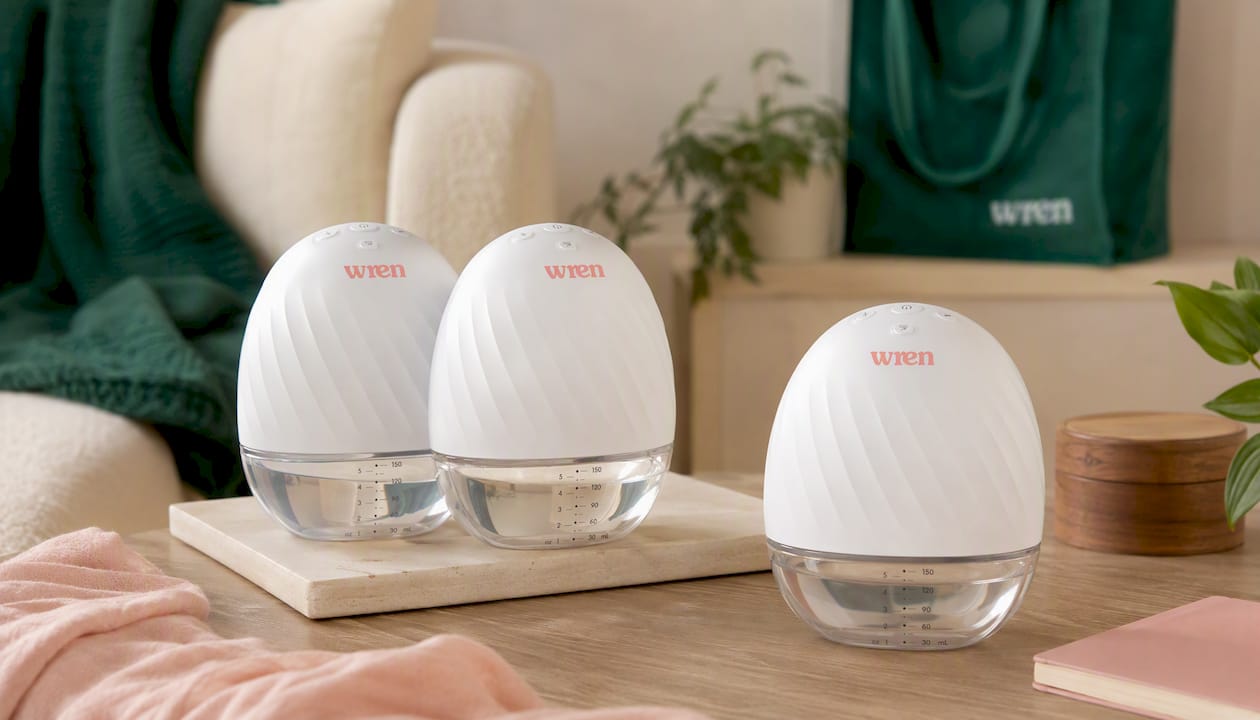
For mothers who only need a single-side solution during the final stages of tapering, the hands-free electric breast pump offers the same discreet, adjustable performance in a compact format. Both pumps are optional aids during weaning, not medical devices, and do not replace NHS or GP advice. If you are also looking at postpartum self-care more broadly, postpartum recovery guidance covers general wellbeing steps that complement the weaning process.
Browse the full range at My-wren breast pumps and find the option that fits where you are in your weaning plan.
Sources
- Mastitis — NHS
- Weaning from the pump — KellyMom
- How to stop pumping: 7 steps to wean safely — MomLovesBest
This article is general information, not a substitute for advice from a qualified doctor. Consult a qualified healthcare professional about your own circumstances before acting on anything here.


