


Pumping hurts: causes, relief, and prevention guide


Pumping breast milk should not be painful. If it is, the most common culprits are an incorrectly sized flange or suction set too high. Both are fixable within minutes. Lowering the suction, checking that your nipple moves freely inside the flange tunnel without rubbing the sides, and applying a small amount of purified lanolin before each session will relieve most pumping pain quickly. Pain also triggers stress hormones that suppress the milk let-down reflex, so addressing discomfort is not just about comfort; it directly affects how much milk you express.
Quick fixes to apply right now:
- Lower suction to the highest comfortable level, not the highest tolerable one
- Check that your nipple moves freely in the flange tunnel with minimal areola pulled in
- Apply purified lanolin or a few drops of expressed milk to lubricate the nipple before pumping
- Stop the session if pain persists beyond two minutes
- Try a different flange size if the nipple rubs the tunnel walls or the areola is pulled in excessively
- Contact a lactation consultant if pain continues after making these adjustments
Table of Contents
- What counts as normal discomfort, and when should you seek help?
- Why does pumping hurt? The main causes explained
- How to care for your breasts and nipples during pumping
- Correct pump use and choosing the right flange size
- Engorgement, plugged ducts, and mastitis: what they do to pumping pain
- What UK breastfeeding authorities say about pumping pain
- Caring for sore or injured nipples between sessions
- Prevention tips and practical remedies for pumping discomfort
- How suction levels and session duration affect pain
- Why pump hygiene prevents pain and infection
- Choosing a breast pump model that prioritises comfort
- How pumping frequency and timing affect pain and milk supply
- My-wren supports comfortable, confident expressing
- Key takeaways
What counts as normal discomfort, and when should you seek help?
A brief sensation during the first 10–15 seconds of a pumping session is normal. This is collagen fibres in the nipple stretching as suction begins. Mild tenderness in the early days of pumping is also common as your body adjusts.
What is not normal is pain that lasts more than two minutes or continues after the session ends. Persistent soreness, nipple blanching, or a burning sensation between sessions all indicate an underlying problem that needs attention.
Symptoms that require prompt medical consultation:
- Fever or flu-like symptoms alongside breast pain
- Yellowish or unusual discharge from the nipple
- A hard, red, or warm area on the breast that does not improve within 24–48 hours
- Cracked, bleeding, or severely blistered nipples
- Pain that does not improve after correcting flange fit and suction
The NHS advises contacting your GP or midwife if mastitis symptoms do not improve within 24–48 hours, as antibiotics are often required.
Why does pumping hurt? The main causes explained
The two most common causes of pumping pain are a poorly fitting flange and excessive suction. Everything else tends to be secondary to one of these two factors.
An improperly fitting flange causes the nipple to rub against the tunnel walls or pulls too much areola tissue into the funnel. Both create friction and bruising. Flanges that are too small compress the nipple; flanges that are too large draw in surrounding tissue unnecessarily.
High suction settings do not produce more milk. They injure nipple tissue and release stress hormones that actively inhibit the milk ejection reflex, reducing output despite the stronger pull.
Less common but significant causes:
- Blebs (milk blisters): a small white spot on the nipple tip that blocks a duct opening, causing sharp localised pain
- Raynaud’s vasospasm: nipple blanching followed by burning pain, triggered by temperature change or pressure
- Mastitis or a blocked duct: localised heat, swelling, or a hard lump alongside pumping pain
- Nipple expansion mid-session: nipples often swell during pumping, turning a correctly sized flange into one that is too small partway through
- Poor pump quality or worn parts: degraded membranes or valves reduce suction consistency and can cause uneven, painful pressure
How to care for your breasts and nipples during pumping
Good breast and nipple care prevents most pumping-related soreness before it starts. Proper hygiene, lubrication, and compress techniques are the three pillars of a comfortable pumping routine.
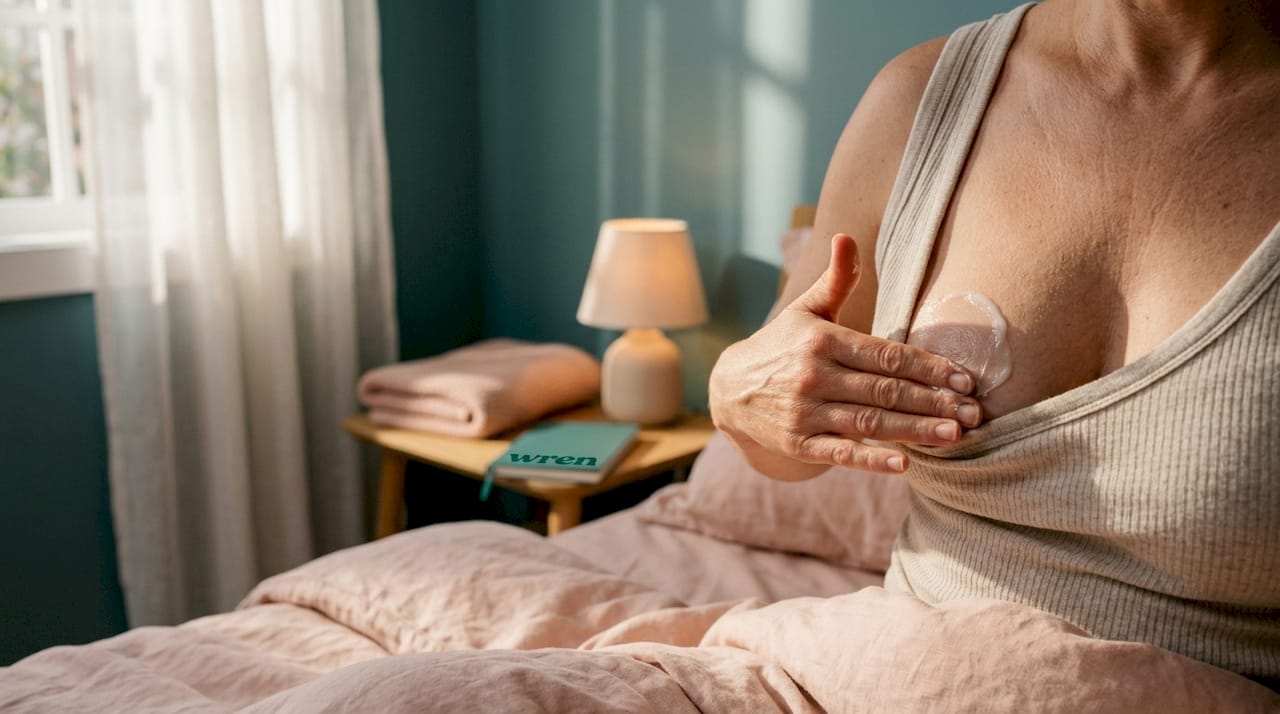
Lubricate the nipple and areola with purified lanolin or a few drops of expressed breast milk before every session to support breast skin health during postpartum care (Why Am I Losing Hair After Pregnancy? – CRISAN Beauty). This reduces friction inside the flange tunnel significantly. My-wren’s nipple balm is formulated specifically for this purpose and is safe for your baby without needing to be wiped off before feeding.
Practical care steps:
- Sterilise all pump parts that contact milk after every use
- Apply a warm compress for 2–3 minutes before pumping to encourage let-down
- Use a cold pack or chilled gel pad after pumping to reduce swelling and tenderness
- Gently massage the breast in circular motions toward the nipple during a session to aid milk flow
- Take ibuprofen if soreness is significant, as it also reduces inflammation (check with your GP if you have any concerns)
- Air-dry nipples after pumping before covering them
Pro Tip: Reusable breast pads worn between sessions can trap moisture against the nipple and worsen soreness. Choose breathable, moisture-wicking pads and change them frequently.
Correct pump use and choosing the right flange size
Flange fit is the single most controllable variable in pumping comfort. Measuring your nipple base diameter in millimetres before your first session gives a more reliable baseline than relying on manufacturer sizing charts alone. Most people need a flange that is approximately 2–4mm larger than their nipple diameter to allow free movement without excess areola being drawn in.
Because nipples expand during pumping, a flange that fits well at the start of a session may become too small by the midpoint. Check the fit at around five minutes in, not just at the beginning.
Key points for correct pump use:
- Measure each breast separately; asymmetry is common and you may need different sizes for each side
- Set suction at the highest comfortable level, not the highest you can tolerate
- Never exceed the manufacturer’s recommended session duration
- Follow the manufacturer’s instructions for assembly and settings; incorrect assembly changes suction dynamics
- Replace membranes and valves every 4–8 weeks or sooner if suction feels inconsistent
My-wren’s flange sizing guide walks through the measurement process step by step for parents using a wearable pump.
Pro Tip: Pause mid-session and look at your nipple inside the tunnel. If it is touching the sides or the areola is being pulled in more than 2–3mm, switch to a larger flange before continuing.
Engorgement, plugged ducts, and mastitis: what they do to pumping pain
These three conditions are distinct but all make pumping significantly more painful if left unaddressed. Recognising which one you are dealing with determines the right response.
Engorgement occurs when the breasts are not emptied frequently enough. The result is overfull, hard, and tender breasts where the nipple can flatten, making flange attachment difficult. Pumping more frequently, not less, is the remedy. A warm compress before the session softens the tissue and helps the nipple protrude.
Plugged ducts produce a firm, tender lump in one area of the breast. Milk flow from that area slows or stops. Warm compresses, gentle massage over the lump during pumping, and increased pumping frequency usually clear a plug within 24–48 hours. If the lump does not resolve or you develop a fever, seek medical advice promptly.
Mastitis is a breast infection requiring antibiotics in most cases. Symptoms include a red, hot, swollen area of the breast, fever, and flu-like aching. Continuing to pump or breastfeed is generally recommended to keep milk moving, but you need to see a GP rather than manage it at home alone.
What UK breastfeeding authorities say about pumping pain
Research shows that around 27% of mothers find pumping uncomfortable and 15% sustain a pump-related injury. These figures make pumping pain one of the most common reasons parents stop expressing earlier than they intended.
La Leche League UK is clear that a flange must be completely comfortable, not merely tolerable. The organisation notes that different flange sizes between breasts are common and that sizing needs can change over time as breast tissue changes postpartum.
Key expert guidance for UK parents:
- Flange comfort is non-negotiable; tolerating discomfort is not an acceptable baseline
- Flange size may need to change as nipple tissue changes in the weeks after birth
- High suction is counterproductive: the stress hormones released compress milk ducts and reduce flow
- Reassess flange fit mid-session at every pumping session, not just when pain occurs
- Hand expression is a clinically recognised, pain-free alternative when nipple damage makes pumping intolerable
Statistic callout: Around 27% of mothers report pumping discomfort and 15% sustain a pump-related injury, making flange fit and suction management the two most impactful adjustments any parent can make.
Caring for sore or injured nipples between sessions
Sore or cracked nipples need active care between pumping sessions, not just during them. Leaving damaged skin exposed or covered with non-breathable fabric slows healing and increases infection risk.
After each session, rinse nipples with clean water and pat dry gently. Apply a thin layer of purified lanolin or a medical-grade nipple balm immediately while the skin is still slightly damp, as this seals in moisture more effectively. Silicone nipple protectors worn between sessions create a barrier that prevents clothing friction against raw skin.
If a nipple develops a crack that bleeds, pause pumping on that side if possible and switch to hand expression until the skin begins to heal. The NHS guidance on sore nipples recommends seeking advice from a midwife or health visitor if cracks are deep or show signs of infection. Postpartum hormonal changes can also affect skin resilience; supporting overall skin health during this period matters more than many parents realise.
Prevention tips and practical remedies for pumping discomfort
Most pumping pain is preventable with consistent habits rather than reactive fixes. The parents who report the most comfortable pumping experiences tend to have established a routine around fit, lubrication, and session timing from the outset.
Prevention checklist:
- Measure nipple diameter before your first session and recheck every two weeks in the early postpartum period
- Lubricate the nipple before every session without exception
- Start each session on the lowest suction setting and increase gradually until milk flows, then stop increasing
- Keep sessions to the manufacturer’s recommended duration; longer sessions do not produce more milk and increase tissue fatigue
- Sterilise pump parts after every use and replace worn components on schedule
- See a lactation consultant at the first sign of persistent pain rather than waiting to see if it resolves
When soreness does occur, a cold gel pad applied for 10–15 minutes after pumping reduces inflammation quickly. Warm compresses before the session, cold after: this sequence works consistently for most types of pumping-related breast tenderness.
How suction levels and session duration affect pain
Suction level is the variable most parents get wrong, almost always by setting it too high. High suction injures nipple tissue and triggers stress hormones that compress milk ducts, reducing flow. The result is more pain and less milk, the opposite of what higher suction is supposed to achieve.

The correct approach is to find the maximum comfortable suction level and stay just below it. Many pumps offer a “stimulation” or “let-down” mode that uses faster, lighter cycles to initiate flow before switching to a slower, deeper expression cycle. Using this sequence mimics a baby’s natural feeding pattern and tends to produce better let-down with less discomfort.
Session duration also matters. Pumping for longer than necessary does not increase output once the breast is effectively emptied; it simply subjects nipple tissue to prolonged friction and suction. Most effective sessions last 15–20 minutes per side. If milk stops flowing well before that point, ending the session early is the right call.
Why pump hygiene prevents pain and infection
Dirty pump parts are a direct route to nipple infections and mastitis. Milk residue left in valves, membranes, or tubing creates a breeding environment for bacteria that then contacts broken or sensitive nipple skin at the next session.
My-wren’s guide on cleaning and sterilising your pump covers the full process, but the core rule is straightforward: wash all milk-contact parts in hot soapy water after every use, then sterilise once daily. Parts that look clean can still harbour bacteria in small crevices around valve edges.
Replace membranes and valves regularly. Worn membranes lose their seal, creating inconsistent suction that causes the pump to work harder and pull unevenly on nipple tissue. If suction feels weaker than usual or less consistent, check the membranes first before assuming the pump motor has a problem.
Choosing a breast pump model that prioritises comfort
Not all pumps are equal in terms of comfort. The key features to look for are adjustable suction with fine-grained control, a let-down mode, and a range of flange sizes included or available separately.
Wearable electric pumps offer a practical advantage for comfort: because they sit inside a bra rather than requiring you to hold a bottle or shield in place, there is less opportunity for the flange to shift position during a session. A flange that moves mid-session creates uneven suction and friction. My-wren’s wearable pump is designed with this in mind, keeping the flange stable and the suction consistent throughout.
When comparing pump models, prioritise:
- Multiple suction levels with a dedicated let-down mode
- Flange sizes available in at least three increments
- Quiet motor (noise-related stress can inhibit let-down)
- Easy disassembly for thorough cleaning
How pumping frequency and timing affect pain and milk supply
Pumping too infrequently leads to engorgement, which makes the next session more painful and harder to manage. Pumping too frequently without adequate recovery time can cause nipple tissue fatigue and soreness. The right frequency depends on your individual supply and feeding pattern, but most parents expressing exclusively aim for 8–10 sessions per 24 hours in the early weeks.
Timing sessions to align with natural let-down cues, such as when you would normally feed, tends to produce better flow with less effort. Pumping when the breast is already primed reduces the suction needed to initiate flow, which in turn reduces nipple stress. If you are combining pumping with direct feeding, pump within 30–60 minutes after a feed rather than immediately before one, so the breast has had time to partially refill.
Overnight sessions matter more than many parents expect. Prolactin levels, the hormone that drives milk production, peak between 2AM and 6AM. Skipping overnight pumping sessions consistently can reduce overall supply, which then leads to engorgement during the day and the cycle of pain that follows.
My-wren supports comfortable, confident expressing
Persistent pumping pain is one of the most common reasons parents stop expressing sooner than they planned. My-wren is built around the principle that expressing should fit your life without discomfort getting in the way.
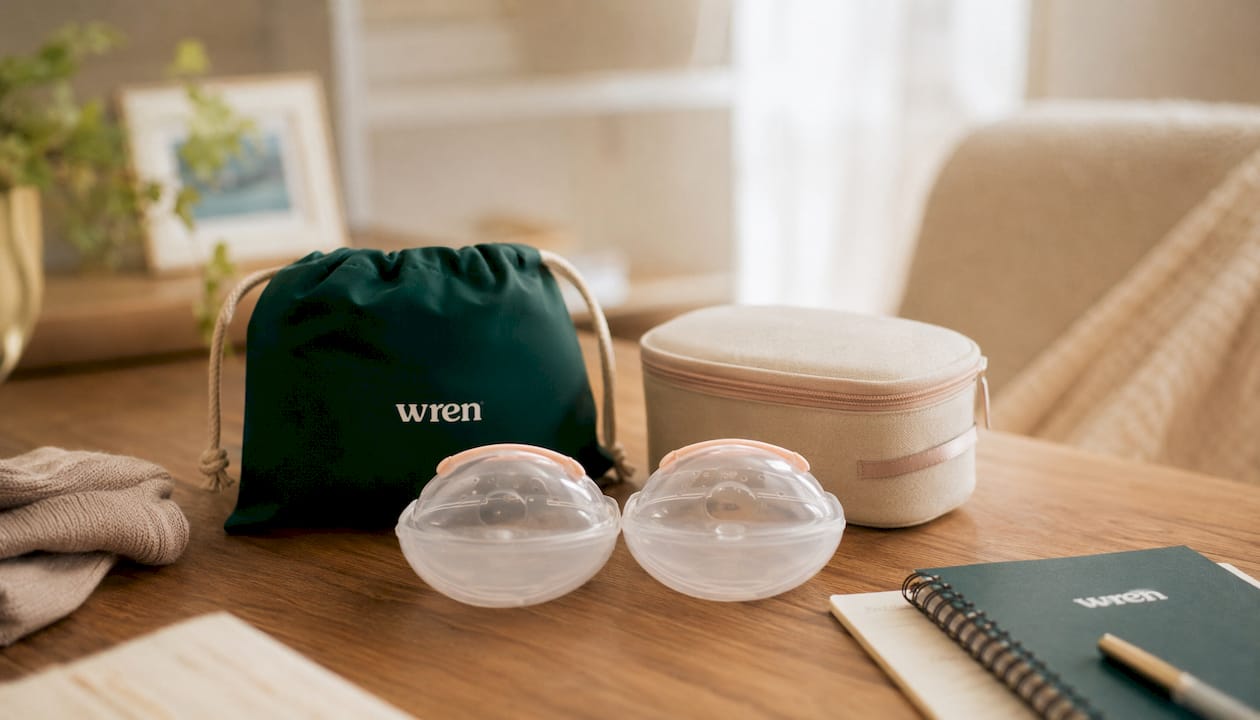
My-wren’s wearable breast pump combines precise suction control with a hands-free design that keeps the flange stable throughout each session, reducing the friction and positional shifts that cause pain. The pump comes with multiple flange sizes, and the sizing guide makes it straightforward to find the right fit from the first session. Alongside the pump, My-wren’s Nipple Bubble provides targeted nipple protection and nourishment between sessions, helping sore or sensitive skin recover faster. Browse the full range at my-wren.com and find the products that make your pumping routine more comfortable from day one.
Key takeaways
Pumping pain is almost always caused by an incorrect flange fit or excessive suction, and both can be corrected quickly to restore comfort and protect milk supply.
| Point | Details |
|---|---|
| Flange fit is the priority | Measure nipple diameter in millimetres and recheck fit mid-session as nipples expand during pumping. |
| High suction reduces milk output | Stress hormones released by pain compress milk ducts and inhibit let-down, making high suction counterproductive. |
| A significant number of mothers report discomfort | Around 27% find pumping uncomfortable and 15% sustain a pump-related injury, making early correction critical. |
| Hygiene prevents infection | Wash milk-contact parts after every use and replace membranes every 4–8 weeks to avoid bacteria build-up. |
| My-wren for comfortable expressing | My-wren’s wearable pump and Nipple Bubble are designed to reduce friction, stabilise flange position, and support nipple recovery. |


