


Breastfeeding Mothers: 5 Nipple Balm Ingredients to Check for Safe Feeding


Nipple balms are built from five main ingredient classes: lanolin, plant oils, butters, waxes, and in some formulas, petrolatum or mineral oil. Highly purified lanolin (HPA) has decades of clinical use behind it and suits most mothers unless there’s a wool allergy, while plant-based blends offer a solid lanolin-free option. Before buying, check two things: any known allergies you have, and whether the label confirms the product is safe to leave on before feeding.
TL;DR:
- Highly purified lanolin (HPA) is safe and effective for most mothers unless they have a wool allergy, and it provides a strong moisture barrier.
- Plant oils, butters, and waxes offer alternative benefits such as skin nourishment and balm stability, with some formulations catering to vegan preferences.
- Evidence for lanolin’s superiority is mixed, and choosing a product depends more on purity, formulation quality, and personal allergies than raw ingredients.
- Read labels carefully for HPA certification, fragrance-free options, and products marked as NICU-safe to ensure low allergenic risk and safety during feeding.
- For mild dryness, lighter oil-and-butter blends are sufficient, but cracked or bleeding nipples may require heavier, occlusive, and well-purified products.
Table of Contents
- What do lanolin, oils, butters and waxes actually do?
- Does the evidence actually support lanolin?
- How do you actually choose a nipple balm?
- How should you apply nipple balm safely day to day?
- Are breastmilk or DIY blends decent alternatives?
- Why ingredient purity matters more than the marketing
- Where to find Wren’s nipple care essentials
- Sources
- FAQ
What do lanolin, oils, butters and waxes actually do?
Every nipple balm formulation leans on a small set of raw materials, and each one earns its place in the tube for a different reason.
Lanolin is a waxy substance secreted by sheep to protect their wool, and it’s been the backbone of nipple care for generations. The version worth looking for is highly purified lanolin, often labelled HPA. During purification, manufacturers strip out free lanolin alcohols and pesticide residues that can trigger reactions, and testing shows some HPA products bring these residues down to non-detectable levels, according to LactMed’s review of lanolin. Once refined this way, lanolin becomes strongly occlusive. It sits on the skin’s surface and locks moisture in rather than being absorbed, which supports the barrier while damaged tissue heals.
Plant oils show up constantly on ingredient lists: olive, sunflower, grape seed and coconut are the regulars. Olive and sunflower oils carry antioxidants that support skin condition, sunflower in particular is prized for a lighter, faster-absorbing feel, and coconut oil brings a similar softness with a more noticeable scent. The trade-off is that oils alone are thinner and less occlusive than lanolin or petrolatum, so they can feel greasy without doing as much heavy lifting on genuinely cracked skin. Stronger-scented oils occasionally irritate sensitive skin.
Butters, chiefly shea and cocoa, sit somewhere between oils and waxes in texture. Shea butter, drawn from the nut of Vitellaria paradoxa, is rich in fatty acids that support the skin’s barrier and hold moisture at the surface, which is why it’s a mainstay of topical skincare far beyond baby care, as botanical references on shea confirm. Cocoa butter behaves similarly but firms up harder at room temperature, giving balms more structure.
Waxes, usually beeswax or candelilla (the vegan alternative), aren’t there for moisture at all. Their job is texture and staying power. Wax thickens a balm so it clings to the nipple rather than sliding off onto clothing, and it slows down how quickly the other ingredients evaporate or rub away.
Petrolatum and mineral oil occasionally appear, most often in older or pharmacy-style formulas, and they’re arguably the strongest occlusive of the lot. They’re derived from refined petroleum rather than plants or animals, which is exactly why some parents avoid them on principle even though dermatology has generally found them safe when properly refined. Skin barrier repair depends on exactly this kind of occlusive layer holding moisture against damaged tissue, a mechanism well established in general dermatology literature.
Common formulations combine several of these categories rather than relying on one:
- Lanolin-based: HPA lanolin alone, or blended with a light oil for spreadability.
- Botanical blends: olive or sunflower oil, shea or cocoa butter, beeswax and sometimes calendula.
- Occlusive-heavy: petrolatum or mineral oil for maximum barrier protection.
- Hybrid natural: coconut oil, candelilla wax and shea butter for a fully plant-based, vegan option.
Does the evidence actually support lanolin?
The research is genuinely mixed, and any balm claiming to be clinically superior deserves a raised eyebrow. Trials and meta-analyses reviewed through LactMed show that some studies find highly purified lanolin reduces nipple pain and trauma scores over a seven-day period, while other trials find expressed breastmilk, or no treatment at all, works just as well. Evidence quality varies considerably between studies, and clinical summaries note that patient preference, whether that’s an allergy or a wish to avoid animal-derived ingredients, often ends up guiding the choice more than the data does.
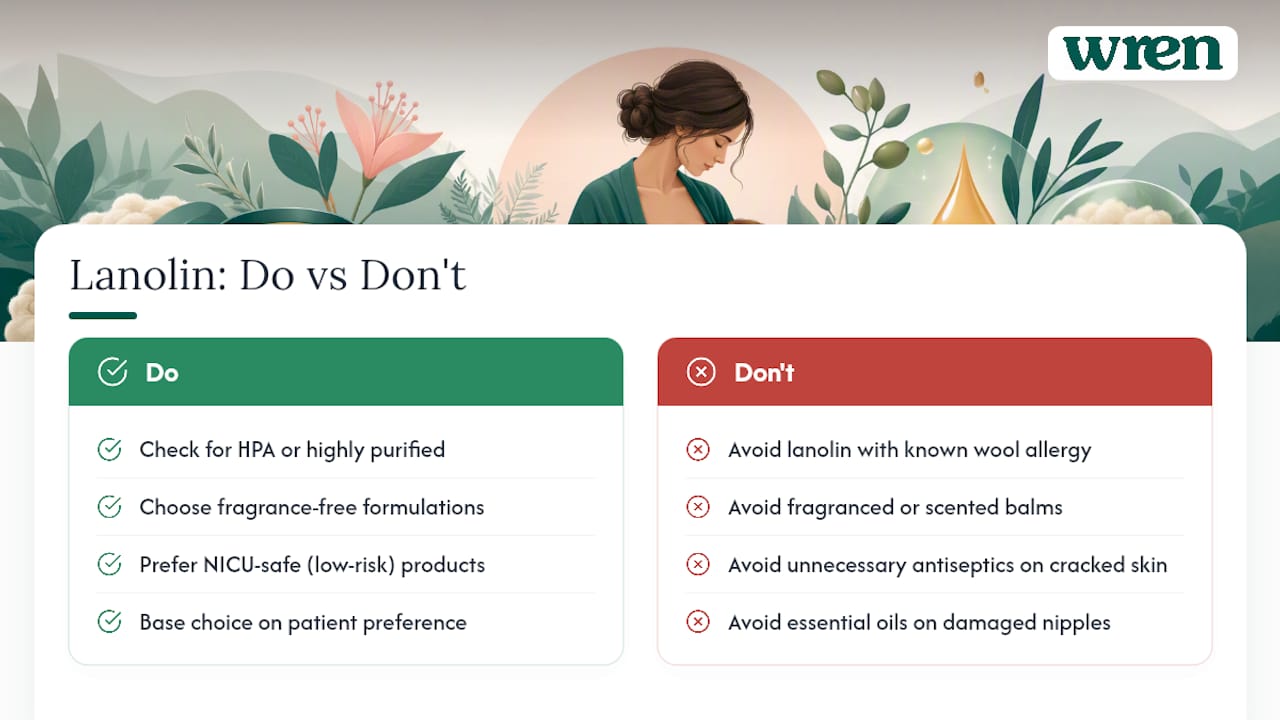
Lanolin allergy check: because lanolin comes from sheep’s wool, anyone with a known wool sensitivity should avoid it entirely, even the highly purified version. A genuine allergic reaction typically shows as redness, itching or a rash that worsens with continued use, rather than settling down.
Beyond allergy risk, a handful of additives deserve real caution. Strong fragrances add nothing therapeutic and increase the odds of irritation on skin that’s already broken. Unnecessary antiseptics can disrupt the skin’s normal microbial balance without solving the underlying cracking. Essential oils, however natural they sound, are a recognised source of contact irritation and some carry no safety data for use on damaged nipple skin during feeding.
Look for these terms on the label as a shortcut through all of this: HPA or highly purified, which signals the lanolin has been processed to reduce allergens and residues; fragrance-free, which removes one of the most common irritants outright; and NICU-safe, a phrase originally used for products cleared for use around premature infants, which tends to indicate a stripped-back, low-risk formulation.
How do you actually choose a nipple balm?
Reading a label in the chemist aisle, or scrolling a product page at 2am with a newborn attached to you, doesn’t leave much room for research. Run through this quickly instead:
- Check the lanolin claim. If lanolin is the main ingredient, look specifically for “HPA” or “highly purified lanolin” rather than an unspecified lanolin blend.
- Scan for fragrance and taste. “Fragrance-free” and “no added taste” both matter, since your baby is putting their mouth on whatever’s left on the skin.
- Look for dermatologist testing. It doesn’t guarantee perfection, but it’s a meaningful filter against poorly formulated products.
- Decide on lanolin-free if it applies to you. Wool allergy, vegan preference, or simply a wish to avoid animal-derived ingredients are all valid reasons to pick a plant-based formula instead.
- Match texture to severity. Heavier, more occlusive balms suit visibly cracked or bleeding skin; lighter oil-and-butter blends are enough for mild dryness or early tenderness.
Pro Tip: Buy the smallest size available the first time you try a new balm. Nipple skin reacts fast, and you’ll know within a day or two whether a formula suits you, long before you’ve committed to a full-size tube.
How should you apply nipple balm safely day to day?
Most balms work best applied straight after a feed, while the skin is still slightly warm and receptive. A small amount is generally enough. Warm it between your fingers first, then smooth it over the nipple and areola rather than rubbing it in hard.
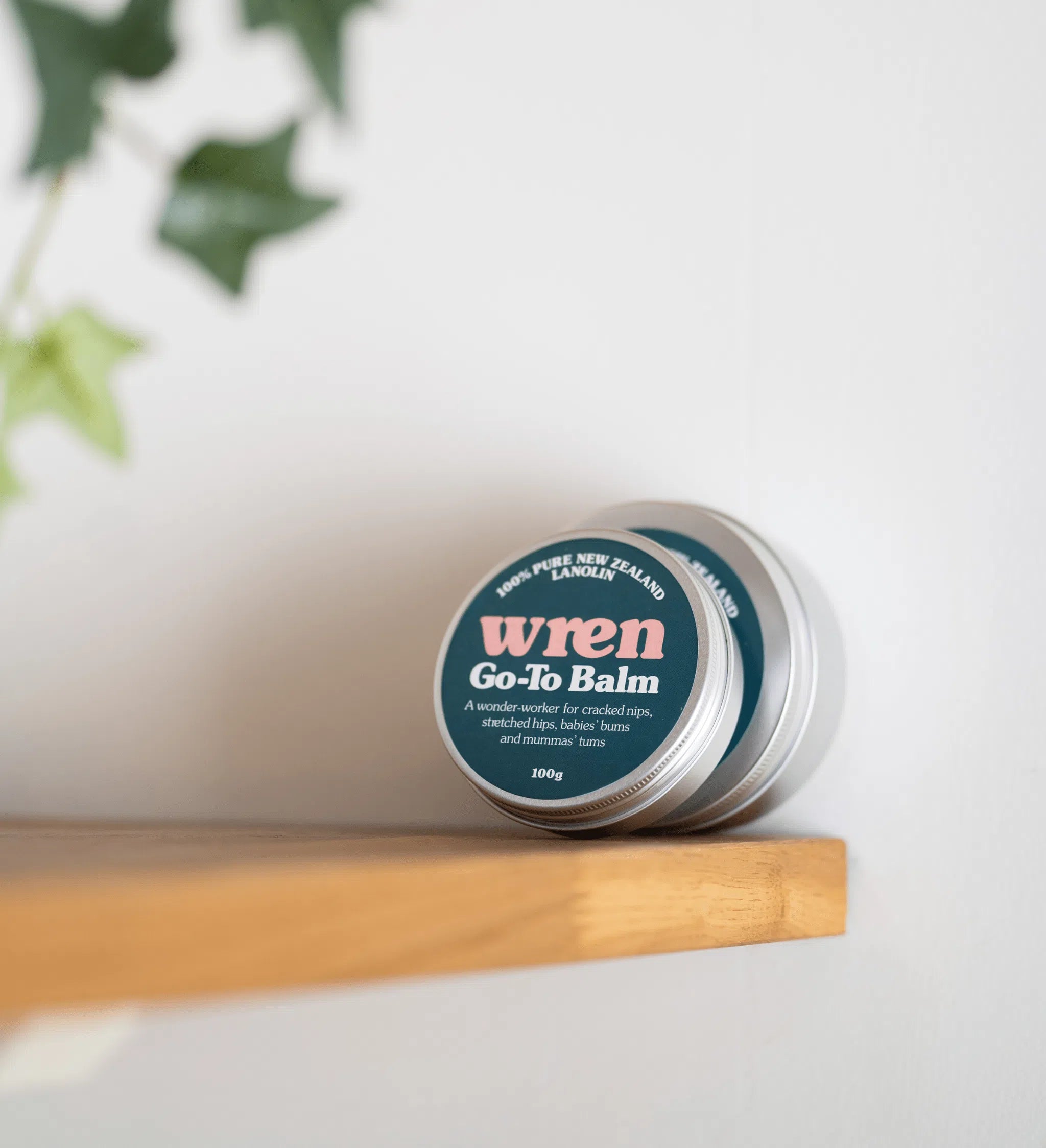
Whether to wipe balm off before the next feed depends entirely on the product. Many HPA lanolin and food-grade plant-based balms are formulated to be left on, since they’re considered safe for a baby to ingest in small amounts. If a product doesn’t explicitly say it’s safe to leave on, or if you notice a strong taste or residue, wipe gently with a warm cloth before latching.
A few situations call for more than balm alone:
- Pain that persists beyond the first couple of feeding weeks despite good positioning.
- Cracks that bleed or don’t show any sign of healing after several days of care.
- Fever, redness, or a hot, swollen area on the breast, which can point to mastitis or infection and needs a midwife or GP.
- Any jar or tub with visible contamination, a changed smell, or that’s past its expiry date.
Keep the lid closed between uses and avoid dipping fingers straight into a shared pot if you can help it. Cross-contamination in a communal jar is an easy, avoidable way to introduce bacteria onto already broken skin.
Are breastmilk or DIY blends decent alternatives?
Expressed breastmilk is one of the most studied alternatives to commercial balm, and it’s free, always available, and carries no allergy risk beyond the obvious. Reviews referenced by LactMed note it performs comparably to lanolin in several trials, though evidence strength varies by study. Simply express a few drops after a feed and let it air-dry on the nipple.
Hydrogel dressings are another clinically recognised option, typically reserved for more significant nipple trauma rather than routine dryness. They work like a wound dressing, cooling the area and keeping it moist while it heals, and they’re usually recommended by a midwife or lactation consultant rather than picked up casually.
If you’re tempted to mix something at home, a simple olive oil and shea butter blend is reasonable in principle, but a few cautions apply:
- Homemade blends have no preservative system, so they spoil faster than commercial products and need making in small batches.
- Never add essential oils or antiseptics to broken or bleeding skin without checking with a health professional first.
- Store any homemade mix in a clean, sealed container and bin it after a few days rather than risk contamination.
For further reading on when balm genuinely helps versus when it’s mostly reassurance, My-wren’s look at nipple balm effectiveness covers the evidence in more depth, and Baby Bare Essentials’ guidance on sensitive skin products is worth a read if allergies are a particular concern for you.
Why ingredient purity matters more than the marketing
Most of the debate around nipple balm gets stuck on lanolin versus everything else, and that framing misses the actual point. The evidence doesn’t crown one ingredient class the clear winner. It shows that purity, formulation quality and how a product fits your specific skin matter more than which raw material sits at the top of the ingredients list.
That’s the standard My-wren formulates against: high-purity ingredients, nothing added that doesn’t earn its place, and a texture that protects without leaving mothers second-guessing what’s transferring to their baby at the next feed. Every checklist item covered above, HPA purity, fragrance-free claims, dermatologist testing, is the same lens we apply before a formula ever reaches a jar.
— Paul
Where to find Wren’s nipple care essentials
If the ingredient checklist above has you ready to buy, the Wren Go-To Balm – Nipple Salve is built around highly purified lanolin, chosen specifically for its long track record of soothing sore, cracked skin without unnecessary additives.
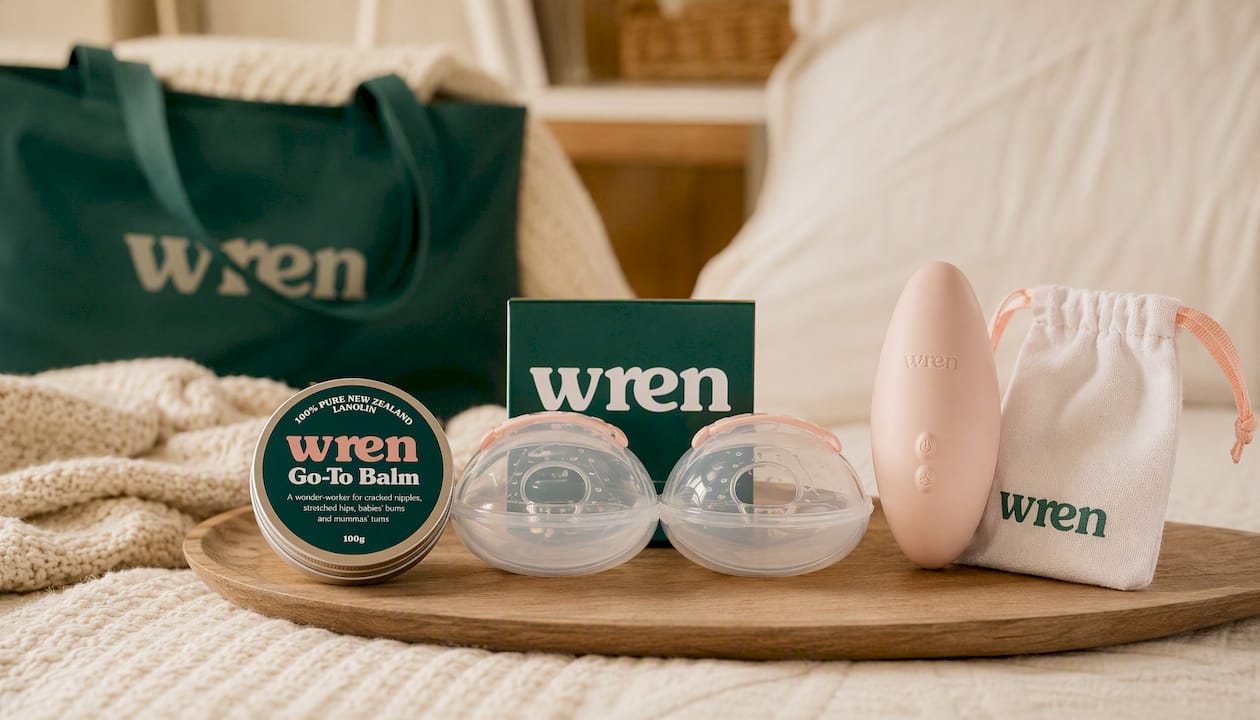
A balm is only half the routine. The Nipple Bubble with storage case and bag keeps your balm protected from contamination and mess when it’s rattling around a changing bag between feeds, and the Lactation Massager pairs well alongside balm for mothers managing engorgement or slow flow as part of a broader comfort routine. Browse the full range of breastfeeding accessories on the My-wren site, where every product page lists full ingredients and pricing in pounds sterling. If you’re building out a fuller kit rather than buying piece by piece, the breastfeeding kits bundle balm, storage and comfort essentials together in one order.
This article is general information, not a substitute for advice from a qualified doctor. Consult a qualified healthcare professional about your own circumstances before acting on anything here.
Sources
FAQ
Is lanolin good or bad for nipples?
Highly purified lanolin (HPA) is generally considered safe and effective for most breastfeeding mothers, with a long clinical history, though trial evidence is mixed compared with breastmilk or no treatment. It should be avoided entirely by anyone with a known wool allergy.
Is nipple balm the same as vaseline?
No. Vaseline is pure petrolatum, a strong occlusive with no added moisturising oils or butters, while most nipple balms combine lanolin, plant oils, butters and waxes for a more rounded barrier and healing effect.
What can I use instead of nipple balm?
Expressed breastmilk is a well-studied, cost-free alternative that performs comparably to lanolin in several trials, and hydrogel dressings are used clinically for more significant nipple trauma. Plant-based balms using shea butter, sunflower oil and beeswax are also a solid lanolin-free option, such as the formulations discussed in My-wren’s nipple balm effectiveness guide.
Why avoid lanolin?
The main reason to avoid lanolin is a wool allergy, since it’s derived from sheep’s wool and even highly purified versions carry trace allergens. Some mothers also avoid it for vegan or ethical reasons, in which case a plant-based balm is the more suitable choice.
How much does the Wren Go-To Balm cost?
Current pricing for the Wren Go-To Balm – Nipple Salve is listed on the product page at My-wren, quoted in pounds sterling.


