


Sore nipples breastfeeding: what to do right now


If your nipples hurt while breastfeeding, keep feeding on the affected side where it is safe to do so, but treat pain as a signal to check three things before the next feed: latch and positioning, pump flange fit and suction if you are expressing, and skin condition. Most tenderness eases within days once the cause is fixed. Pain that continues throughout a whole feed usually points to a shallow latch, not something wrong with your body.
Before the next feed, try this:
- Break the latch and reattach with a wider mouth, chin leading, nipple aimed towards the roof of the mouth
- If pumping, lower the suction and check the flange still fits, since nipples swell during a session
- Dab expressed breastmilk on clean, dry nipples and let them air dry
Up to 90% of breastfeeding parents feel some nipple tenderness, but pain at every feed is not something to push through. Seek same-day help if you see cracking, bleeding, fever, or pain that does not ease between feeds.
Key Takeaways
Sore nipples during breastfeeding are usually caused by a shallow latch or, for pump users, an ill-fitting flange or excessive suction, and both are correctable within days.
| Point | Details |
|---|---|
| Check the latch first | Pain lasting beyond 30 seconds or a flattened nipple after feeds points to a shallow latch. |
| Reassess flange fit mid-session | Nipples expand while pumping, so fit that felt right at the start can pinch later. |
| Lower suction, not effort | Comfortable suction levels remove milk just as effectively without triggering pain-related stress. |
| Watch for red flags | Cracking, bleeding, fever, or spreading redness need same-day midwife or GP review. |
| Support comfort with the right kit | Products like My-wren’s Breast Shield 25mm and Nipple Bubble ease friction while you fix the underlying cause. |
Table of Contents
- What causes sore nipples during breastfeeding and pumping?
- How to soothe sore nipples between and during feeds
- Fixing nipple pain while pumping
- Preventing sore nipples from coming back
- When sore nipples need professional help
- My-wren’s products for nipple comfort between feeds
- Sources
What causes sore nipples during breastfeeding and pumping?
A shallow latch causes most nipple pain. If it hurts for more than 30 seconds into a feed, or your nipple looks flattened, creased, or lipstick-shaped when it comes out of your baby’s mouth, the latch is too shallow. A correct latch draws a wide mouthful of breast tissue in, with the nipple resting against the soft palate rather than pinched at the front.
Pumping brings its own set of problems. Two issues dominate: the wrong flange size, and suction turned up too high on the assumption that more pressure means more milk. Neither is true, and pushing suction higher when it already hurts can even work against you by triggering pain-related stress that blocks let-down.
Other causes worth ruling out:
- Thrush (candida): burning pain that continues after feeds, with shiny or flaky nipple skin
- Milk blister (bleb): a small white or yellow spot on the nipple causing sharp pain when milk tries to pass
- Vasospasm or Raynaud’s: blanching, colour change, and throbbing pain between feeds
- Tongue-tie in the baby: shallow latch that resists correction despite good positioning
More than one of these often overlaps, which is why a fix that works for a friend does not always work for you.
How to soothe sore nipples between and during feeds
Air is often the simplest treatment available. Leaving nipples exposed after a feed, rather than sealing them inside a damp breast pad, lets skin recover faster.
- Express a little breastmilk and smooth it over the nipple after feeding; its natural properties support healing skin.
- Change breast pads as soon as they feel damp. Damp fabric against sore skin slows recovery and encourages thrush.
- Apply a pea-sized amount of ultrapure lanolin if the skin is cracked or dry. Skip it if you suspect thrush, since some formulations create the moist warmth candida favours.
- Use a cold gel pad for short spells to numb throbbing pain, especially after a difficult feed.
- Skip soap entirely. Water alone is enough; soap strips natural oils and worsens dryness.
Avoid sunlamps, hairdryers on heat, or aggressive rubbing to “toughen up” skin. None of these speed healing, and they often cause more damage.
Pro Tip: Keeping the wound slightly moist, rather than fully dry, helps skin repair faster. A tiny dab of expressed milk or a pea-sized amount of lanolin achieves this without leaving nipples sticky or sealed under a pad.
For ongoing protection between feeds, a breathable nipple cover stops clothing rubbing against broken skin while it heals.
Fixing nipple pain while pumping
Pain during pumping is not something to just accept as part of the process. Check your setup at the start of every session and again partway through, because nipples expand as they draw into the tunnel, and a flange that fit comfortably at minute one can start rubbing by minute ten.
- The nipple should move freely inside the tunnel, with no rubbing against the sides
- Start suction low and increase gradually, only until milk flows comfortably, never to the point of pain
- If it hurts for longer than the first two minutes, that discomfort will not fade on its own. Stop, reduce suction, or switch to hand expression
- Try a different flange size if the current one consistently pinches or leaves a ring mark
Lower suction rarely means less milk. Comfortable pumping usually removes milk just as effectively, since pain-driven stress can itself suppress the let-down reflex. If problems persist across several sessions, read through fuller pumping pain troubleshooting before assuming a new pump is needed.
Preventing sore nipples from coming back
Small daily habits do more to prevent recurring soreness than any single product. Varying your feeding position changes where pressure lands on the nipple, which matters when one spot is already tender.
- Alternate between laid-back, cross-cradle, and rugby-hold (football) positions across the day
- Choose soft, wire-free bras in breathable cotton rather than synthetic blends
- Change breast pads the moment they feel damp, and skip pads entirely at home when possible
- Reserve lanolin and gel pads for cracked or dry skin, not for thrush symptoms
- Replace pump valves and membranes on the manufacturer’s recommended schedule, since worn parts can affect suction consistency
A wider or narrower flange fitted correctly from the outset removes one of the most common causes of repeat soreness before it starts.
When sore nipples need professional help
Some signs mean home fixes are not enough and you need a proper assessment rather than another day of trial and error.
- Cracked or bleeding nipples that do not improve within a day or two of latch correction
- Fever, chills, or a red, hot, wedge-shaped area on the breast, which can indicate mastitis
- Pain that persists despite a good latch, which suggests thrush, tongue-tie, or vasospasm needs ruling out
- Visible lumps or a white spot that will not clear, worth showing to a midwife or health visitor
A midwife, health visitor, or IBCLC will typically watch a full feed, examine your nipples before and after, and ask about your baby’s mouth and tongue movement. Bringing a short feeding log, photos of the nipple immediately after a feed, and your usual pump settings speeds up the appointment considerably. Peer-reviewed evidence links untreated nipple pain to a higher risk of stopping breastfeeding earlier than planned, so getting seen promptly is worth prioritising over waiting it out.
My-wren’s products for nipple comfort between feeds
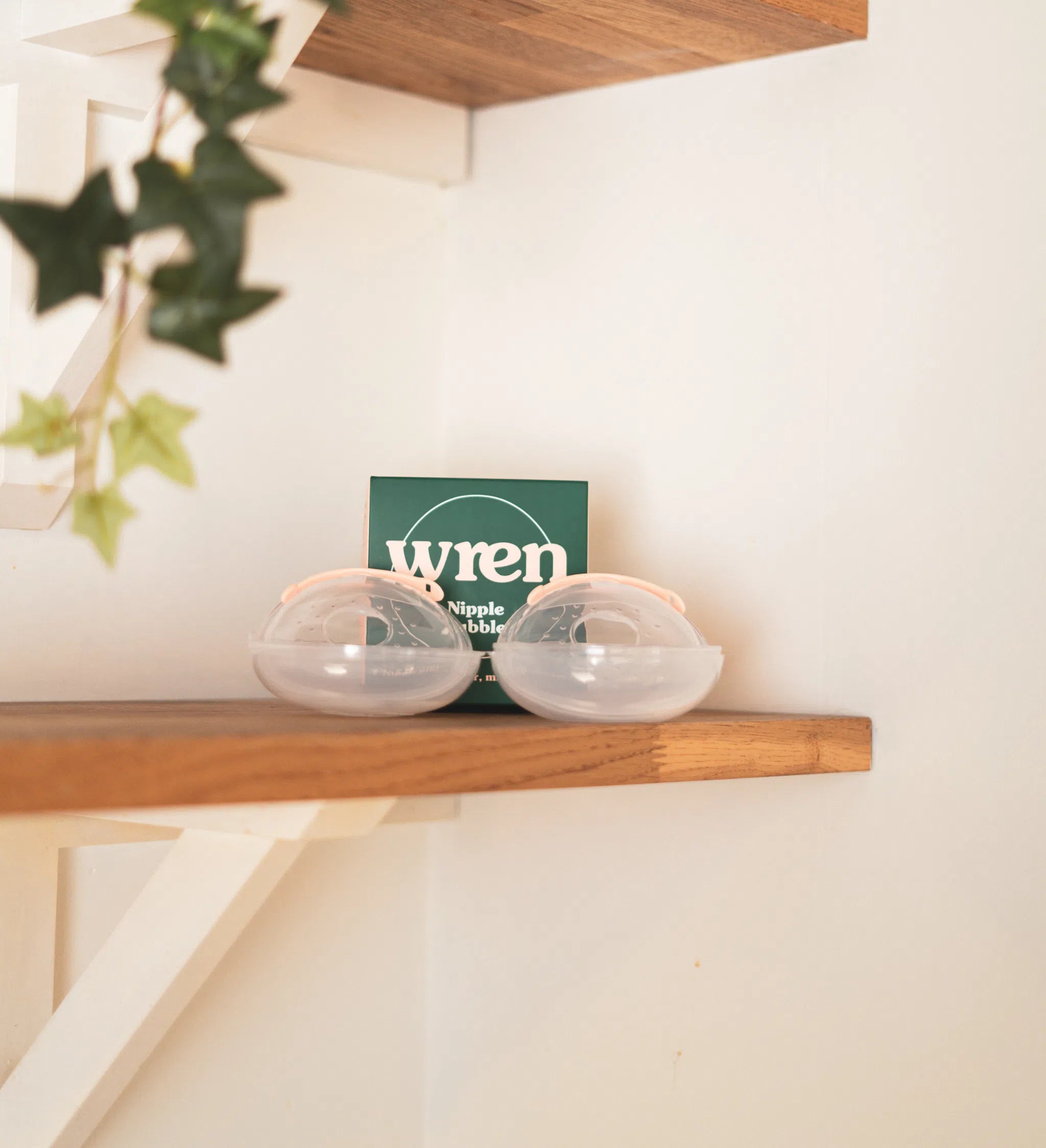
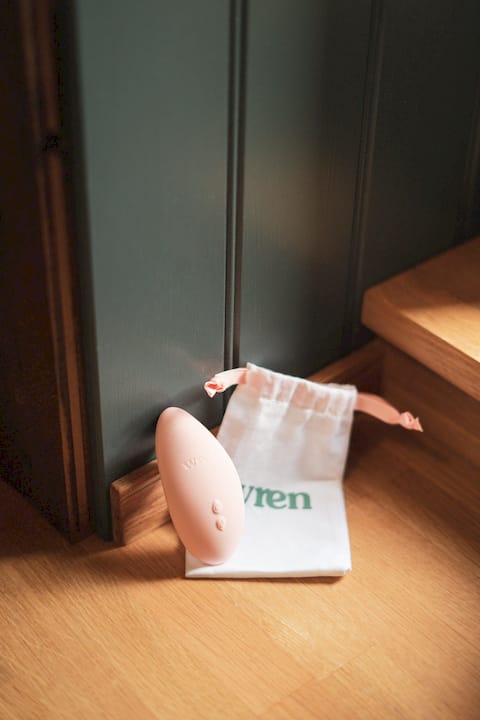
Products can support comfort, but none of them replace a latch check or a look at your pump fit. The Nipple Bubble comes with its own storage case and travel bag, keeping sore or healing nipples away from clothing and fabric friction between feeds. The Lactation Massager helps with the tightness and engorgement that often accompanies sore, overfull breasts, working alongside gentle hand expression rather than instead of it. The Breast Shield 25mm flange gives pump users a properly sized alternative when the standard flange included with most pumps is rubbing or pinching.
For more detail, My-wren’s blog covers nipple balm choices and milk blister care in depth. None of these replace an assessment from a midwife, health visitor, or IBCLC when pain persists or infection is suspected.
| Point | Details |
|---|---|
| Protective wear | The Nipple Bubble shields cracked or sensitive nipples from clothing between feeds. |
| Engorgement relief | The Lactation Massager eases tightness that often accompanies sore breasts. |
| Pump fit fix | The 25mm Breast Shield addresses one of the most common pumping pain causes: wrong flange size. |
Why sore nipples deserve quicker action than most parents give them
Nipple pain gets treated as an initiation rite, something you grit your teeth through until it passes. That expectation causes real harm, because pain that lasts more than a few days is nearly always fixable within a day or two once the actual cause is identified. The parents who struggle longest tend to be the ones who assume soreness is simply the cost of feeding, rather than a specific, correctable signal.
One thing that comes up repeatedly in feedback from parents using pumping equipment: comfort settings get sacrificed for speed. Slowing suction down and expecting the same output feels counterintuitive, yet it is usually the faster route to a pain-free session once let-down settles in.
If pain has lasted more than a couple of days despite trying the basics, that is the point to ask for a proper look, not the point to wait longer and hope it settles.
— Paul
Comfortable feeding starts with the right fit, not just the right advice
Getting a latch check right or finding the correct flange size makes the biggest difference to nipple pain, but the right equipment removes daily friction while you sort out the underlying cause. My-wren’s Breast Shield 25mm gives pumping parents a properly sized alternative when a standard flange is rubbing or pinching, without needing to replace the whole pump.
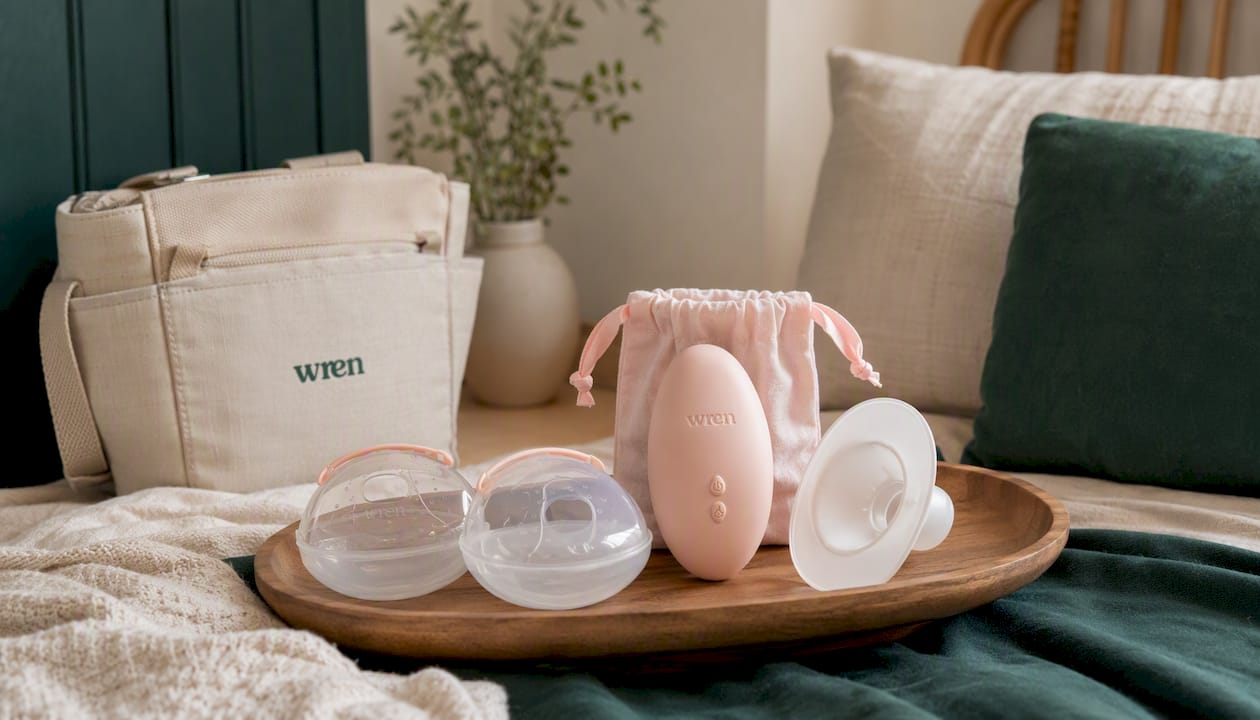
For nipples that are cracked, dry, or simply need protection from clothing between feeds, the Nipple Bubble keeps fabric off sensitive skin while it heals, and comes with its own case for easy carrying. If engorgement or tightness is adding to the discomfort, the Lactation Massager offers gentle relief alongside hand expression. Browse the full range of comfort essentials and pick the fit that matches what your body needs this week. If cracking, bleeding, fever, or persistent pain are part of the picture, see a midwife, health visitor, or IBCLC before relying on any product alone.
Sources
The NHS breastfeeding challenges guide covers latch technique and red flags. The peer-reviewed review on sore nipple treatment explains links to early weaning. La Leche League’s guidance supports continuing to feed while correcting the cause, and McGovern Medical School’s pumping tips detail flange and suction troubleshooting.
This article is general information, not a substitute for advice from a qualified doctor. Consult a qualified healthcare professional about your own circumstances before acting on anything here.
- Sore nipples - Breastfeeding - Best Start in Life
- Pain Reduction and Treatment of Sore Nipples in Nursing Mothers


