


Nipple shield use: a practical guide for breastfeeding mums


A nipple shield can help your baby latch when direct breastfeeding is not working, but it works best as a short-term aid used under professional guidance, not as a first response on day one. If your baby cannot latch right now, the clearest next step is to contact an IBCLC (International Board Certified Lactation Consultant), your NHS midwife, or a health visitor before or alongside starting a shield.
What to do right now:
- Hand-express a few drops of milk into the tip of the shield before placing it, so your baby gets an immediate taste.
- Centre the shield over your nipple, roll the brim onto your areola, and bring your baby chest-to-chest with a wide gape.
- Listen for audible swallowing within the first two minutes of feeding.
- Check the crown of the shield after the feed: visible milk is a positive sign of transfer.
- Book a lactation appointment within 24–48 hours if you are starting shield use for the first time.
Key takeaways
Nipple shields are a short-term clinical tool: effective in specific situations, safe when monitored, and most useful when paired with an active plan to return to direct breastfeeding.
| Point | Details |
|---|---|
| Use short-term with oversight | Shields work best as a temporary aid; involve an IBCLC or health visitor from the start. |
| Monitor transfer at every feed | Check for audible swallowing, milk in the crown, and at least six wet nappies per day from around day four. |
| Size and fit matter | Your nipple should move freely inside the crown; the brim must sit flush with no gaps. |
| Plan to wean early | Start removing the shield after let-down once feeding is established; most mothers aim for days to a few weeks. |
| My-wren supports expressing | If transfer is borderline, a hands-free breast pump helps protect supply while you work on direct latching. |
Table of Contents
- What a nipple shield is and how it helps milk transfer
- When a nipple shield may help you
- How to choose the right size and apply a shield correctly
- How to check that the shield is working
- Potential risks and limitations of nipple shields
- How to clean, sterilise, and store your shield
- How to wean off the shield and return to direct breastfeeding
- When to contact an IBCLC, midwife, health visitor, or GP
- What the evidence says about nipple shield use
- An editorial perspective on nipple shields
- Products to support you while using a nipple shield
- Sources
What a nipple shield is and how it helps milk transfer
A nipple shield is a thin, flexible cover, usually made from soft silicone, that fits over the nipple and areola during breastfeeding. It has small holes at the tip to allow milk to flow through. The shield creates an elongated, firm surface that some babies find easier to latch onto than a flat, soft nipple.
The mechanics are straightforward. When a baby latches onto the shield, the silicone draws the nipple forward into the crown of the device, extending its reach into the baby’s mouth. This can trigger the sucking reflex in babies who struggle to maintain suction on the breast alone. Milk passes through the holes in the tip as the baby sucks, and the brim of the shield rests on the areola to help maintain the seal.
Two main designs exist: a full-crown shield that covers the entire nipple and areola, and a cut-out or contact shield with a section removed to allow skin-to-skin contact. Fit matters considerably. A shield that is too large reduces stimulation; one that is too small can compress the nipple and restrict flow.
When a nipple shield may help you
Nipple shields are not appropriate for every breastfeeding difficulty. The situations below represent the most common, evidence-supported indications.
| Indication | Short-term use appropriate? | Notes |
|---|---|---|
| Flat or inverted nipples | Yes | Shield draws nipple forward; reassess as milk supply matures |
| Sore or damaged nipples | Yes, briefly | Address latch root cause simultaneously; see nipple balm for breastfeeding |
| Premature baby or weak suck | Yes, with close monitoring | Daily weight checks and diaper counts recommended |
| Bottle-to-breast transition | Yes | Shield mimics teat shape; wean as soon as baby accepts breast |
| Fast let-down or overactive supply | Sometimes | Shield may slow initial flow; not always effective |
| Engorgement making latch difficult | Short-term only | Express a little first; shield is not a substitute for treating engorgement |
| First 1–3 days (colostrum phase) | Generally not recommended | HSE guidance notes shields are usually more effective once mature milk has arrived |
Shields are not a substitute for correcting an underlying latch problem. Cleveland Clinic guidance is clear that shields work best after positioning and attachment techniques have already been tried, because prolonged use can mask the root cause and delay effective direct breastfeeding.
An IBCLC or health visitor should be involved before or at the point of starting a shield, particularly for premature infants or babies with a suspected tongue-tie.
How to choose the right size and apply a shield correctly
Choosing the right size
Nipple shield sizing is based on nipple diameter, not breast size. Nipple shields come in several sizes. A size commonly used is around 24mm; smaller sizes are often recommended for smaller nipples or premature infants. The fit test is simple: when the shield is on and your baby is latched, your nipple should move freely inside the crown without touching the tip at rest, and the brim should sit flush against your areola with no gaps.
Pro Tip: If your nipple is pressing against the tip of the crown before your baby even latches, the shield is too small. If the brim lifts away from your skin during feeding, it is too large.
Applying the shield step by step
- Wash your hands thoroughly with soap and water.
- Rinse the shield with clean water and shake off excess.
- Moisten the inside of the brim slightly, which helps it adhere to the skin.
- Partially invert the crown inward to create a dimple, then centre it over your nipple.
- Release the crown so it draws your nipple forward into the tip.
- Roll the brim down onto your areola, pressing gently to create a seal.
- Express a few drops of milk into the crown before latching your baby.
Clinical guidance from the East of England Neonatal Network recommends professional observation at the first application, particularly for neonates and premature babies.
Latching your baby with a shield
Tickle your baby’s upper lip with the tip of the shield to encourage a wide gape. When the mouth opens wide, bring your baby to the breast, not the breast to the baby. The lips should seal over the brim of the shield, not just the crown. Hold your breast away from the shield rim so the brim stays flat. Keep your baby chest-to-chest and chin-to-breast throughout the feed.
Children’s Minnesota guidance recommends checking for milk visible in the crown after the feed as a practical sign that transfer has occurred.
How to check that the shield is working
Visible signs during and after the feed are the most reliable indicators. Do not rely on how full or empty your breasts feel alone.
Primary signs to look for:
- Audible swallowing within the first two minutes, becoming rhythmic after let-down.
- A change from rapid, shallow sucks to slower, deeper draws once milk flows.
- Milk visible in the crown of the shield after the feed.
- Breasts that feel softer after feeding than before.
Secondary monitoring (nappy output and weight):
Nappy output is a practical, low-tech measure widely used in community practice when test-weighing is not available. From day four onwards, expect at least six wet nappies and two to three dirty nappies per 24 hours. Fewer than this warrants a call to your midwife or health visitor the same day.
Test-weighing, where you weigh your baby before and after a feed on the same calibrated scales without changing clothing, gives a direct measure of milk intake in grams. This is most useful for premature babies or when weight gain is a concern. Ask your health visitor or IBCLC to guide you through this if needed.
Steady weight gain is the clearest overall indicator. Most babies regain their birthweight by 10–14 days. If your baby is not on track, seek review promptly rather than adjusting the shield independently.
If transfer seems inadequate:
Express after feeds using a breast pump to remove residual milk and protect your supply. This is particularly relevant when pumping with a nipple shield during the early weeks, as some evidence suggests shields can reduce expressed volumes compared with pumping directly. A short expressing session of 10–15 minutes after each feed can help maintain stimulation while the shield is in use.
Potential risks and limitations of nipple shields
Nipple shields carry real risks when used without oversight. Understanding them helps you monitor for problems early.
Reduced nipple stimulation is the primary concern. The shield sits between your baby’s mouth and your skin, which can lower the sensory signal that drives prolactin release and milk production. Over days and weeks, this can contribute to a gradual reduction in supply, particularly if feeds are short or infrequent.
Dependency is a related risk. Some babies become accustomed to the firmer texture of the shield and refuse to latch directly onto the breast. This is more likely when shields are used from the very first feeds without an active plan to wean off them.
A small trial of 25 participants found that pumping without a shield yielded statistically significantly larger milk volumes than pumping with one, suggesting shields can reduce expressed volumes in some designs. This is worth bearing in mind if you are expressing to supplement feeds.
Poor fit causes its own problems. A shield that is too small can compress the nipple and restrict flow; one that is too large reduces stimulation further. Either can cause nipple pain, cracking, or bruising.
Modern thin silicone shields carry lower risk than the older, thicker rigid designs, but they still require monitoring. The Australian Breastfeeding Association notes that skilled follow-up is needed to avoid dependency and other risks even with current designs.
How to clean, sterilise, and store your shield
Clean the shield immediately after every feed. Leaving milk residue in the holes or crown creates a risk of bacterial growth.
Cleaning steps after each use: Rinse under cold water first to remove milk. Wash in hot, soapy water, forcing water through each hole in the tip. Rinse thoroughly and air dry on a clean surface. Store in a clean, covered container, not loose in a changing bag.
Sterilise the shield before first use and, for newborns or premature babies, before each use. Steam sterilisation (electric or microwave steriliser bags) and cold-water sterilising solutions are both suitable. Do not microwave the shield directly unless the manufacturer’s instructions explicitly state it is safe to do so; high, uneven heat can degrade silicone and distort the shape.
Replace the shield if you notice any of the following:
- Cracks or tears in the silicone.
- Clouding or discolouration that does not clear after washing.
- A persistent odour after thorough cleaning.
- Any distortion of the crown or brim shape.
Follow the manufacturer’s replacement guidance. Most shields are not designed for indefinite reuse. HSE guidance highlights cleaning and fit as key safety considerations alongside monitoring.
How to wean off the shield and return to direct breastfeeding
Plan to wean from the shield as soon as your baby demonstrates reliable attachment and consistent milk transfer. For many mothers, this is within days to a few weeks of starting. The goal is never long-term shield dependence.
- Start the feed with the shield in place. Once let-down occurs and your baby is feeding rhythmically, gently slide the shield off and offer the bare nipple. Many babies will continue feeding without noticing.
- Remove the shield partway through the feed. If step one works, try removing it earlier in subsequent feeds until your baby latches directly from the start.
- Offer the second breast without the shield. Babies are often more receptive after the initial hunger edge has gone.
- Use skin-to-skin contact before feeds. Skin-to-skin calms the baby and can improve latch readiness, making direct attachment more likely.
- Try early feeds when your baby is calm and drowsy. A very hungry, crying baby is harder to latch directly; catch the early hunger cues instead.
- Use expressed milk or paced bottle feeds during the transition if your baby needs supplementing, to avoid unnecessary formula introduction while you work on direct latching.
- If weaning stalls after repeated attempts, return to your IBCLC or health visitor and reassess. There may be an underlying issue, such as tongue-tie or a persistent latch problem, that needs addressing before the shield can be removed.
Cleveland Clinic recommends starting the feed with the shield and then attempting removal after let-down as the most practical first weaning step.
When to contact an IBCLC, midwife, health visitor, or GP
Some situations require professional review, not just closer monitoring at home.
Contact a health professional the same day if: your baby has fewer wet or dirty nappies than expected, is not feeding for at least 8–12 times in 24 hours, seems lethargic or difficult to rouse for feeds, or you notice no milk in the shield crown after multiple consecutive feeds.
Red flags that need prompt review:
- Baby losing weight or not regaining birthweight by 10–14 days.
- Breasts that remain full and hard after feeds over 24–48 hours.
- Nipple pain that is worsening rather than improving.
- No audible swallowing during feeds despite correct shield placement.
- Baby refusing both breast and shield.
UK support options:
- IBCLC: search the LCGB directory for a registered lactation consultant near you.
- NHS health visitor or midwife: contact your GP surgery or maternity unit.
- National Breastfeeding Helpline: 0300 100 0212, available seven days a week.
- Local breastfeeding support groups: La Leche League GB and the Breastfeeding Network both offer peer support and can refer to clinical help.
When you speak to a clinician, bring: how long you have been using the shield, your observations (swallowing, milk in crown), any pump output volumes, and weight or test-weigh data if you have it.
What the evidence says about nipple shield use
The evidence base for nipple shields is consistent in its broad conclusions, even if large randomised trials are limited.
A systematic review published in PMC concluded that shields can assist with attachment in selected cases but should be used short-term with monitoring because of potential risks to milk transfer. The same review noted that modern thin silicone shields carry lower risk than older rigid designs, though frequent assessment remains necessary.
Clinical practice guidelines from the East of England Neonatal Network recommend professional fitting, washing, and observation when a shield is started, with stepwise application instructions for clinical staff. This reflects the consensus that shields are not a self-managed tool for the first days postpartum.
On the question of milk transfer during pumping, a small trial of 25 participants found reduced expressed volumes when pumping with shields compared with pumping without them. This finding supports the recommendation to express directly without a shield when possible, and to use the shield only during breastfeeding itself.
The practical implication across all guidance is the same: shields can be effective short-term, but they require active monitoring of supply and weight, and an explicit weaning plan from the outset reduces the risk of dependency.
An editorial perspective on nipple shields
Nipple shields get a mixed reputation, and some of that is deserved. The concern is not the device itself but how it tends to be used: handed to a mother in a difficult moment, with little follow-up and no plan to stop. That pattern is where the risks accumulate.
The evidence does not say shields are harmful. It says they need oversight. The difference matters, because a mother who understands what to monitor and has a clear weaning goal is in a very different position from one who is simply told to “try a shield and see how it goes.”
What gets underestimated is how quickly dependency can develop, not because the shield is addictive in any clinical sense, but because it removes the pressure to solve the underlying latch problem. Once feeding becomes manageable with the shield, the urgency to address root causes fades. That is the real risk: not the silicone, but the delay.
The most useful thing any mother using a shield can do is treat it as a bridge with a visible end point, not a permanent solution. Set a review date. Count the nappies. Book the IBCLC appointment. The shield buys time; the work of direct breastfeeding still needs to happen.
Products to support you while using a nipple shield

When nipple shield use is part of your feeding plan, a few practical products can make the process more manageable. My-wren’s Hands-Free Double Electric Breast Pump is worth considering if you are expressing after feeds to protect your supply; it allows efficient double-pumping without being tethered to a chair. For mothers who prefer single-side expressing, the Hands-Free Electric Breast Pump offers the same wearable convenience.
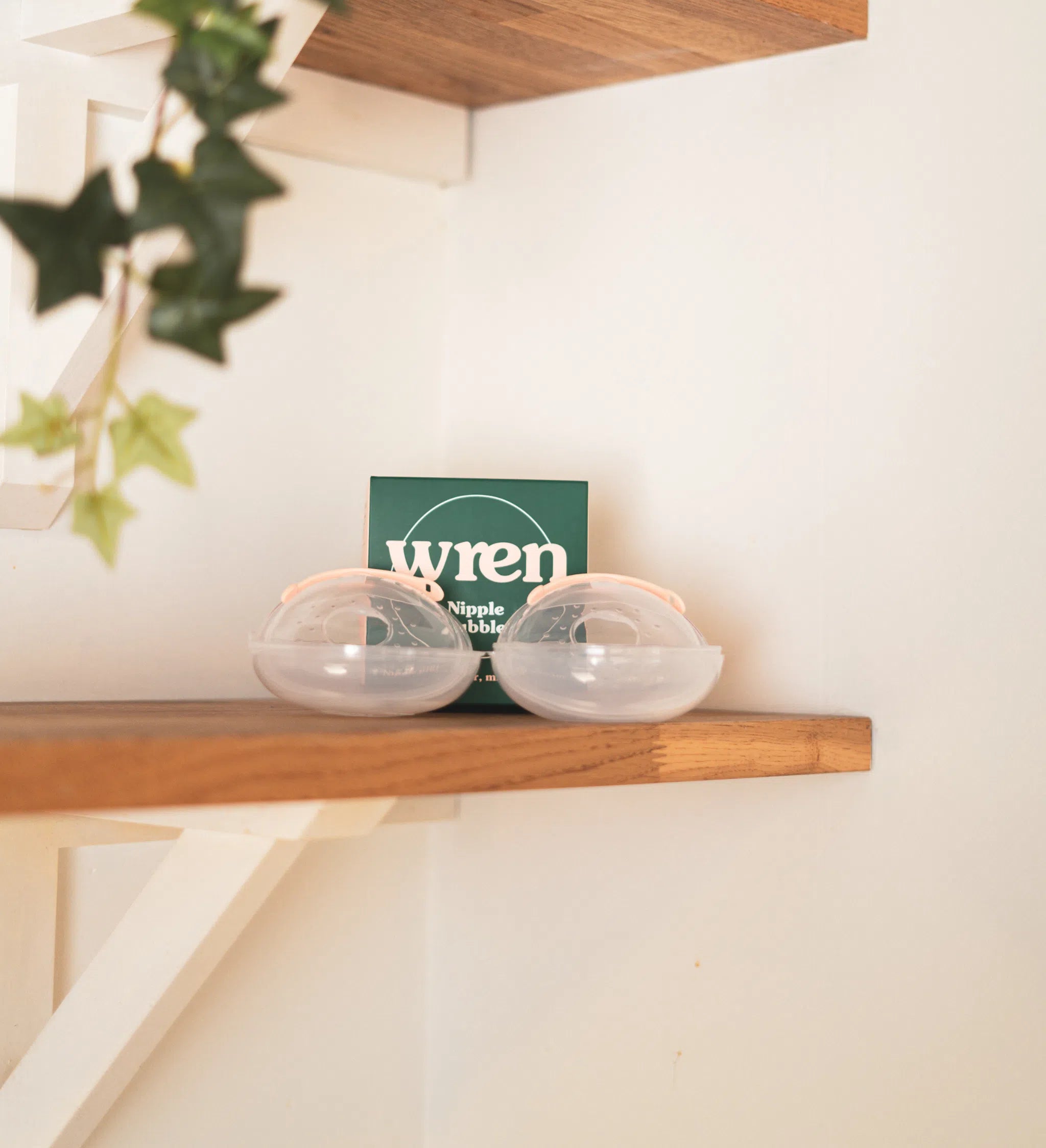
If your pump fit needs attention, the Breast Shield 25mm Flange is a replacement flange sized for comfortable, effective expressing. Soft Bamboo Reusable Breast Pads protect sensitive nipple skin between feeds, and the Lactation Massager can help stimulate flow and relieve engorgement when transfer feels borderline. The Nipple Bubble with storage case keeps your shield clean and protected when you are out and about.
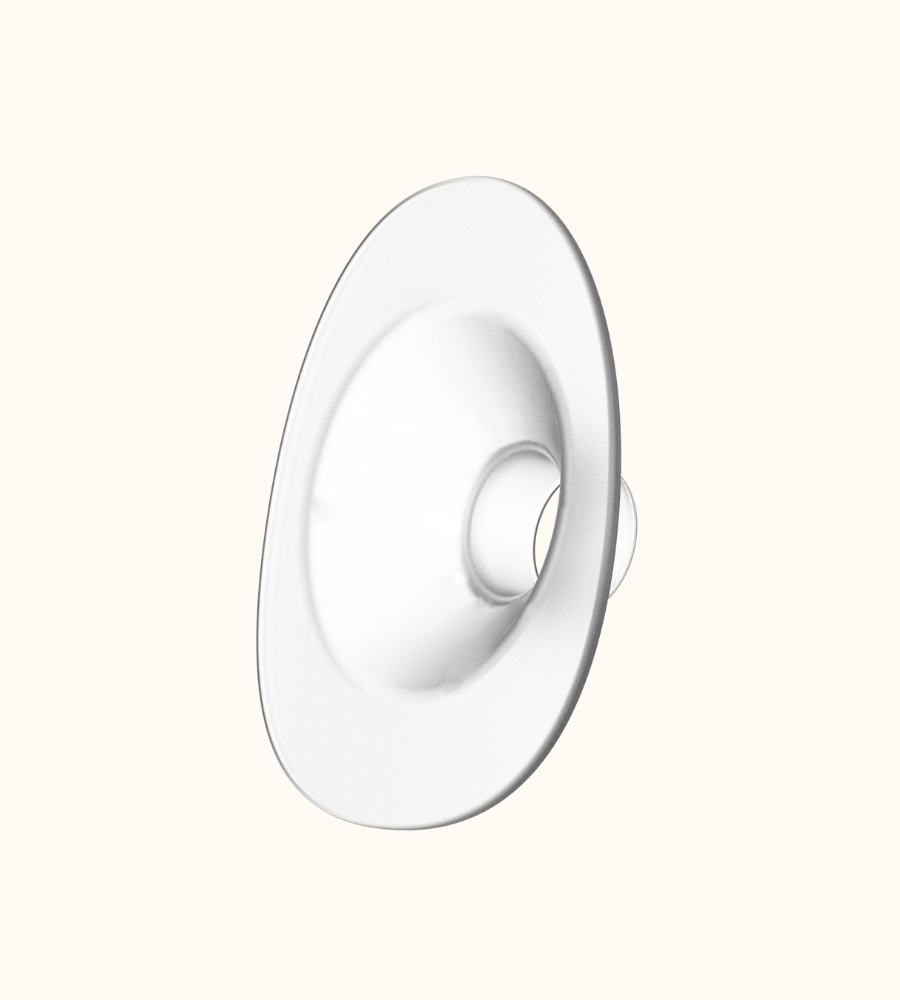
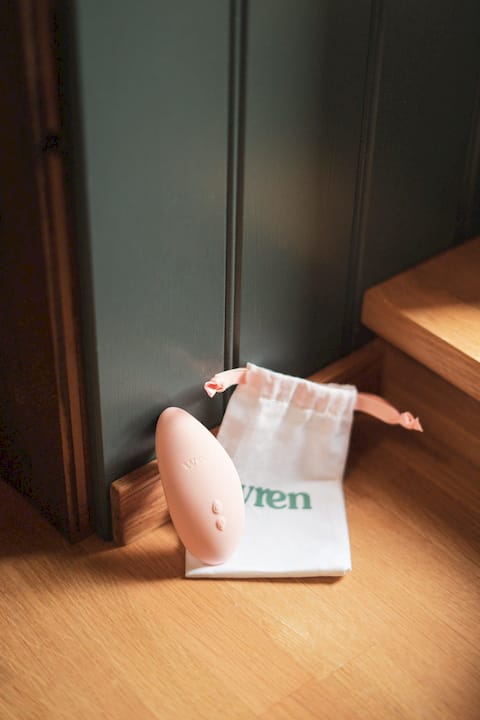
Browse the full range of breastfeeding accessories at My-wren and follow your clinician’s advice before substituting any product for professional lactation support.
Sources
The sources below are the most relevant clinical guidance and peer-reviewed material used in this article. Bringing these links to an IBCLC or health visitor appointment can help focus the conversation.
Recommended reading:
- The Use of Nipple Shields: A Review (PMC) — A systematic review of the evidence for and against shield use; useful for understanding the balance of benefit and risk.
- East of England Neonatal Network: Clinical Guideline on Nipple Shields (NHS) — NHS clinical protocol covering fitting, application, and monitoring; directly relevant to UK practice.
- HSE: Nipple Shields — Practical guidance on timing, fit, cleaning, and when shields are not appropriate.
- Children’s Minnesota: Nipple Shield General Guidelines — Step-by-step application and monitoring checklist for clinical and home use.
- Cleveland Clinic: Nipple Shields — When and How to Use Them — Balanced overview with practical weaning steps and red flags.
- Australian Breastfeeding Association: Nipple Shields — Evidence-based summary of indications, risks, and follow-up requirements.
This article provides general information only and is not a substitute for professional breastfeeding or medical advice. Confirm current guidance with your IBCLC, midwife, health visitor, or GP.
- The Use of Nipple Shields: A Review - PMC
- Clinical Guideline: Using a Nipple Shield
- Nipple shield general guidelines | Children’s MN
- Nipple Shields: When & How To Use Them | Cleveland Clinic


