


How to warm breast milk safely: a UK guide


You do not have to warm expressed breast milk. NHS guidance confirms it can be fed straight from the fridge or at room temperature if your baby accepts it. If you do choose to warm it, the simplest method is placing the sealed bottle or bag in a bowl of warm water until it reaches body temperature (around 37°C). One rule applies without exception: never use a microwave.
Quick verdict at a glance:
- Warming is optional. Many babies feed happily from a cold or room-temperature bottle.
- If warming, use a bowl or jug of lukewarm water. Target temperature: approximately 37°C.
- Never exceed 40°C.
- Never microwave. Microwaves create hot spots that can scald a baby’s mouth.
- Freshly expressed milk at room temperature should be used relatively soon after expressing.
Key takeaways
Warming expressed breast milk is optional. When you do warm it, a bowl of lukewarm water targeting 37°C is the safest and most widely recommended method.
| Point | Details |
|---|---|
| Warming is not required | Chilled or room-temperature milk is safe for most healthy, full-term babies. |
| Target temperature | Aim for approximately 37°C; never exceed 40°C when warming. |
| One-hour rule | Pre-warmed milk must be used within one hour; discard any leftovers. |
| Never refreeze | Once thawed, milk cannot be refrozen; use within 24 hours if kept in the fridge. |
| My-wren accessories | Storage bags, lactation massager, and Nipple Bubble support the full expressing and storage routine. |
Table of Contents
- How to warm breast milk safely: step-by-step methods
- How to defrost frozen breast milk safely
- How long is warmed or thawed milk safe to use?
- How to check milk temperature and avoid hot spots
- Why you might not need to warm milk at all
- Common mistakes when warming or thawing milk
- Why health bodies advise against microwaving: the evidence
- A note from the My-wren team
- Wren products that support safe expressing and storage
- Sources
How to warm breast milk safely: step-by-step methods
Start with clean hands and a sealed, clean container. Whether you are using a bottle or a storage bag, the seal must be intact before the container touches water.
Warm-water bath method (recommended)
Place the sealed bottle or bag in a jug or bowl of lukewarm water. HSE guidance advises aiming for body temperature (around 37°C) and not allowing the milk to exceed 40°C. Leave the container in the water for a few minutes, checking periodically. If the water cools before the milk is warm enough, swap it for fresh lukewarm water rather than adding boiling water directly.
Pro Tip: Swapping the water rather than topping up with boiling water gives you much finer control over the final temperature and prevents accidental overheating, particularly in a cold kitchen.
Running warm water method
Hold the sealed bottle under a warm tap, rotating it so the heat reaches the milk evenly. This is faster than the bowl method and useful when you need milk quickly. Keep the water comfortably warm on your wrist, not hot.
Bottle warmers
A dedicated bottle warmer can be convenient, but follow the manufacturer’s instructions precisely. Some models can overheat milk if the cycle runs too long. Always check the milk temperature on your wrist before feeding, regardless of the device’s indicator light.
Avoid boiling water, direct heat on a hob, and any method that heats the milk rapidly and unevenly. Gentle and slow is the consistent principle across NHS, HSE, and CDC guidance.
How to defrost frozen breast milk safely
Slow thawing in the fridge is the preferred approach. Place the frozen container in the fridge the night before you need it and allow it to thaw gradually overnight.
When you need milk more quickly, Bucks Healthcare guidance recommends starting with cool running water over the sealed container, then switching to warm running water, or placing the container in a jug of warm water. Use thawed milk immediately once it has reached the right temperature.
Key rules for frozen milk:
- Thaw in the fridge overnight wherever possible.
- For faster thawing, use cool then warm running water, or a jug of warm water.
- Once fully thawed, use the milk within the time limits below.
- Never refreeze thawed breast milk.
- Label every container with the date and time of expression before freezing.
Warming helps re-incorporate fat that separates during storage, which can improve the milk’s consistency and make it easier for some babies to accept from a bottle.
How long is warmed or thawed milk safe to use?
Time limits matter. The table below reflects UK-aligned guidance from the NHS, HSE, and hospital leaflets.
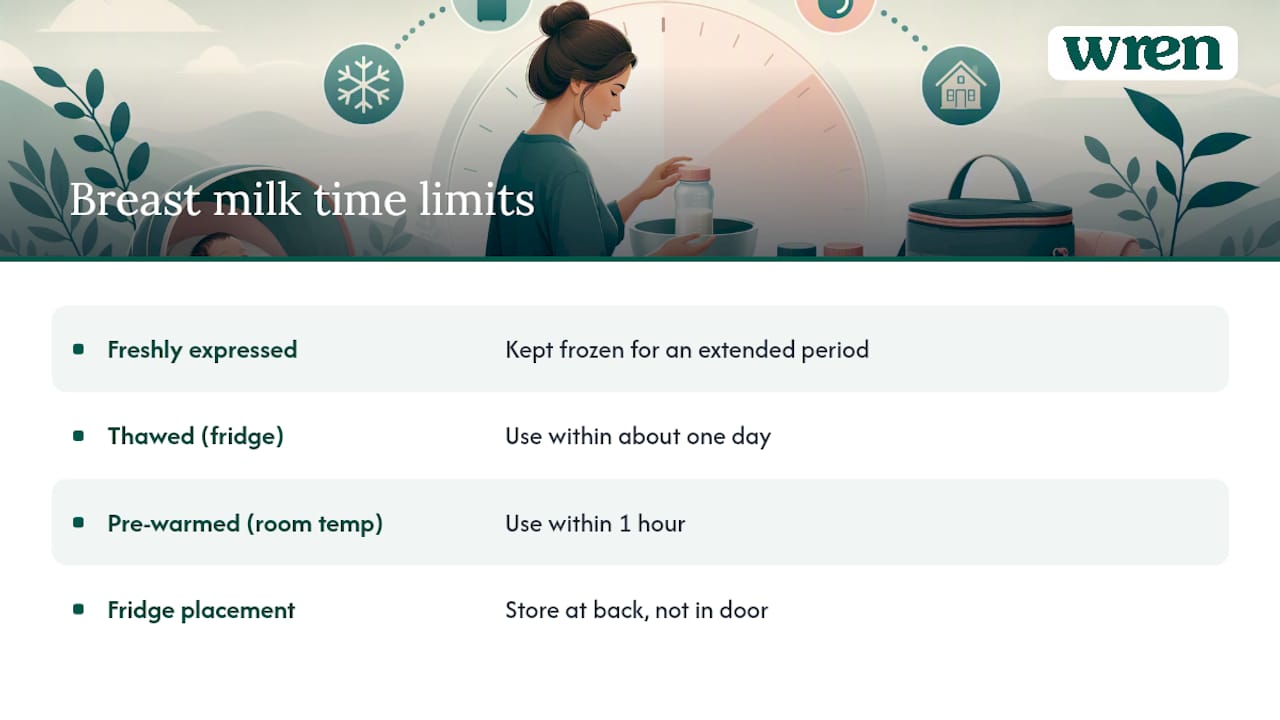
| Freshly expressed milk can be kept frozen for an extended period. |
| Thawed breast milk should be used within about one day when kept in the fridge. | | Pre-warmed milk | Room temperature | Use within 1 hour |
Store milk at the back of the fridge, not in the door, where temperature fluctuates. NHS Best Start in Life guidance advises labelling every container with the date and time of expression and keeping milk away from raw foods. Milton Keynes University Hospital guidance states that pre-warmed milk must be used within one hour. Discard any milk left in the bottle after a feed.
For a full breakdown of storage best practice, the My-wren guide on how to store breast milk covers labelling, rotation, and container choice in detail.
How to check milk temperature and avoid hot spots
The wrist test is the standard check. Shake a few drops of warmed milk onto the inside of your wrist. It should feel warm but not hot, roughly the same as your own skin temperature. If it feels hot, it is too hot.
Practical checks before every feed:
- Perform the wrist test after warming, not before.
- Gently swirl the bottle to mix fat that has separated during storage. Do not shake vigorously.
- If using a bottle warmer, check the milk temperature manually even when the device signals it is ready.
- Never assume an even temperature throughout the bottle without mixing first.
Vigorous shaking is widely discouraged in breastfeeding guidance. Swirling gently is sufficient to recombine separated fat without introducing excess air into the milk.
Hot spots occur when heat is applied unevenly, most commonly in a microwave or an incorrectly used bottle warmer. A bottle can feel lukewarm on the outside while containing pockets of scalding milk inside. The wrist test alone does not catch internal hot spots if the milk has not been mixed first, which is why swirling before testing matters.
Why you might not need to warm milk at all
Many healthy, full-term babies feed without difficulty from a chilled or room-temperature bottle. NHS guidance is clear that warming is a preference, not a requirement. Skipping the warming step reduces handling time, lowers the risk of overheating, and removes one potential point of contamination.
Reasons some parents choose not to warm:
- The baby accepts cold milk without fuss.
- Fewer steps mean fewer opportunities for temperature errors.
- Room-temperature milk from a breast milk storage bag that has been left out for a short time is ready to use without any preparation.
Warming does offer one practical benefit: it helps re-incorporate fat that separates during refrigeration, which can improve texture; for those interested, exploring the best baby balm for sensitive skin offers natural skincare alternatives. If your baby consistently refuses cold milk, gentle warming with the bowl method is the straightforward fix. For parents dealing with milk that smells or tastes different after freezing, the My-wren article on high lipase milk explains what causes it and what to do.
Common mistakes when warming or thawing milk
Using a microwave. The CDC advises never to thaw or heat breast milk in a microwave. If milk was microwaved accidentally, discard it. The risk of undetected hot spots is too high to feed it.
Adding warm milk to frozen milk. Pouring freshly expressed warm milk directly onto frozen milk can partially thaw the frozen batch, creating an uneven temperature throughout. Cool expressed milk in the fridge first, then add it to frozen milk if the volumes and dates are compatible.
Reheating milk that has already been warmed. Once milk has been pre-warmed, the one-hour window applies. Do not rewarm it a second time.
Leaving milk in a bottle warmer too long. Bottle warmers can overheat milk if left unattended. Set a timer and check manually.
Baby refuses previously frozen milk. This is often a lipase issue rather than a temperature problem. Smell the milk before warming. If it has a soapy or metallic odour, the lipase content may be high. Scalding milk before freezing (heating to around 70°C briefly, then cooling rapidly) can prevent this, though it does reduce some bioactive components.
Why health bodies advise against microwaving: the evidence
The NHS, HSE, and CDC all advise against microwaving breast milk, and the reasoning goes beyond simple overheating.
Microwaves heat liquids unevenly, creating localised hot spots within the milk even when the bottle feels cool on the outside. These hot spots can scald a baby’s mouth without any external warning sign.
La Leche League International describes human milk as a living fluid. High heat can denature bioactive proteins and reduce anti-infective properties. Slow, gentle thawing preserves more of these qualities.
A review published via NCBI supports the principle that storage and heating methods affect the bioactive components of human milk, with gentler approaches preserving more. The practical takeaway is consistent across all sources: avoid microwaves and high heat, and prefer slow, controlled warming.
A note from the My-wren team
The warm-water method is straightforward, requires no specialist equipment, and keeps the milk within a safe temperature range. Clear labelling and consistent storage habits reduce the risk of using milk past its safe window.
My-wren offers a lactation massager to support comfortable expressing, along with breast milk storage bags and a nipple bubble to cover the full expressing and storage cycle. If you are building a routine around expressed feeding, having the right accessories makes each step more reliable.
Wren products that support safe expressing and storage
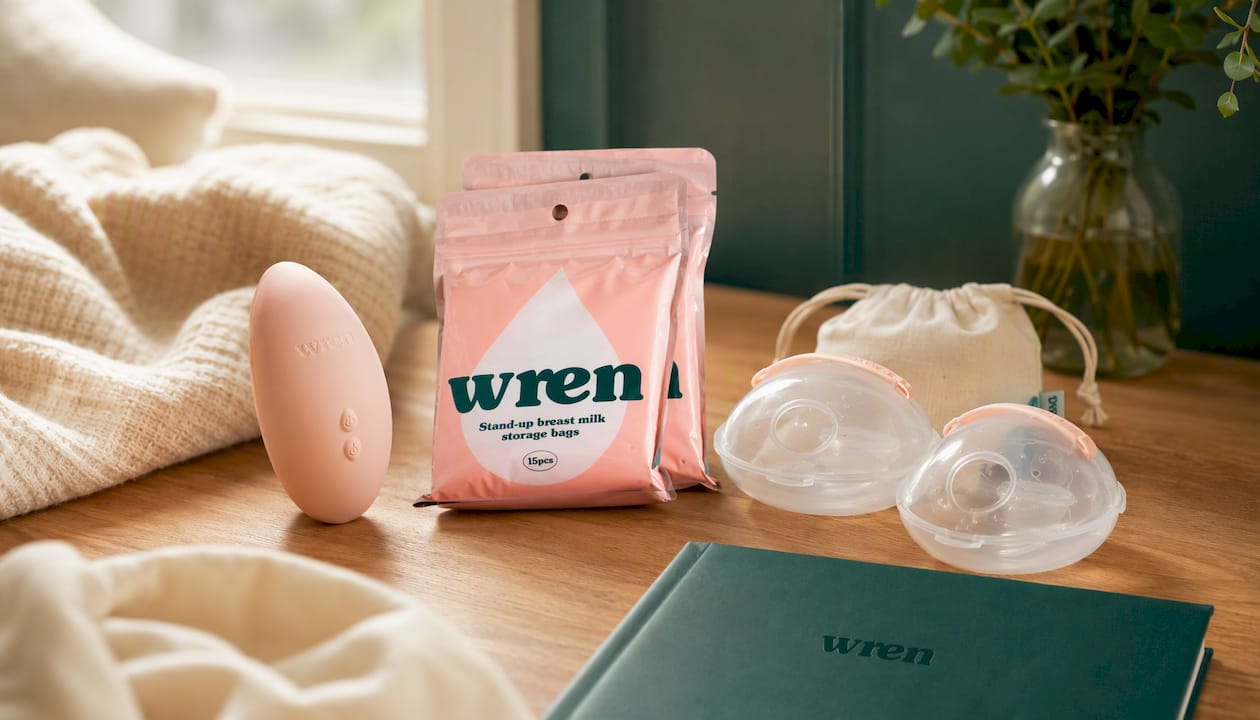
Three My-wren accessories cover the most practical steps in the expressing and storage process.
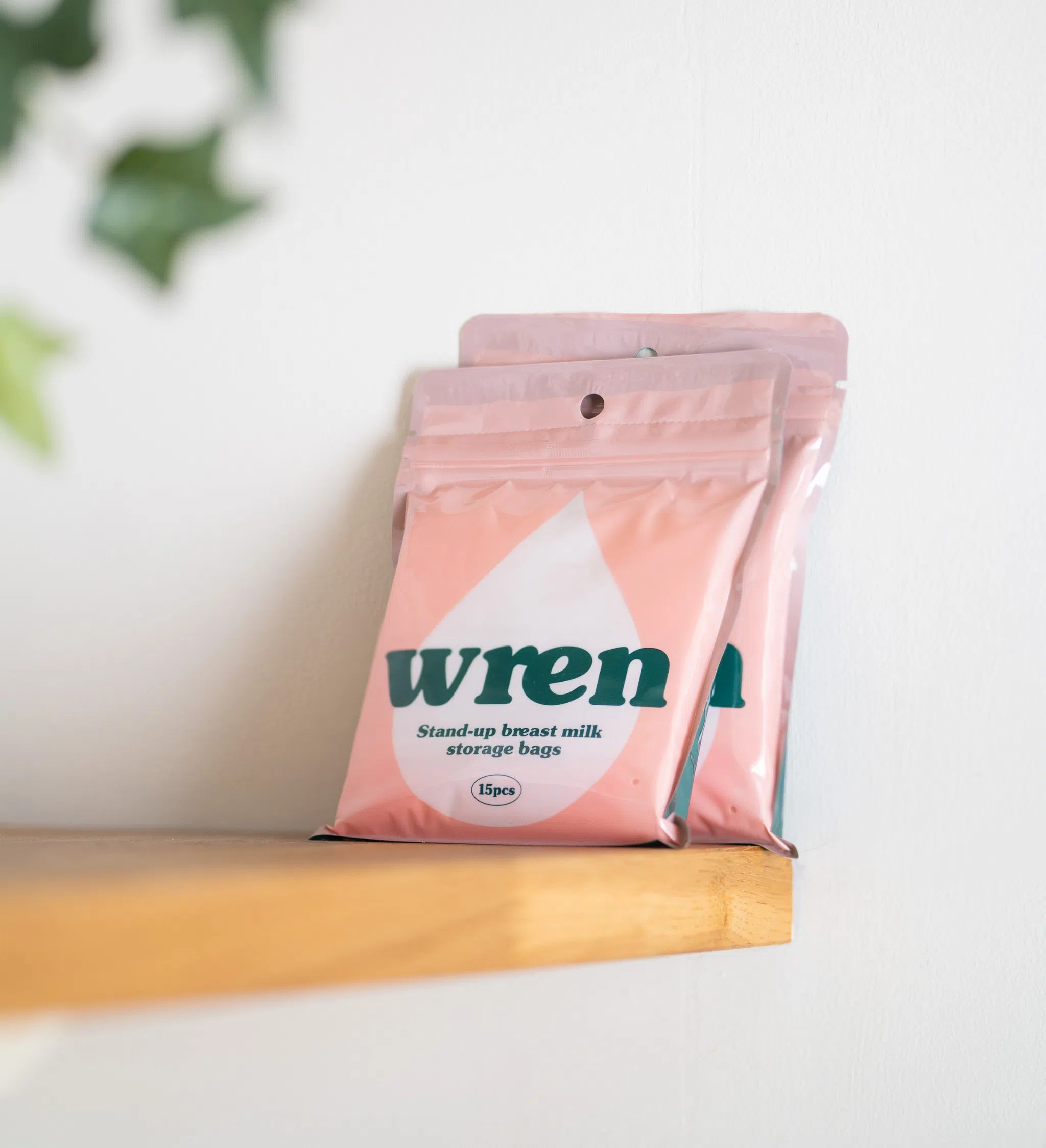
The lactation massager supports milk flow before and during expressing, helping to reduce discomfort and improve output. The breast milk storage bags are pre-sterilised, sealable, and designed for both fridge and freezer use, with a labelling panel for date and time. The Nipple Bubble comes with a storage case and bag, making it a compact option for parents managing small volumes of expressed milk on the move.
Browse the full range at My-wren to find what fits your expressing routine.
Sources
- Expressing and storing breast milk - NHS
- Breast Milk Storage and Preparation | Breastfeeding | CDC
- Heating Human Milk - La Leche League International
- Expressing your breast milk - Bucks Healthcare (PDF)
This article provides general information only and is not a substitute for professional medical advice. Consult your midwife, health visitor, or GP for guidance specific to your baby’s needs.


