


Combining a breastfeed and pump schedule: what actually works


Aim for frequent milk removals throughout the day while you’re building supply, reducing slightly once it’s steady. The rule that ties it all together: nurse first, then pump 30 to 60 minutes afterwards if you’re trying to increase output, and always keep one removal between 1am and 5am. Example schedules for home and work follow below.
TL;DR:
- Regular milk removals every 2 to 3 hours during workdays help maintain supply, with at least one session between 1am and 5am to maximize prolactin production.
- A typical session lasts 15 to 20 minutes of pumping plus 10 to 20 minutes for setup and cleaning, with double pumping boosting output efficiency.
- Adding an extra pump session later in the day can counteract missed or low-output days, but power pumping should only be used short-term for supply boosts.
- Using a properly fitting flange and including hands-on techniques can significantly increase milk yield, especially during pumping sessions.
- The right equipment, such as hands-free double pumps and labelled storage bags, simplifies maintaining a consistent routine and safe milk storage.
Table of Contents
- How to build a breastfeed and pump schedule that fits your day
- Why does an early-morning pump matter at work and overnight?
- What’s the best time to pump around a breastfeed?
- How do you fix a low-supply dip or a missed session?
- Where hands-free pumps and storage bags fit your routine
- Perfect schedules don’t exist, and that’s fine
- Ready-made kit for whichever schedule you land on
- Where this guidance comes from
- Sources
How to build a breastfeed and pump schedule that fits your day
There isn’t one universal template, because a newborn’s needs and a working parent’s day pull in different directions. What stays constant is the target: enough removals across 24 hours to signal your body to keep producing, whether that milk comes from a feed or a session with the pump.
Three situations cover most parents:
- Establishing supply (newborn, first few weeks): aim for frequent milk removals every 24 hours and never leave a gap longer than a few hours, even overnight, according to University Hospitals Sussex NHS Foundation Trust. If baby is nursing 8 times a day, you may not need extra pumping at all unless you’re building a stash.
- Home‑based, supply established: nurse on demand, then add one dedicated pump session daily, often after the first morning feed when breasts are fullest, to build a freezer supply without overworking your body.
- Return to work: feed baby before you leave, pump mid‑morning, again at lunch, and once more mid‑afternoon, then nurse through the evening and night. This mirrors NHS guidance to pump roughly as often as baby would otherwise feed.
For timing within each session, budget 15 to 20 minutes of actual pumping, but allow 30 to 40 minutes total once you’ve accounted for setup, positioning, and washing parts afterwards, as Cleveland Clinic notes. That extra 15 minutes is easy to forget when you’re planning a diary around meetings, and it’s usually the reason a “quick pump” runs long. Our newborn pumping schedule for the first weeks breaks the establishing‑supply phase down hour by hour if you want more detail there.
Why does an early-morning pump matter at work and overnight?
A workday plan only holds up if it’s realistic about time, not just frequency. Pumping every 2 to 3 hours while away from baby is the general target, though starting with a 3‑hourly rhythm and adjusting based on output is a sensible way in, since Cleveland Clinic frames the “3‑hourly” figure as a practical starting point rather than a fixed medical rule.
Build your day around this:
- Block 30 to 40 minutes per session, not just the 15 to 20 minutes of pumping itself.
- Pack two sets of spare flanges and tubing, plus a cooler bag for the drive or commute home.
- Check what private space and break allowances your employer offers before your first day back. This overlaps with wider conversations about balancing a career and family obligations, which is worth reading if you’re navigating shift patterns too.
- Keep one session between 1am and 5am wherever possible, because prolactin, the hormone driving milk production, runs highest during these hours.
Pro Tip: Set an alarm 20 minutes before baby typically wakes for a night feed, so you can pump alongside them rather than adding a separate wake-up.
What’s the best time to pump around a breastfeed?
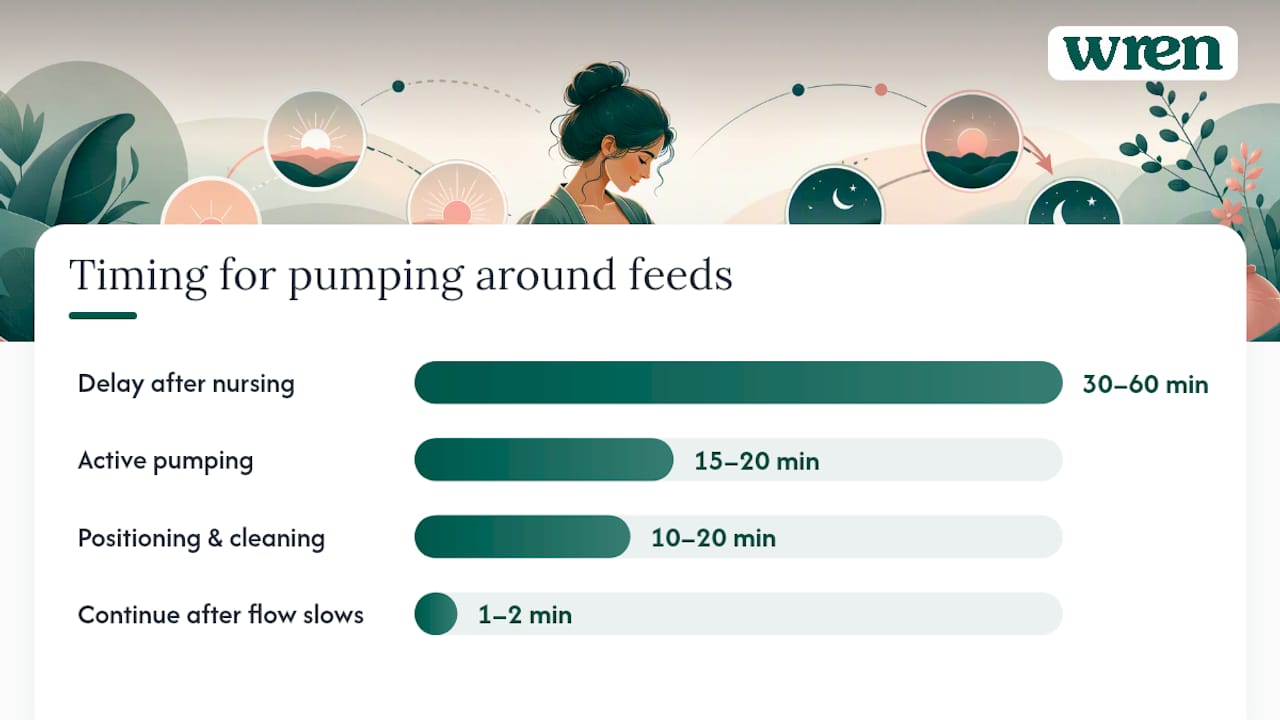
Sequence matters more than most parents expect. Nursing first, then pumping 30 to 60 minutes later, lets you capture whatever milk baby left behind while also telling your body to make more, a strategy Healthline describes as one many parents see results from within three days of consistent use. Our guide on the best time to pump goes further into daily rhythm if mornings versus evenings feel confusing.
On duration, plan for:
- 15 to 20 minutes of actual pumping per session.
- 10 to 20 minutes extra for positioning, flange fit, and cleaning parts afterwards.
- Double pumping over single pumping where possible. Removing milk from both breasts at once is more time-efficient and raises prolactin more than single-sided sessions.
Technique changes output more than most people realise. La Leche League points to hands-on pumping, breast massage and compressions during the session, and continuing for a minute or two after flow slows, as ways to trigger a second let-down and increase overall yield. Watch for discomfort, too: suction turned up too high doesn’t extract more milk, it usually just causes pain and nipple damage, and is often a sign your flange size is wrong rather than your pump being too weak.
How do you fix a low-supply dip or a missed session?
Missing a session happens. Rather than panic, add an extra pump or feed later in the day to bring your 24‑hour total back to your usual number, since consistency across the day matters more than clock-watching.
If output has genuinely dropped, power pumping can help as a short-term fix:
- Pump for 20 minutes.
- Rest for 10 minutes.
- Pump for 10 minutes, rest 10, then pump a final 10 minutes.
Repeat this cycle once daily for 3 to 7 days. It mimics the cluster feeding pattern babies use during growth spurts, and it’s designed as a temporary boost, not a daily habit, according to University Hospitals Sussex NHS Foundation Trust.
Watch for engorgement (hard, painful fullness), a blocked duct (a tender lump that doesn’t shift with feeding), or mastitis (redness, fever, flu-like aches). Frequent removal, warm compresses before feeding, and cold compresses after usually settle engorgement and blocked ducts within a day or two. Fever or spreading redness needs a GP the same day. If low supply persists beyond a week of consistent extra stimulation, or you’re worried about latch, technique, or infection, an IBCLC lactation consultant or your GP can rule out what a schedule alone can’t fix.
Where hands-free pumps and storage bags fit your routine
Paul, who covers infant feeding for the My-wren editorial team, has spent years translating NHS and hospital-trust guidance into schedules real parents can actually follow between nappy changes and school runs.
The right kit changes how sustainable a schedule feels, not just how convenient it looks:
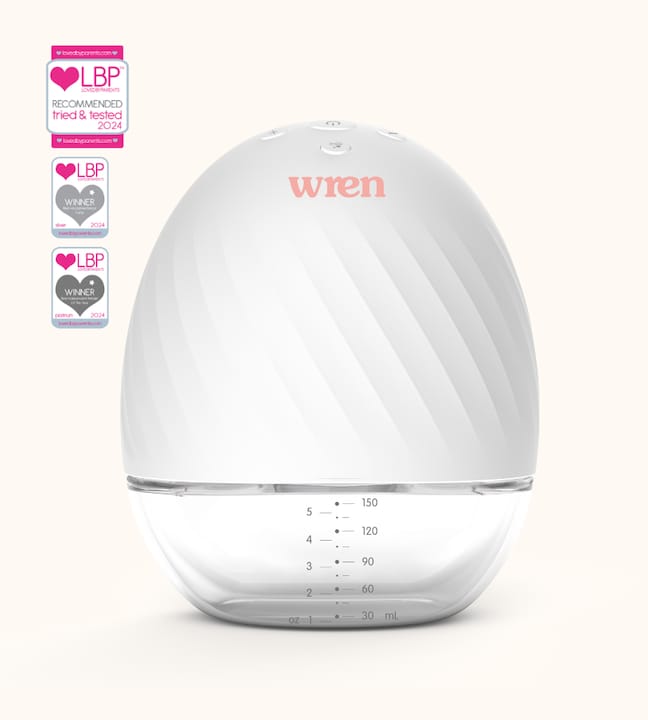
- Regular, multiple daily sessions (establishing supply, exclusive expressing, workday routines) suit a hands-free double pump, since double pumping saves time and lifts prolactin more than single-sided expressing.
- Occasional or discreet sessions (topping up, travelling, a single workday pump) suit a single hands-free pump you can wear under clothing.
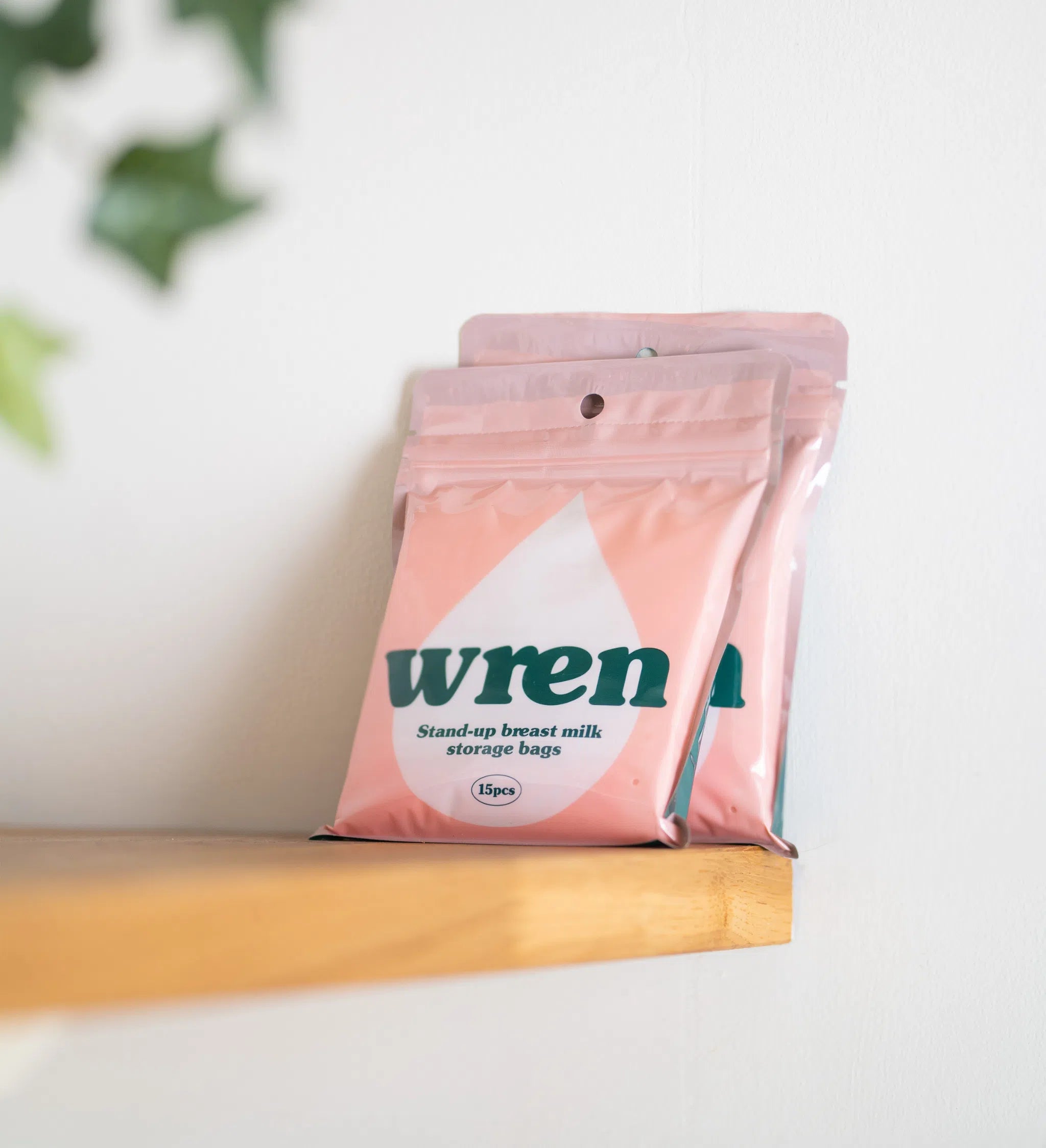
- Building a freezer stash from any of the above schedules needs reliable storage. Milk storage bags with clear date markings keep a growing supply organised and safe.
Always follow your pump’s fitting guide for flange size, since a poor fit is the most common cause of both discomfort and disappointing output.
Perfect schedules don’t exist, and that’s fine
No two babies read the same script, and no two parents have identical days, so treat every template here as a starting point, not a test you can fail. Small, sustainable adjustments beat rigid perfection almost every time, particularly once work, illness, or a growth spurt reshuffles your week.
One habit that pays off disproportionately: pack your pump kit the night before. Fewer decisions at 6am means one less reason to skip a session you need.
— Paul
Ready-made kit for whichever schedule you land on
Once you’ve settled on a rhythm, the right equipment makes it far easier to stick to. If you’re pumping several times a day, whether that’s establishing supply early on or managing a full return-to-work routine, hands-free double breast pumps let you express both sides at once without holding anything, which matters when a session is squeezed between meetings.
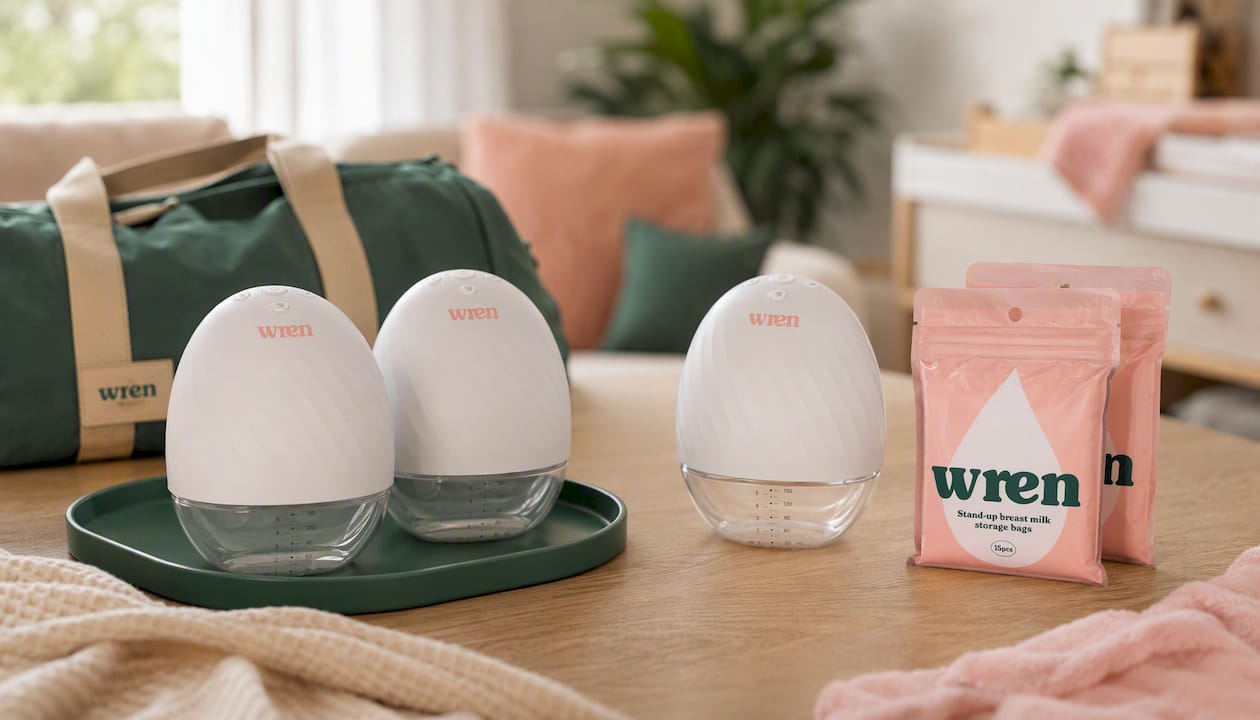
For occasional or discreet sessions, a hands-free electric breast pump fits under clothing and works well for a single top-up feed or travel day. And once you’re building a stash worth keeping track of, well-labelled breast milk storage bags make freezer organisation straightforward, with clear space for dates and volumes. Prices across the range start from around £35, depending on the model. Browse the current range on the My-wren shop to find the fit that matches your schedule.
Where this guidance comes from
- University Hospitals Sussex NHS Foundation Trust supports the frequency guidance and power pumping protocol.
- NHS Best Start in Life covers expressing basics and safe storage.
- Cleveland Clinic informs session timing and workday planning.
- La Leche League backs the hands-on pumping technique notes.
This article is general information, not a substitute for advice from a qualified doctor. Consult a qualified healthcare professional about your own circumstances before acting on anything here.
Sources
- Helping your breastfed baby to get all the milk they need - University Hospitals Sussex NHS Foundation Trust
- Pumping schedule for when you’re back to work — Cleveland Clinic
- Expressing your breast milk — NHS Best Start in Life
- Exclusive expressing — La Leche League
- Pumping schedule — Healthline


