


Pumping During Mastitis: Clinically Aligned Care to Protect Supply


Keep breastfeeding on demand if your baby can latch. Only pump when you’re separated from your baby or they can’t feed, and keep sessions gentle: moderate suction, a correctly fitted flange, and express roughly the volume your baby would take rather than trying to empty the breast. Watch for a spreading rash, a hard lump, or a fever that won’t shift, and get urgent medical care if any of those appear.
TL;DR:
- Breastfeeding on demand remains the best approach during mastitis, with pumping only necessary if the baby cannot latch or when separated from the infant.
- Over-pumping can worsen mastitis by increasing swelling and tissue injury; pump only what your baby would normally take and avoid forceful sessions.
- Using the correct flange size is crucial, as incorrect fit causes nipple trauma, reduces milk flow, and prolongs inflammation.
- Cold packs, paracetamol, and ibuprofen are more effective than heat and massage for relieving inflammation and pain.
- If symptoms worsen or spread, such as increased redness or fever, urgent medical care is essential to prevent complications like abscess.
Table of Contents
- Should you pump with mastitis, or just keep feeding?
- How do you pump safely during mastitis?
- Is your flange the wrong size, and does it matter?
- What actually eases mastitis pain and inflammation?
- What should you do in the next 24 to 72 hours?
- Why Wren built its pumping guidance around gentleness, not output
- Gentle tools for expressing while you recover
- Sources
Should you pump with mastitis, or just keep feeding?
Direct, on-demand breastfeeding is the first-line approach during mastitis, according to NHS guidance. A feeding baby clears the breast far more efficiently than a pump, and the Academy of Breastfeeding Medicine’s 2022 protocol recommends minimising pump use wherever a baby can latch and feed normally.
Pumping still has a place. It’s reasonable when:
- You’re physically separated from your baby, such as returning to work or a hospital stay.
- Retroareolar swelling is so severe that your baby can’t latch at all.
- A midwife or GP has advised expressing for a specific medical reason, such as monitoring intake.
Where the breast is too swollen for either your baby or hand expression to remove milk, some protocols suggest a short pause in feeding that breast entirely, letting the swelling settle before you try again, per the Academy’s protocol.
Over-pumping is one of the more overlooked drivers of mastitis in the first place. Most cases stem from hyperlactation or oversupply rather than infection as the usual cause, and pumping beyond what your baby needs feeds that cycle, according to the same protocol. A pump also can’t replicate the physiologic feedback of a suckling baby, which is part of why StatPearls’ evidence review flags heavy pump reliance as something to avoid during flare-ups. Don’t be surprised if the affected side produces noticeably less for a day or two once you scale back. That dip usually recovers once inflammation settles and feeding resumes normally.
How do you pump safely during mastitis?
The goal is comfort and relief, not maximum output. Follow these steps each time you need to express:
- Start on the lowest suction setting and increase only until it feels comfortable, never to the strongest setting the pump offers.
- Express only what your baby would normally take at that feed rather than continuing until the breast feels empty.
- Keep sessions short and frequent if you’re separated from your baby, rather than one long, forceful session.
- Use hand expression for very small volumes, particularly if the breast is too tender for a flange to sit comfortably.
- Apply light hands-on support to guide flow while pumping, but stop well short of firm or deep massage.
Pump-assisted hands-on technique can help drainage when done gently, but the rapid evidence review from American Family Physician warns that vigorous massage and frequent complete emptying can increase oedema and tissue injury rather than relieve it. That’s a reversal of a lot of older advice, and it’s worth remembering the next time someone suggests “really working” the lump out.
Pro Tip: If a pumping session leaves you more sore or swollen than before, stop and switch to hand expression for that feed. Forcing a full pump cycle through inflamed tissue rarely helps and often sets you back.
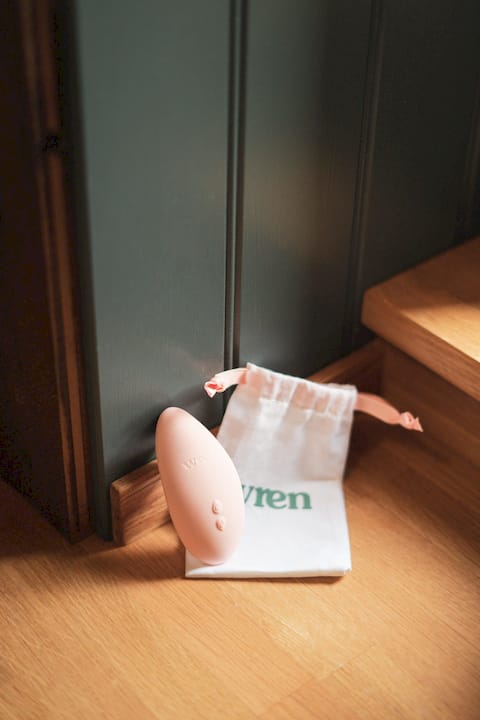
For anyone finding sessions consistently uncomfortable rather than just during a mastitis flare, it’s worth reading through why pumping hurts and what actually helps.
Is your flange the wrong size, and does it matter?
An ill-fitting flange is one of the most common, and most fixable, causes of nipple trauma during pumping, and trauma makes mastitis harder to manage. Check the fit each time you pump, since swelling can change the size you need day to day.
Look for these signs of a good fit:
- Your nipple centres in the tunnel and moves freely without rubbing the sides.
- Little or no areola is drawn into the flange alongside the nipple.
- There’s no blanching, pinching, or pain during the cycle.
- Milk flows steadily rather than in short, blocked bursts.
If you’re seeing rubbing, pain, or a nipple that comes out misshapen, try a different flange size or a soft silicone insert before your next session, and double-check the pump is sitting square rather than at an angle. An incorrectly sized flange doesn’t just hurt. It also removes milk less effectively, leaving more behind and prolonging the inflammation you’re trying to settle. If sizing has always felt like guesswork, this flange sizing walkthrough breaks down how to measure properly, and there’s more on matching flange choice to a Wren pump if you’re using one.
What actually eases mastitis pain and inflammation?
Cold, not heat, is the better call here. Clinical guidance has shifted firmly away from warm compresses and vigorous massage before feeds, because both can increase swelling in already inflamed tissue. Ice packs between feeds are now preferred for comfort.
For pain and fever, paracetamol and ibuprofen are both considered safe to take while breastfeeding at standard doses, and they’re usually the first thing worth reaching for. Rest and fluids matter more than people expect too: StatPearls’ evidence summary notes that a large share of mastitis cases resolve with conservative care alone, meaning rest, hydration, on-demand feeding, ice, and NSAIDs, without needing antibiotics at all.
- Use ice packs for 15 to 20 minutes at a time rather than heat.
- Take paracetamol or ibuprofen at standard doses for pain and fever.
- Avoid firm massage over the lump, even if it feels like it should help.
If a GP does prescribe antibiotics, a course of antibiotics typically lasting around ten days is typical, and you should expect to keep breastfeeding or expressing throughout it rather than pausing treatment plans around feeding.
What should you do in the next 24 to 72 hours?
Work through this in order, and don’t skip straight to pumping if your baby can still feed:
- Keep feeding on demand, trying different positions to drain all areas of the breast.
- If separated, hand-express small amounts for comfort rather than reaching for the pump immediately.
- Apply ice packs between feeds and take paracetamol or ibuprofen as needed.
- Clean pump parts after each use and wash hands before expressing. Full sterilising isn’t necessary for this.
- Reassess after 24 hours; if things aren’t improving, call your GP or a lactation consultant.
Seek urgent care if you notice a fever that keeps climbing, redness spreading beyond the original patch, a lump that feels soft or fluctuant (a possible abscess), or if you start feeling systemically unwell with chills or confusion. Those signs go beyond what rest and ice can fix on their own.
Why Wren built its pumping guidance around gentleness, not output
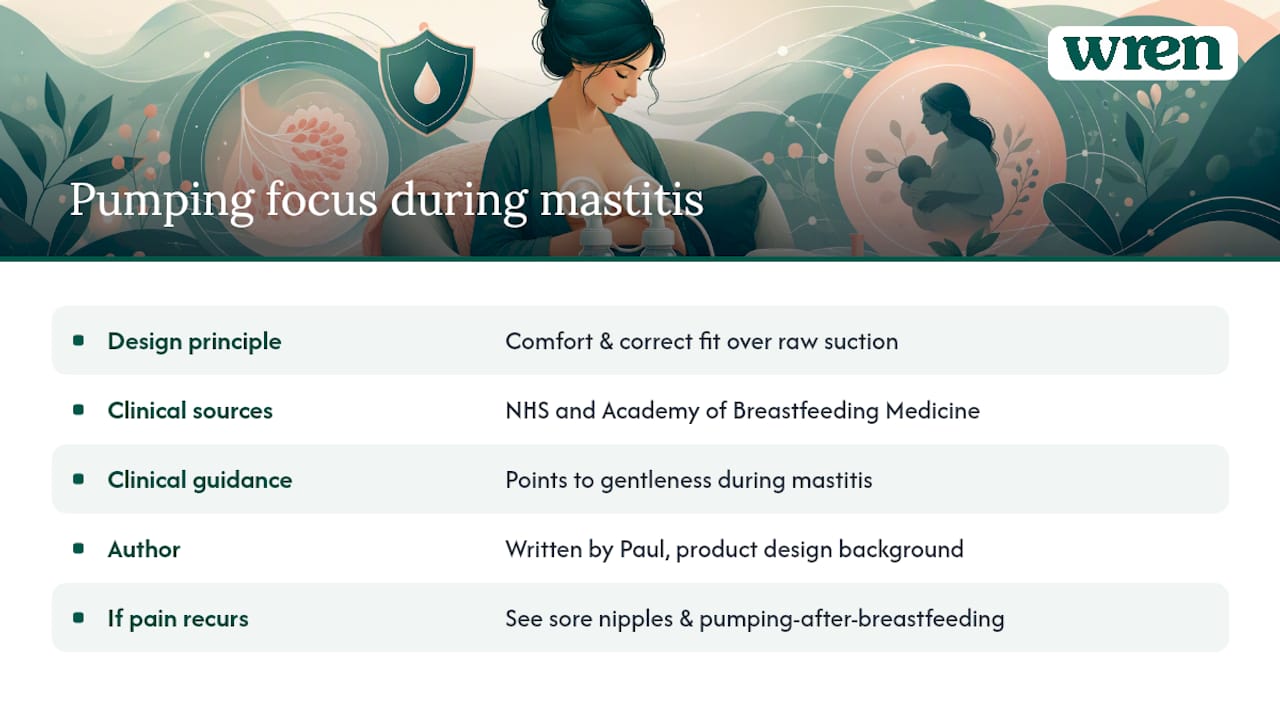
Wren designs wearable pumps and accessories on the principle that comfort and correct fit matter more than raw suction, which is exactly the approach clinical guidance points to during mastitis. This piece was written by Paul, drawing on maternal wellness product design and the same NHS and Academy of Breastfeeding Medicine sources cited throughout.
If flange fit or pumping pain is a recurring issue rather than a mastitis-specific one, it’s worth reading what to do about sore nipples right now and whether pumping after breastfeeding actually helps.
Gentle tools for expressing while you recover
Recovering from mastitis often means expressing small, careful amounts rather than full sessions, and the right accessories make that easier on sore tissue. The Lactation Massager is built for gentle, controlled pressure that encourages drainage without the firm kneading that clinical guidance actively warns against.
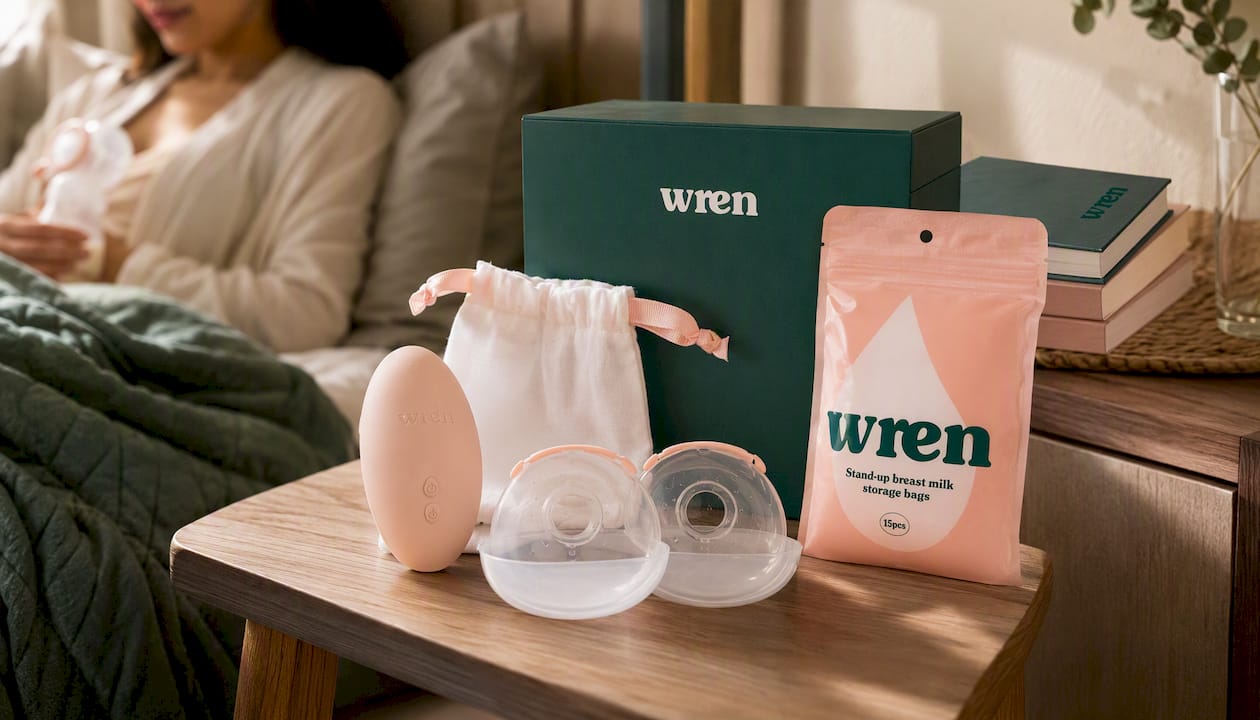
If you’re hand-expressing small volumes for comfort rather than a full feed, the Nipple Bubble protects tender skin from friction and gives you a hygienic way to catch and store those drops without wasting them. For anyone separated from their baby and needing to bank what they express, Breast Milk Storage Bags keep modest volumes safe until feeding time. Fresh feeds at the breast still come first whenever your baby can latch. These tools are there for the moments when they can’t, or when you’re expressing purely for comfort. Alongside good technique, proper nutrition supports recovery too. This postpartum nutrition guide covers hydration and eating well while your body heals. Browse the full range at My-wren to find what fits your recovery.
This article is general information, not a substitute for advice from a qualified doctor. Consult a qualified healthcare professional about your own circumstances before acting on anything here.
Sources
- Mastitis - NHS
- Academy of Breastfeeding Medicine Clinical Protocol #36: The Mastitis Spectrum, Revised 2022
- Acute Mastitis - StatPearls - NCBI Bookshelf
- Mastitis: Rapid Evidence Review - American Family Physician (2024)


