


Best time to pump for breastfeeding mothers, explained


Early morning is the best time to pump, usually 30 to 60 minutes after your baby’s first feed of the day. Overnight prolactin levels peak while you sleep, so breasts tend to be fuller on waking than at any other point in the day, and NHS Start4Life guidance confirms this window often produces the highest single-session volume.
That said, timing is only half the story. Here’s what actually moves the needle:
- Pump shortly after your baby’s first morning feed if you’re building a stash, or just before their usual morning wake if you need extra milk and your supply can handle it.
- Frequency beats perfect timing. A mother who pumps consistently at slightly “wrong” times will out-produce one who waits for the ideal moment but skips sessions.
The rest of this guide covers week-by-week starting advice, sample schedules for exclusive pumpers and working mums, how long each session should last, and the kit worth having in your pumping bag.
Key Takeaways
Milk supply depends on how often you pump and how well you empty the breast far more than on hitting a single perfect time of day.
This article is general information, not a substitute for advice from a qualified doctor. Consult a qualified healthcare professional about your own circumstances before acting on anything here.
Table of Contents
- When to start pumping: a week-by-week guide
- Why early morning sessions usually yield more milk
- How often should you pump? Sample schedules by stage
- How long should a pumping session last?
- Should you pump before or after a feed?
- Expressing methods and the kit worth having
- Practical tips to get more milk from every session
- Storing and handling expressed milk safely
- What the evidence actually tells us
- A note from My-wren
- Where My-wren fits into your pumping routine
- Sources
When to start pumping: a week-by-week guide
There’s no single correct week to start. It depends on why you’re pumping and how breastfeeding is going.
-
Immediately, if you and your baby are separated. Premature babies, NICU stays, or a baby who isn’t latching yet mean pumping starts within hours of birth. Hand expression alongside pumping helps trigger those first drops of colostrum, and skin-to-skin contact whenever possible supports supply even when direct feeding isn’t happening yet.
-
Weeks 2 to 4: start if you’re building a small stash or heading back to work soon. This is a sensible window to add one pumping session a day, typically after the first morning feed, without disrupting your baby’s feeding pattern.
-
2 to 4 weeks before a planned return to work: shift into regular pumping. Baptist Health’s guidance recommends starting this early so you can build a couple of days’ worth of frozen milk, iron out any flange fit issues, and give your baby time to practise taking a bottle from someone else.
In the very early weeks, if you are separated from your baby, aim to express roughly as often as a newborn would feed. The Australian Breastfeeding Association suggests every 2 to 3 hours during the day and at least every 4 hours overnight, since long gaps between sessions can slow milk production before it’s properly established.
Why early morning sessions usually yield more milk
Prolactin, the hormone chiefly responsible for milk production, follows a daily rhythm rather than staying flat around the clock. Research reviewing the circadian pattern of lactation hormones shows prolactin tends to run higher overnight and into the early morning, then tapers as the day goes on. Breasts have also had several hours to refill undisturbed during sleep, which compounds the effect.
Two practical ways to use this:
Pump after the first morning feed. Waiting 30 to 60 minutes after your baby has fed gives your body time to start producing again, so you’re not competing with your baby for the same milk. This is the approach NHS Start4Life recommends for mothers trying to build a stash or nudge supply upward.
Pump before your baby wakes, if you need to stack a stash quickly. This works, but use it sparingly if your supply is still settling. Taking milk your baby would otherwise have had at their first feed can leave less for them, so it suits mothers with an established, generous supply more than those still finding their feet.
Statistic callout: Most mothers see their highest single-session volume in the morning window, a pattern strong enough that NHS guidance builds its stash-building advice around it. Individual variation is real, though. Not every mother will notice a dramatic difference, and a smaller evening top-up is still worthwhile if that’s when you have time.
How often should you pump? Sample schedules by stage
Frequency, not timing, is what actually protects your supply over the long run. Guy’s and St Thomas’ NHS Foundation Trust puts it plainly: newborns need multiple expressing sessions across 24 hours to mimic natural feeding frequency, with fewer sessions as the baby grows older.
| Stage | Sessions per 24 hours | Notes |
|---|---|---|
| Newborn (up to 4 weeks) | 8 | Include at least one overnight session to protect early supply |
| up to 3 months | 8–10 | Space sessions roughly every 2–3 hours during the day |
| 3 months and older | 6 | Frequency can reduce gradually as supply stabilises |
| Working day (8-hour shift) | 3 pumps | Plus a feed before leaving and one on return home |
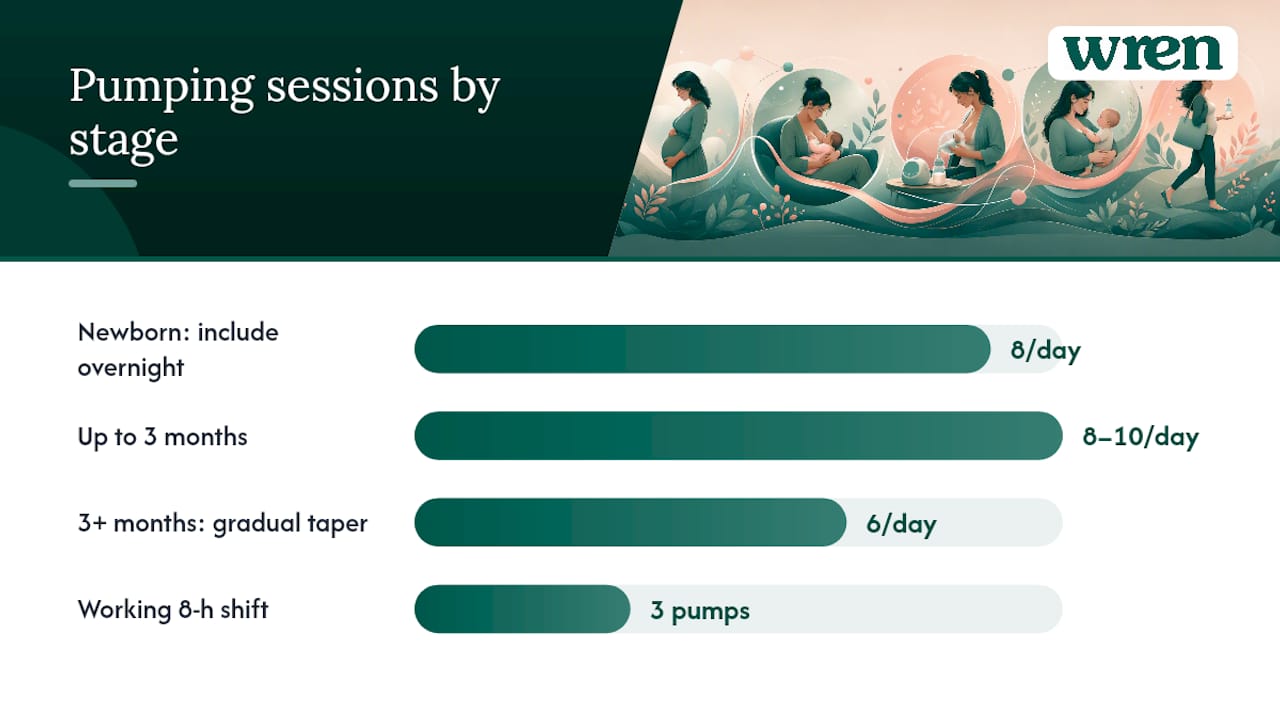
If you’re exclusively pumping, mimic your baby’s expected feeding frequency rather than sticking rigidly to a clock. A tighter pattern, closer to every 3 hours, tends to protect supply better than long gaps, even if it’s less convenient. Our guide to exclusive pumping breaks this down further.
If you’re supplementing while at work, match your baby’s daytime feeding pattern as closely as possible. A typical 8-hour shift might look like: one pump mid-morning, one at lunch, and one mid-afternoon, alongside feeds directly before and after your shift. Our pumping at work tips cover how to fit this around meetings and breaks realistically.
Tapering frequency should be gradual. Drop one session every few days rather than all at once, and watch for signs your supply is coping, such as breasts still feeling comfortably full between sessions, before dropping another.
How long should a pumping session last?
Fifteen to 20 minutes is the standard recommendation for most mothers, according to Great Ormond Street Hospital’s guidance. Some mothers, particularly those exclusively pumping in the early weeks, may need closer to 25 to 30 minutes to fully empty.
- Pump until your breasts feel soft and drained, then continue for another minute or two. Flow, not the clock, is the better guide.
- Going much beyond 30 minutes rarely adds meaningful milk and increases the risk of nipple irritation.
- Persistent soreness, cracked skin, or pain that doesn’t ease with adjusting flange size is a sign to get support from a lactation consultant rather than pushing through. Our guide to pumping discomfort covers common causes and fixes.
Should you pump before or after a feed?
It depends entirely on what you are trying to achieve.
Building a stash? Pump 30 to 60 minutes after a feed, once your baby has taken what they need and your supply has had a little time to replenish.
Relieving engorgement? Pump at least an hour before the next feed so your baby still has a reasonably full breast to latch onto, rather than an overfull one that’s harder for them to manage.
Trying to boost supply? Add a short session between feeds, or try power pumping, structured cycles of pumping and rest over about an hour, which mimics the cluster feeding pattern babies naturally use to signal for more milk.
A mother juggling mixed feeding who needs a midday bottle for nursery might simply pump once after the morning feed. An exclusively pumping mother trying to hold a 3-hourly rhythm has a tighter, less flexible pattern to protect. Either way, avoid pumping right before a feed unless you’re managing engorgement specifically. Taking milk your baby would otherwise get can undermine the very breastfeeding relationship you’re trying to support.
Expressing methods and the kit worth having
Not every method suits every stage or situation.
- Hand expression is free, always available, and genuinely useful in the first days for colostrum, or as a quick top-up before a pump session to trigger let-down.
- Manual pumps are simple, quiet, and good for occasional use, but tiring for regular sessions.
- Electric single or double pumps are the standard for building or maintaining supply, particularly when double pumping, which increases stimulation and cuts session time roughly in half compared with single pumping, according to La Leche League International.
- Wearable pumps suit mothers who need hands-free discretion, whether that’s at a work desk or on the school run with an older child in tow.
Correct flange fit matters more than most mothers expect. A flange that’s too tight or too loose reduces both comfort and output, so it’s worth checking sizing if sessions feel uncomfortable or yields drop unexpectedly.
A few accessories make a genuine difference to comfort and hygiene. Bamboo Reusable Breast Pads manage leaks between sessions without the waste of disposables. A Lactation Massager helps loosen a blocked duct or encourage a stronger let-down before you even switch the pump on. And a Nipple Bubble with storage case and bag protects sore or healing nipples from friction, which matters on days when you’re pumping several times and simply can’t afford more irritation.
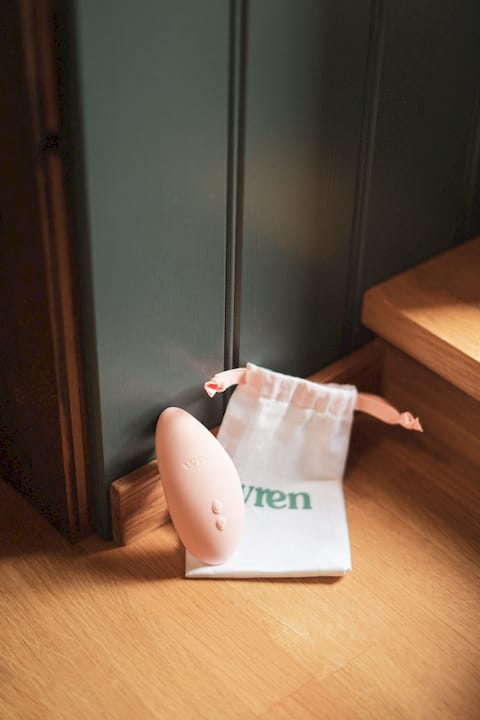
Spare flanges, soft silicone inserts, and a discreet bag for carrying pump parts between home and work are worth having on hand too, especially once you’re back at your desk and pumping on a schedule rather than on demand.
Practical tips to get more milk from every session
Small adjustments, tried consistently, tend to matter more than any single trick.
Pro Tip: If time is tight, try short clustered pumps, two 10-minute sessions 20 minutes apart, rather than skipping a session entirely. It’s often more effective than one long, rushed pump.
Hand expressing for a minute or two before switching the pump on can trigger let-down faster, according to UHSussex NHS Foundation Trust’s guidance. Breast massage and gentle compression during the session, rather than just before it, also helps empty the breast more fully.
A warm shower or a warm compress beforehand encourages flow, and a few minutes of skin-to-skin time with your baby, if they’re nearby, can help with let-down through the same hormonal pathway that responds to their cues directly. Stress is the quiet saboteur here. Paced breathing or simply sitting somewhere calm for the first minute of a session often makes a noticeable difference to how quickly milk starts flowing.
If you’re trying to lift supply specifically, power pumping is worth trying for 3 to 7 consecutive days rather than as a one-off. Consistency across those days matters more than any single long session. For more ideas, see our guide to increasing milk supply.
Storing and handling expressed milk safely
Getting the timing right only matters if the milk you’ve expressed stays safe to use.
- Room temperature: use within a few hours where possible; check current NHS guidance for exact limits in your situation.
- Fridge: store towards the back where it’s coldest, and use within the timeframe your local NHS guidance specifies.
- Freezer: label clearly and use oldest milk first, following NHS storage duration guidance for your freezer type.
- Thawing: defrost in the fridge overnight, or run the bottle under lukewarm water if you need it sooner. Never microwave breast milk, as it heats unevenly and can scald your baby.
- Before feeding: swirl gently to remix the separated fat layer rather than shaking vigorously.
If milk is destined for a nursery or childminder, label it with your baby’s name, the date and time it was expressed, and whether it was pumped at home or at work, since some settings ask for this to track rotation properly.
What the evidence actually tells us
Frequency of removal, not the clock, is what protects milk supply over time. Morning timing helps you make the most of a naturally higher prolactin window, but a consistent schedule at “average” times will out-perform an inconsistent one built around chasing the perfect hour.
The physiology backs this up. Prolactin follows a circadian rhythm, running higher overnight and into early morning, which is documented in reviews of lactation hormone patterns. But the same literature notes individual variation is real. Not every mother will see a dramatic morning spike, and that’s normal.
Hospital lactation teams and organisations like La Leche League consistently point to the same three levers: how often you empty the breast, whether your flange fits properly, and whether you’re comfortable enough to relax into let-down. Get those three right and timing becomes a helpful optimisation, not a make-or-break decision.
If output stays consistently low despite frequent, well-fitted pumping, or if you’re dealing with pain, a lump that doesn’t ease, or signs of a blocked duct that won’t shift, it’s worth speaking to a lactation consultant or your health visitor rather than troubleshooting alone.
A note from My-wren
We hear from a lot of mothers who feel like they’re failing some invisible test if their pump doesn’t produce as much as they hoped, particularly in those early weeks when everything feels new. It isn’t a test. Supply responds to frequency, comfort and time far more than to any single “perfect” pumping moment, and most mothers see things settle once a rhythm is established…
My-wren stocks accessories designed around exactly this reality, from wearable pumps that fit into a working day without fanfare to smaller comfort tools that make daily sessions easier to sustain. insert first-hand data or testimonials about Wren products]. If you’re troubleshooting a specific stage, our guides on [exclusive pumping and pumping at work go into more detail than we can cover here.
Where My-wren fits into your pumping routine
Building a pumping routine that actually holds up under a working day or a house full of other demands comes down to having equipment that works with you, not against you. My-wren designs wearable pumps and supporting accessories specifically for mothers who need discretion and comfort without sacrificing output, rather than adapting a bulky hospital-style setup to fit a modern schedule.

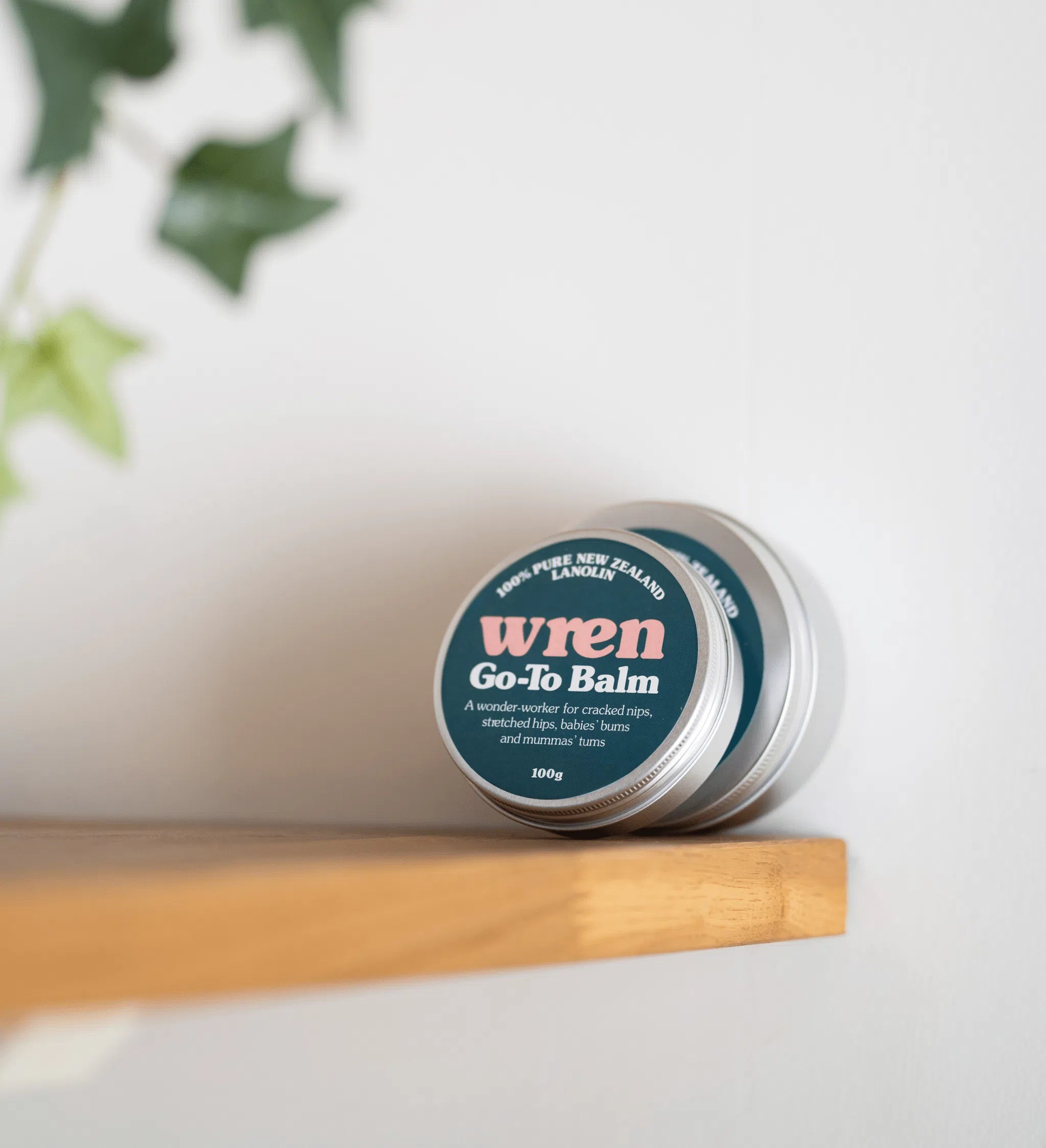
If session comfort has been holding you back, a Lactation Massager helps with let-down and clogged ducts before they become painful. If leaks between sessions are the daily annoyance, Bamboo Reusable Breast Pads are a simple, washable fix. And if you’re planning your return to work, our breastfeeding kits and bundles pair the accessories most mothers reach for first, so you’re not piecing a kit together item by item at the last minute. Browse the breast pump collection to find a wearable option that fits your actual day, then build your accessory kit from there.
Sources
- Breastfeeding and expressing milk (GOSH)
- Expressing your breast milk - Guy’s and St Thomas’
- PubMed: lactation / prolactin circadian review
- La Leche League International: Pumping milk


