


8–12 Times a Day: UK Breast Milk Pumping Schedule by Stage


Most newborns need pumping every 2 to 3 hours, roughly 8 to 12 times in 24 hours, and exclusive pumpers should match that rhythm too. Once supply settles, usually after a few weeks (around three to four weeks), many parents stretch to every 3 to 4 hours. The rule of thumb behind how often you should pump is simple: pump as often as your baby would feed, including one session overnight or in the early hours when prolactin runs highest.
TL;DR:
- Pump as often as your baby would feed, ideally every 2 to 3 hours in the newborn stage, including overnight sessions during peak prolactin times.
- Starting early is advantageous if your baby is in neonatal care or separated; practice sessions before returning to work help test equipment and baby’s bottle acceptance.
- Most sessions should last 15 to 30 minutes until milk flow slows, with double pumping providing time savings and increased volume, especially for full-time pumping schedules.
- Power pumping for about 40 minutes over several days can boost supply temporarily, but consistent frequent removal and hydration are more important long-term.
- Store milk in 2 to 4-ounce portions and label with the date, reheating gently in warm water, and wash pump parts after each use to maintain safety and efficiency.
Table of Contents
- When should you start pumping breast milk?
- How often should you pump at each stage?
- How long should each pumping session last?
- How can you protect and increase your milk supply?
- How should you store and handle expressed milk?
- What’s the best way to clean pump parts?
- When should you seek help for low supply?
- Wren’s take on fitting pumping into real life
- Which Wren pump suits your pumping schedule?
- Where this guidance comes from
- Sources
When should you start pumping breast milk?
Timing depends entirely on your situation. If your baby is in neonatal care or you’re separated for any reason, start pumping as soon as possible after birth to protect your supply from day one. If you’re breastfeeding without complications, there’s no medical need to pump early. Most parents planning a return to work begin practice sessions a few weeks beforehand.
Starting early gives you a real advantage. A few practice sessions before you’re back at work let you test flange fit, get used to the suction pattern, and see how your baby takes to a bottle, all without the pressure of a return-to-work deadline hanging over you.
Before your first proper session, gather the basics:
- A reliable breast pump, electric or manual
- Spare flanges and valves, since sizing can change over the first few months
- Bottles and breast milk storage bags for anything you’re not using straight away
- A cooler bag if you’ll be transporting milk from work or elsewhere
How often should you pump at each stage?
Frequency isn’t one fixed number. It shifts depending on whether you’re pumping alongside breastfeeding, exclusively pumping, or juggling a return to work, and getting the stage right matters more than hitting an arbitrary target.
In the newborn period, aim for every 2 to 3 hours around the clock, which works out to 8 to 12 sessions in 24 hours. This mirrors a newborn’s natural feeding pattern and does the heavy lifting of establishing your supply. Skipping the overnight session feels tempting when you’re exhausted, but that window between roughly 2am and 4am carries the highest prolactin levels of the day, so it tends to be disproportionately valuable for building supply.
If you’re exclusively pumping, mirror your baby’s feeding pattern exactly rather than pumping on a separate schedule. That means the same 8 to 12 sessions in the newborn weeks. Reassess at the 3 to 4 week mark: if your supply has established itself well, you may be able to space sessions out to every 3 to 4 hours without a drop in output. Watch how your body responds rather than following a calendar blindly.
Combining breastfeeding with pumping works best when you choose specific feeds to replace rather than adding pumps on top of a full feeding schedule. A common approach is pumping after morning feeds, when supply tends to be more abundant, or replacing one afternoon breastfeed with a bottle. If you want to drop a pumping session, do it gradually. Our guide on combining breastfeeds and pumps walks through which sessions to swap first and how to judge whether your baby is still satisfied.
At work, a 3 hour rhythm is the most practical template: one session mid-morning, one at lunchtime, one mid-afternoon. That’s the schedule Cleveland Clinic recommends for working parents, and it fits neatly around a typical office day. Adjust based on your yield: if a session runs dry quickly, you can shorten it; if you’re leaving milk behind, add five minutes or an extra session.
- Pump before you feel uncomfortably full, not after
- Keep session timing consistent even on busy days, since irregular gaps tend to dent supply faster than the total number of sessions
- Note your output for a week or two so you can spot patterns and adjust with confidence
Pro Tip: Don’t judge your supply purely by how much you pump. Babies are far more efficient at extracting milk than any pump on the market, so a modest pumped volume doesn’t automatically mean low supply.
How long should each pumping session last?
Most guidance points to a pumping session lasting around 15 to 30 minutes, or until the flow slows to a drip, whichever comes first. Many parents find that around 20 minutes per breast hits the sweet spot between thoroughly emptying the breast and not wasting time on a session that’s stopped producing much.
Double pumping, both breasts at once, tends to save time and can boost overall volume compared with single pumping, since it takes advantage of the let-down reflex happening on both sides simultaneously. Single pumping still has its place, particularly for parents pumping less frequently or topping up after a breastfeed.
Watch for these cues rather than the clock alone:
- The breast feels noticeably softer than when you started
- Milk flow has slowed from a steady stream to occasional drips
- You’re pumping to comfort, never to the point of pain
Our detailed breakdown of how long to pump per session covers what a typical timeline looks like across a full day.
How can you protect and increase your milk supply?
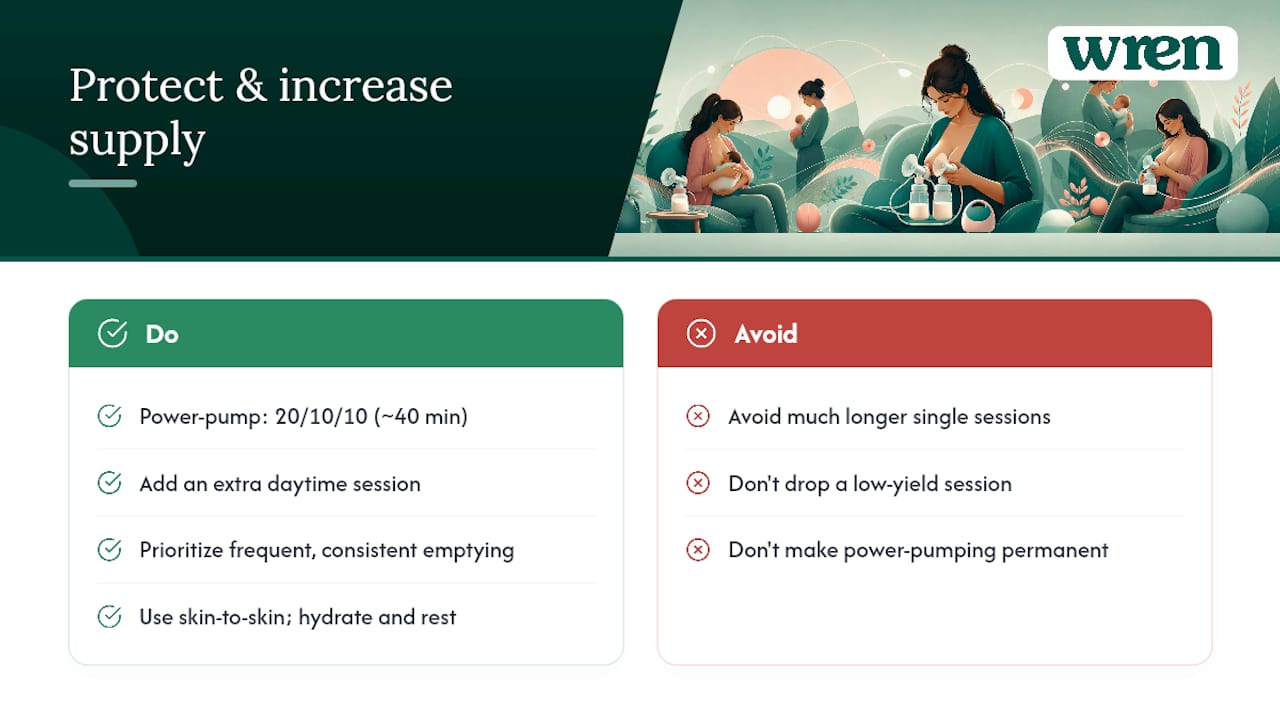
Power pumping is the technique most lactation professionals reach for when supply needs a short-term boost. The method involves roughly 40 minutes total, broken into intervals: pump for 20 minutes, rest for 10, pump for 10 more. Cleveland Clinic notes this works best as a few-day intervention rather than a permanent addition to your routine, ideally paired with extra skin-to-skin contact and more frequent breastfeeds where possible.
If you notice supply dipping after spacing out your sessions, the fix usually isn’t a much longer pumping session. It’s adding back an extra session during the day. Frequent removal signals your body to keep producing, so consistency in how often you empty the breast matters more than how long any single session runs.
Beyond technique, the basics still carry weight: staying hydrated, resting where you can, and skin-to-skin contact all support production. If supply doesn’t respond to these adjustments within a week or two, a certified lactation consultant can assess feeding mechanics and rule out underlying issues before you consider medication.
Pro Tip: If one session consistently yields far less than the others, try moving it 30 minutes earlier rather than dropping it altogether. Timing relative to your body’s natural rhythm often matters more than the session itself.
How should you store and handle expressed milk?
Portion sizes matter more than most parents expect. Storing milk in 60 to 120ml (2 to 4oz) portions matches typical feed sizes and cuts down on waste, since thawed milk that isn’t finished has to be discarded.
Practical storage rules to follow:
- Fresh milk keeps safely in the fridge for a defined period; check current NHS guidance for exact timings, as these are periodically reviewed
- Frozen milk lasts considerably longer, but always thaw in the fridge overnight rather than at room temperature
- Reheat gently in warm water, never in a microwave, which creates hot spots that can scald your baby
- Label every bag or bottle with the date expressed, and use the oldest milk first
Storage bags tend to suit freezer stashes since they lie flat and save space, while bottles work well for milk you’ll use within a day or two.
What’s the best way to clean pump parts?
Wash flanges, valves, and bottles in hot soapy water after every session, then air-dry them on a clean, dedicated rack rather than a tea towel. Sterilise parts occasionally, either by boiling or using a steam steriliser, and replace valves and membranes as often as your pump manufacturer recommends, since worn parts can quietly reduce suction efficiency.
For workplace pumping, disposable pump-part wipes are useful when you can’t wash immediately between sessions. Keeping a spare set of flanges and valves in your bag means one dirty set doesn’t derail your schedule.
When should you seek help for low supply?
Contact your health visitor, GP, or a certified lactation consultant if you notice severe breast pain, fever, a sudden drop in output, a blocked duct that isn’t clearing after a day or two, or if your baby is losing more weight than expected. Try repositioning, warm compresses, and more frequent removal first. If nothing shifts within 24 to 48 hours, stop managing it alone and get a professional assessment.
Wren’s take on fitting pumping into real life
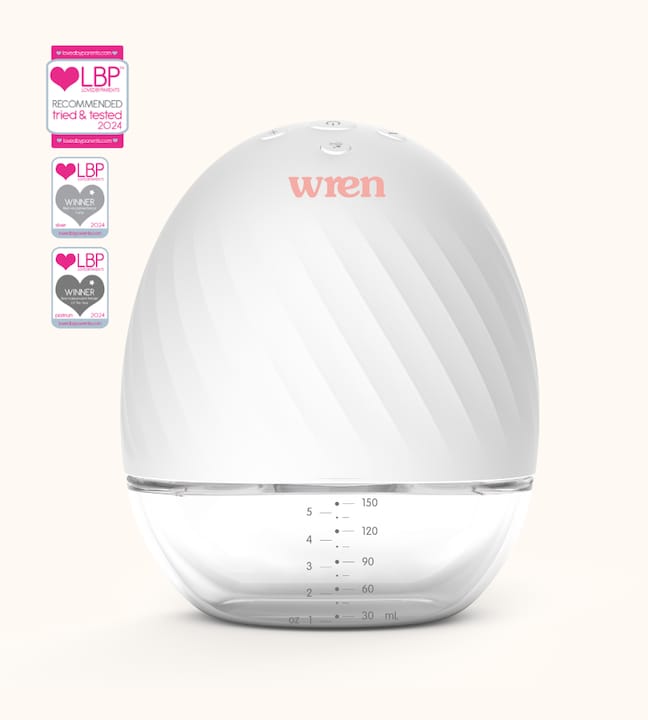
Schedules only work if the equipment behind them does too. Pumps are designed around the reality that a newborn’s 2 to 3 hourly rhythm doesn’t pause for anyone’s convenience, and hands-free, wearable options exist to let you pump while you’re still functioning as a person. A single pump suits someone pumping occasionally or topping up after feeds; a double suits anyone doing the full newborn or exclusive-pumping rota. None of that replaces proper medical advice when something feels wrong. If in doubt, speak to a professional rather than troubleshooting alone.
— Paul
Which Wren pump suits your pumping schedule?
Match your equipment to your actual routine, not the one you wish you had. If you’re pumping 8 to 12 times a day, either as a newborn parent or an exclusive pumper, a hands-free double electric breast pump cuts your total time at the pump roughly in half compared with single pumping, since both breasts empty simultaneously.
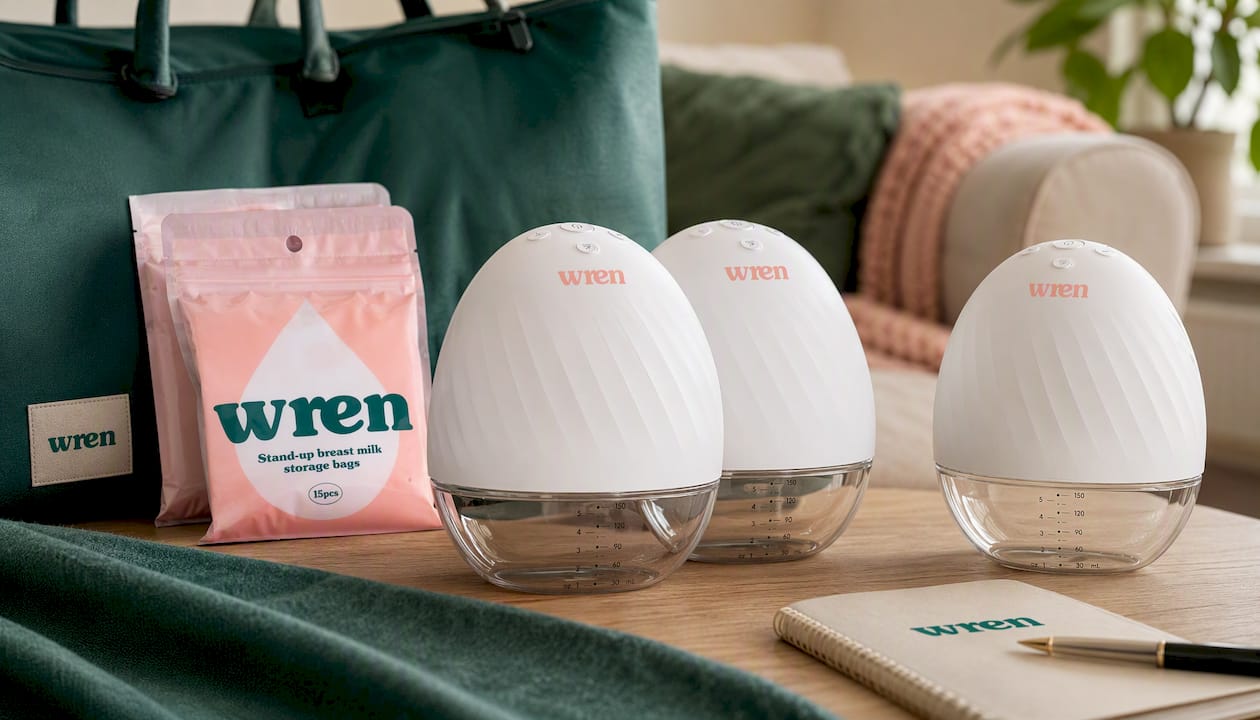
If you’re pumping occasionally, topping up after breastfeeds, or need something discreet for the odd session at work, the hands-free electric breast pump gives you the same wearable freedom without paying for capacity you won’t use. Whichever you choose, check battery life against your longest day away from a charger, confirm the flange sizing options fit properly (poor fit is the most common cause of low output and discomfort), and look at what warranty cover comes with it. Pair either pump with breast milk storage bags to keep your freezer stash organised and dated. Browse the full range at My-wren to find the fit that matches your schedule.
Where this guidance comes from
This article draws on CDC guidance on pumping frequency, NHS advice on expressing breast milk, and peer-reviewed research on pump versus manual expression efficiency. For broader postpartum routines alongside pumping, see this postpartum self-care guide.
This article is general information, not a substitute for advice from a qualified doctor. Consult a qualified healthcare professional about your own circumstances before acting on anything here.
Sources
- Pumping Breast Milk | Infant and Toddler Nutrition | CDC
- Expressing your breast milk — NHS
- How Often Should I Pump? A Breast Pumping Guide
- Manual and pump methods of expression of breast milk — PMC
- Pumping schedule for when you’re back to work — Cleveland Clinic


