


Combining breast milk batches: the safety rules that matter


Yes, you can combine breast milk batches, but only once the fresh milk has cooled to fridge temperature. Never add warm milk straight to milk that is already cold or frozen. This one step affects the safety of everything you pool afterwards.
- Cool first, always. Warm milk added to cold milk raises the temperature of the whole batch and can partially thaw frozen layers.
- Label with the oldest date. Storage limits are set by the earliest pumping session in the container, not the most recent one.
- Watch for exceptions. Premature or immunocompromised babies, any suspected contamination, and sessions expressed after alcohol or certain medications need separate handling rather than pooling.
Key Takeaways
Combining breast milk batches is safe when fresh milk is cooled before mixing and the container is labelled with the oldest pumping date, since storage limits follow that earliest session.
| Point | Details |
|---|---|
| Cool before combining | Chill fresh milk to fridge temperature (30 to 60 minutes) before adding it to cold or frozen milk. |
| Label by oldest date | Storage limits follow the earliest session in the mix, not the most recent addition. |
| Follow storage limits | Use refrigerated combined milk within four days; frozen milk within six months for best quality. |
| Pooling reduces variability | A 19-mother study found pooling cut caloric swings of up to 29% between sessions without raising bacterial counts. |
| Know the exceptions | Premature babies, contamination risk, and medication or alcohol sessions should be kept separate. |
| Stock the right kit | My-wren’s reusable pads, lactation massager, and spare pump parts support the hygiene that safe pooling depends on. |
Table of Contents
- The basic rules for combining breast milk batches
- How to combine pumped milk step by step
- How long can you store combined breast milk batches?
- Does pooling milk over 24 hours actually help?
- When you shouldn’t mix breast milk batches
- Thawing, reheating, and using combined milk
- Common mistakes when pooling and storing milk
- A note from Paul on getting this right
- The right tools make safe pooling easier
- Where to check official guidance
- Sources
The basic rules for combining breast milk batches
Three checks decide whether two pumping sessions can go into the same container: temperature, timing, and hygiene.
- Match the temperature. Fresh milk needs to sit in the fridge for roughly 30 to 60 minutes until it’s fully cold before it joins refrigerated milk. Thawed milk should be at a similar temperature to whatever it’s being combined with. Skipping this step is the single most common mistake parents make when pooling.
- Date by the oldest session. Once two batches are combined, the whole container inherits the shorter shelf life of the earliest expressed milk. NHS guidance is clear on labelling with date and time as soon as milk is expressed, precisely so this rule is easy to apply later.
- Keep hands and equipment clean. Wash hands before expressing, use properly sterilised bottles or storage bags, and check pump parts for residue. If you’re unsure whether a session was handled cleanly, keep it separate rather than risk the whole batch.
Pro Tip: Keep a permanent marker or pre-printed labels next to your pump. The two seconds it takes to write the time on a bottle saves you from guessing later, when several bottles look identical in the fridge door.
How to combine pumped milk step by step
Combining milk safely is less about complicated technique and more about sequencing. Get the order right and the rest is straightforward.
- Express milk and place it in a clean, sealed container.
- Chill it in the fridge in its original container until it reaches fridge temperature (this usually takes under an hour).
- Pour the cooled milk into your storage container, topping up existing refrigerated or frozen milk.
- Label the combined container with the earliest date and time among the sessions inside.
- Portion into feed-sized amounts, typically 2 to 4 fl oz (roughly 60 to 120ml), before freezing.
A few habits make this easier day to day:
- Freeze in small, labelled increments so you’re never defrosting more than one feed needs.
- Leave a little headspace in bags or bottles, since milk expands as it freezes.
- Swirl the container gently to recombine the fat layer rather than shaking it, which the URMC health encyclopaedia specifically recommends over vigorous mixing.
How long can you store combined breast milk batches?
Storage limits always follow the oldest milk in the container, never the most recent addition. That’s the rule that trips up most new parents.
- Refrigerated combined milk: use within four days, based on the shelf life of the earliest session, provided your fridge sits at the correct temperature throughout.
- Frozen combined milk: label with the oldest pumping date. Most guidance treats six months as the optimal window for nutritional quality, with 12 months as the outer limit in a freezer that stays consistently cold.
- Thawed milk: use within 24 hours of thawing, and never refreeze it once it has defrosted.
A study of pooled expression across a 24-hour window found no statistically significant rise in bacterial contamination compared with individual sessions, which supports the safety of combining fresh, properly stored milk within these timeframes. Full details are in the pooling section below.
Freezer burn, cloudy separation that won’t recombine, or a sour smell after thawing are signs to discard the batch rather than risk feeding it.
Does pooling milk over 24 hours actually help?
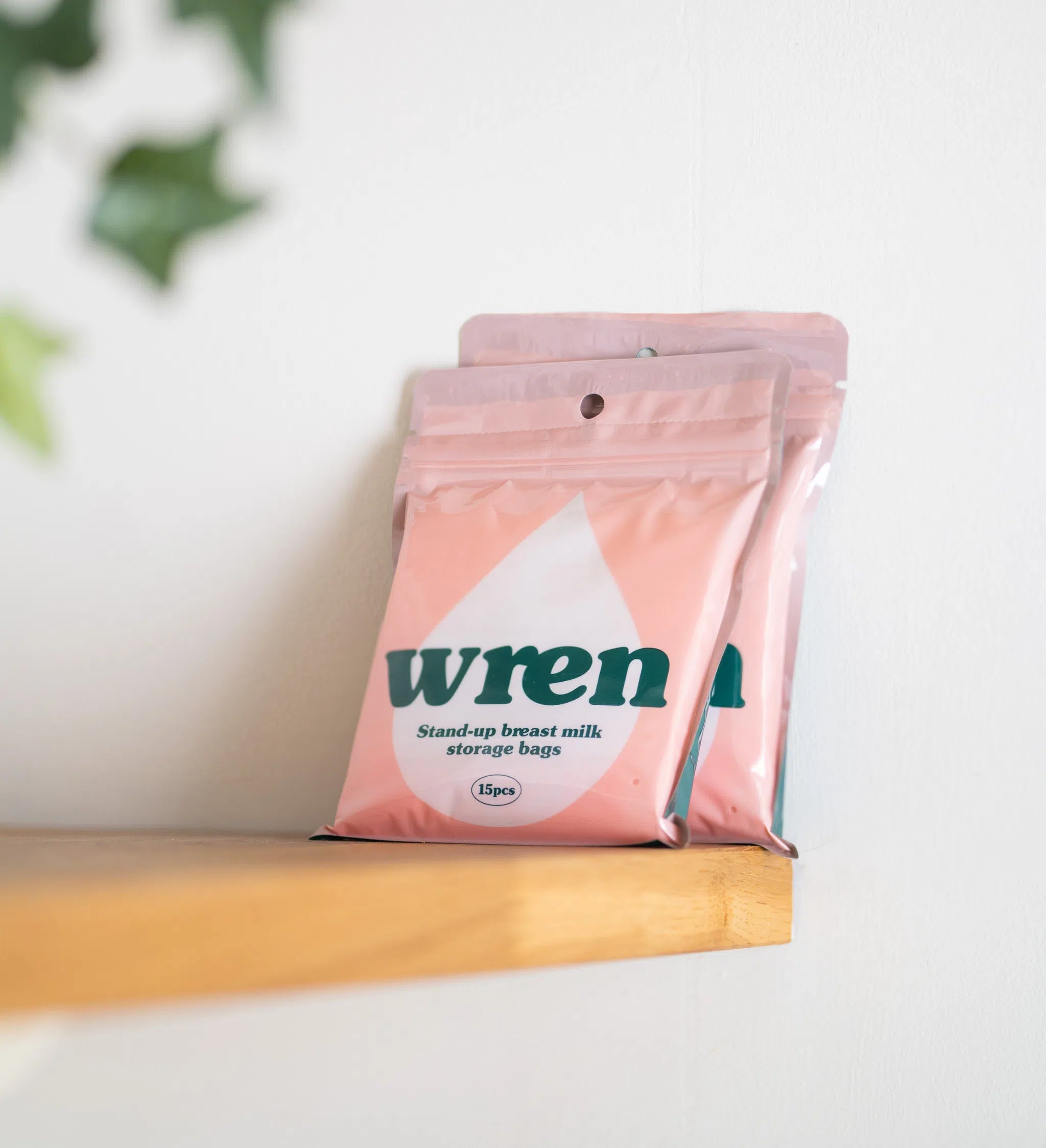
Some parents pool every session from a 24-hour period into one container before portioning and freezing, sometimes called the pitcher method. The evidence behind it is more solid than most pumping advice you’ll come across online.
A study published in Breastfeeding Medicine followed 19 mothers and found that individual pumping sessions varied in caloric density by up to 29%. That’s a meaningful swing when you’re trying to give a baby consistent nutrition feed to feed.
Pooling milk across a 24-hour period smoothed out that variability considerably, and pooled samples actually showed fewer instances of high bacterial counts than individual sessions (8.6% versus 14.7%), though the difference wasn’t statistically significant.
The practical upside is real: more predictable calories per feed, simpler portioning, and less guesswork about which bottle has more foremilk versus hindmilk. The caveat is scale. Nineteen mothers is a small sample, and hospitals treating premature or medically fragile infants generally override this kind of general guidance with stricter, single-session protocols.
When you shouldn’t mix breast milk batches
Pooling isn’t the default choice in every situation. A handful of circumstances call for keeping sessions strictly separate.
- Premature or immunocompromised babies: follow your NICU or paediatric team’s instructions, which often specify single-session feeding rather than pooling.
- Suspected contamination: if pump parts weren’t properly cleaned, or you handled milk with unwashed hands or cracked skin, keep that session separate or discard it.
- Medication or alcohol: milk expressed shortly after drinking or during certain medication courses may need to follow “pump and dump” advice rather than joining your regular stock.
- Donor or banked milk: keep it tracked separately and check with the milk bank before combining it with your own supply.
Thawing, reheating, and using combined milk
Getting the thaw right protects both safety and nutrients. Two methods work: overnight in the fridge, or a warm water bath for a quicker result. Skip the microwave entirely, since it heats unevenly and can create dangerous hot spots.
- Thaw milk in the fridge overnight, or stand the sealed container in warm (not boiling) water.
- If you’re combining freshly expressed milk with thawed milk for an immediate feed, check both are at a similar temperature first, then feed promptly.
- Use thawed milk within 24 hours and never refreeze it, a rule the URMC guidance reiterates specifically because refreezing degrades quality and raises contamination risk.
- Discard anything left in the bottle after a feed rather than saving it for later.
Pro Tip: Thaw slightly less than you think you’ll need. It’s far easier to warm a top-up bottle than to waste milk you can’t refreeze.
Common mistakes when pooling and storing milk
A few small habits separate parents who pool milk confidently from those who end up second-guessing every bottle.
- Label with the oldest date and time, and note “night milk” separately if you’re deliberately keeping day and night sessions apart.
- Portion into feed-sized amounts before freezing so you’re not defrosting more than one feed at a time.
- Never top up cold or frozen milk with anything still warm from pumping.
- Swirl gently to recombine the fat layer that naturally separates in the fridge or freezer, rather than shaking the bottle.
Pro Tip: If you exclusively pump, our exclusive pumping starter guide walks through building a stock rotation that avoids most of these mistakes from week one.
A note from Paul on getting this right
Writing in-depth pumping guides has taught me that the rules around combining milk are simpler than they first appear. My-wren builds practical tools and guidance for exactly this stage of feeding. For premature babies or anything medically complex, always speak with a lactation consultant first.
— Paul
The right tools make safe pooling easier
Getting the process right depends on more than knowing the rules. It depends on having clean, reliable kit within reach every time you pump.
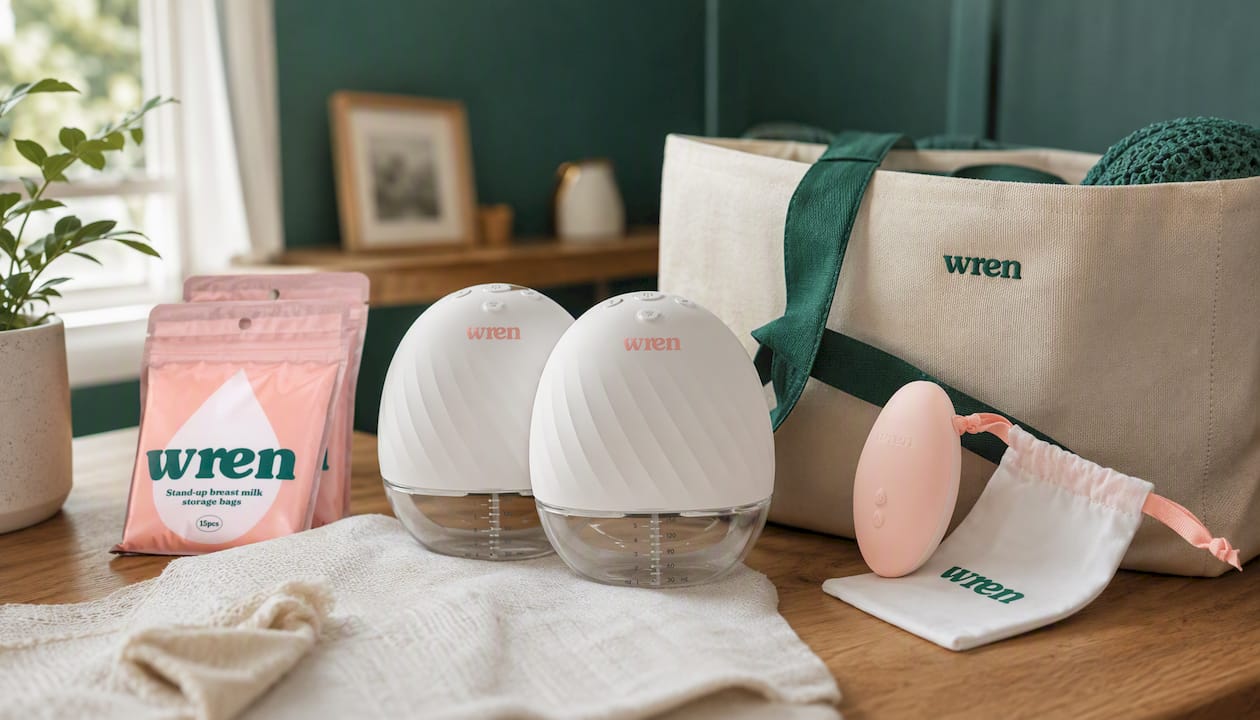
My-wren’s Bamboo Reusable Breast Pads help keep skin dry between sessions, reducing the risk of the kind of contamination that means a batch has to be discarded rather than pooled. A Lactation Massager supports better flow during expressing, which matters when you’re trying to build up consistent, feed-sized portions. And because hygiene starts with your equipment, spares like the Spare Valve x 3 and a Connector Unit mean you’re never tempted to reuse a part that isn’t properly clean. Browse the full breastfeeding accessories collection to build a setup that supports safe storage from the first session onward, with prices listed in £ across the shop.
Where to check official guidance
For anyone wanting to verify these rules directly at the source:
- NHS: storing breast milk, covering fridge and freezer timelines.
- Breastfeeding Medicine: 24-hour pooling study, the peer-reviewed evidence behind the pitcher method.
- URMC Health Encyclopedia: pumping, collecting, storing, hospital guidance on mixing and thawing.
This article is general information, not a substitute for advice from a qualified doctor. Consult a qualified healthcare professional about your own circumstances before acting on anything here.
Sources
- Pooling a mother’s expressed breastmilk for 24 hours reduces variation in macronutrient content without increasing bacterial counts (Breastfeeding Medicine)
- Nhs
- Breast milk: pumping, collecting, storing (URMC Health Encyclopedia)


