


Hands-free pumping: the UK parent's complete guide


For most UK parents, a wearable electric breast pump is the most practical hands-free pumping solution. It fits inside a standard nursing bra, runs on battery, and lets you express while working, feeding an older child, or simply resting. My-wren’s double wearable pump is a strong starting point for parents who want simultaneous expressing with minimal fuss.
- Wearable pump: best for portability, discreetness, and returning to work
- Pumping bra with standard pump: good for home use when you already own a pump
- DIY elastic band hack: a short-term fix when no other option is available
Pro Tip: Before your first session, check that the flange sits flush against your breast with no gap. A poor seal is the single most common cause of low output, regardless of which method you use.
Table of Contents
- What does hands-free pumping actually cover?
- How to set up each hands-free approach, step by step
- Are hands-free pumps as effective as standard pumps?
- How does flange fit affect comfort and output?
- Cleaning, maintenance, and UK milk storage basics
- What does hands-free pumping cost in the UK?
- Why choose My-wren’s wearable pump?
- Key takeaways
- The case for getting the basics right first
- My-wren’s wearable pumps: where to buy
- Further reading and sources
What does hands-free pumping actually cover?
Hands-free pumping means expressing milk without holding the flanges or bottles in place, so both hands stay free. Parents choose it for multitasking at a desk, feeding a toddler simultaneously, or pumping quietly at night without sitting upright and still.
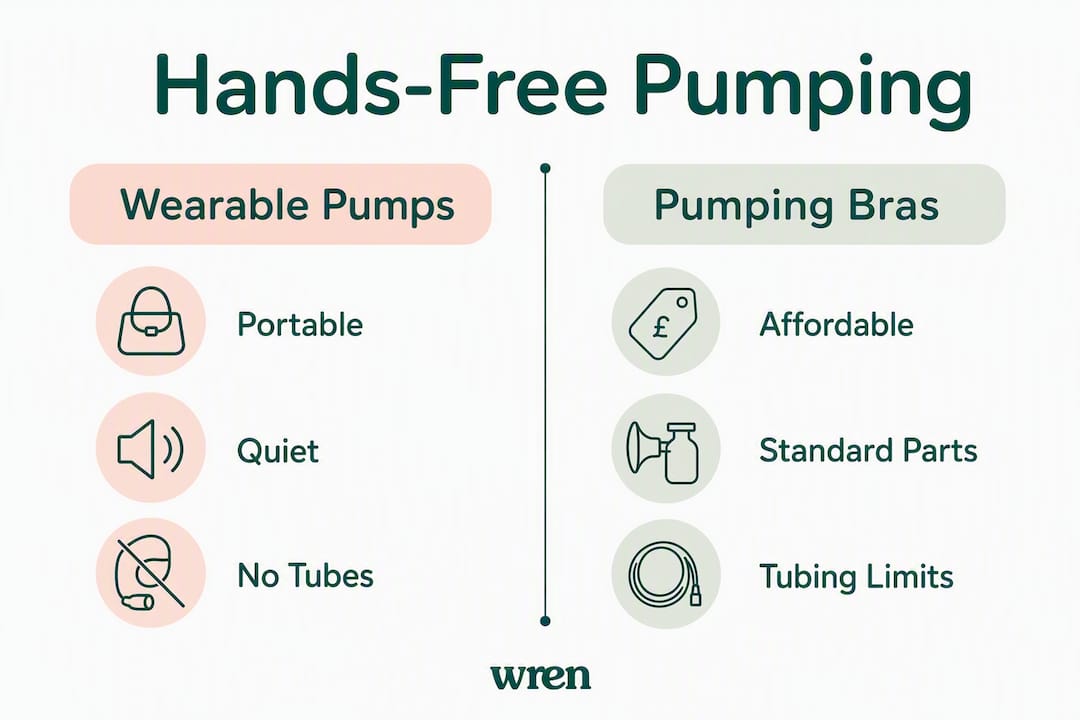
Three practical approaches cover most situations.
| Approach | Pros | Cons | Best for |
|---|---|---|---|
| Wearable pump | Fully portable, discreet, no tubes | Higher upfront cost | Work, travel, active days |
| Pumping bra + standard pump | Lower cost if you own a pump | Tubes, less mobile | Home sessions |
| DIY elastic band hack | Near zero cost | Unstable for long sessions | Emergency or occasional use |
Wearable pumps sit entirely inside a bra cup. They are battery-powered, quiet, and work without a separate motor unit. The trade-off is price: quality wearables cost more than a pumping bra accessory.
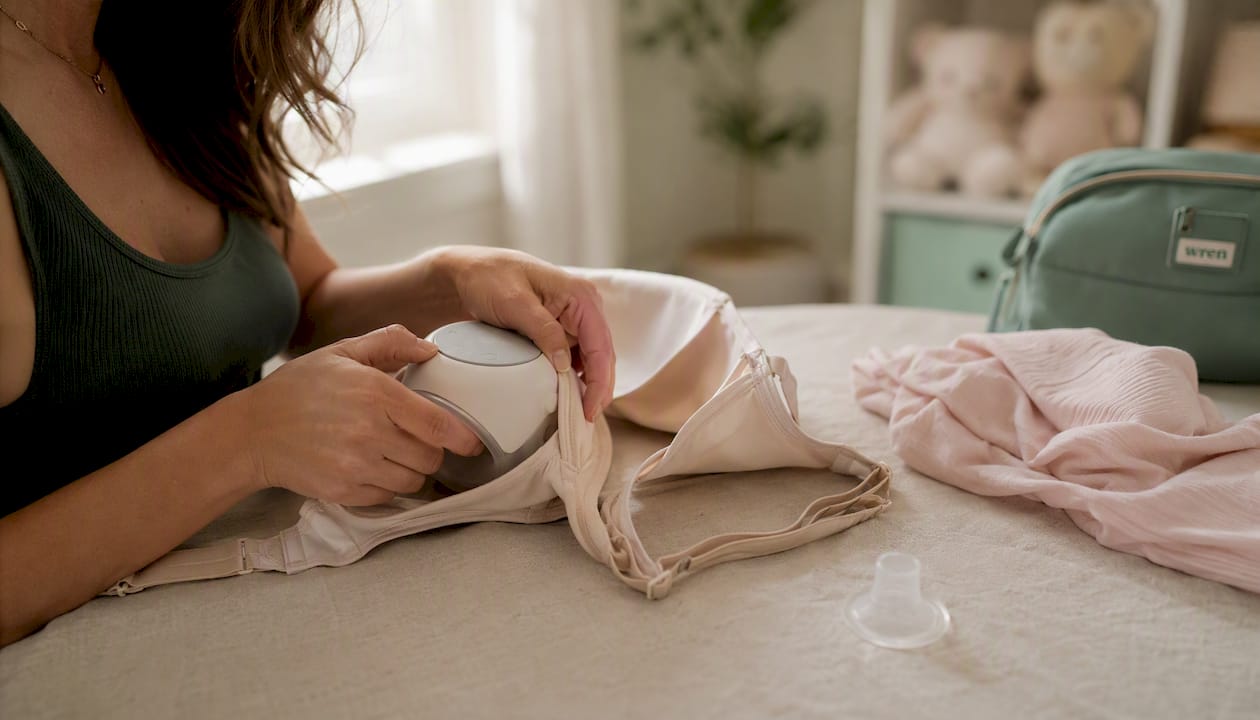
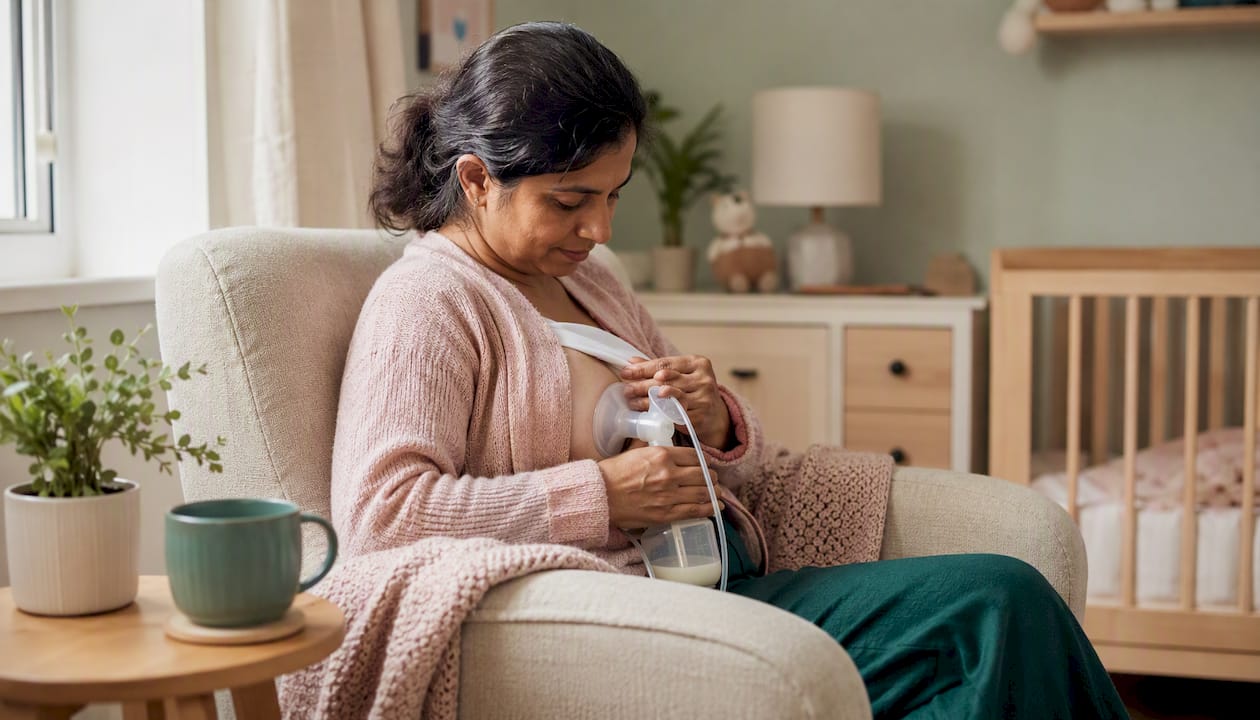
Pumping bras hold standard flanges in place while the motor unit sits nearby. They work well at home but the tubing limits movement. A hands-free breastfeeding pump bra is widely available from UK baby retailers for under £30.
DIY methods use a cut sports bra or an elastic ponytail band looped around a standard bra to hold flanges. KellyMom notes these hacks are practical short-term solutions, though the site cautions they can be unstable for longer sessions.
Pro Tip: If you travel frequently for work, a wearable pump pays for itself quickly. Pumping quietly at night or on a train without carrying a motor unit and tubing is a genuine quality-of-life difference.
How to set up each hands-free approach, step by step
Wearable pump setup
- Select the correct insert size. Most wearable pumps include multiple flange inserts; the nipple should move freely without the areola being pulled in.
- Charge the pump fully before first use. Most wearable pumps offer several hours of use per charge; check your model’s specification.
- Place the pump cup inside your bra cup and align the flange over the nipple.
- Press the cup gently against the breast to create a seal, then fasten your bra normally.
- Start on a low suction setting and increase gradually to a comfortable level.
- Set a session timer. Lactation guidance from Kindred Bravely recommends checking seals frequently and keeping sessions within a comfortable duration to avoid over-pumping.
Pumping bra setup
- Put on a well-fitting nursing or sports bra.
- Pull the pumping bra over the top, or use a purpose-made hands-free pumping bra with zip or velcro openings.
- Thread the flanges through the bra openings and connect the tubing to your pump motor.
- Adjust the bra straps so the flanges sit level. Uneven positioning causes one side to leak.
- For double pumping, check both flanges are seated before starting the motor.
DIY elastic band method
- Take a standard sports bra or a firm nursing bra.
- Cut two small slits at nipple height, just wide enough for the flange neck to pass through.
- Alternatively, loop a wide elastic ponytail band around the bra band and over the flange neck to hold it in place.
- Test the seal before starting the pump. If the flange shifts, the method is not suitable for this session.
Safety note: Stop pumping immediately if you feel sharp pain, notice nipple blanching, or see no milk flow after several minutes. Contact your health visitor or a lactation consultant if discomfort persists.
Common troubleshooting:
- Loss of suction: check the flange seal and all connector points; replace any cracked valves or membranes
- Leaking milk: the flange is likely too large or not seated flush; reposition and try a smaller insert
- Discomfort: reduce suction level first; if pain continues, check flange size against your nipple diameter
Are hands-free pumps as effective as standard pumps?
Wearable and hands-free methods can deliver comparable results to a standard double electric pump for routine expressing, provided the fit is correct. Comparison guides note that individual output and suction strength vary between devices and between parents, so no single answer applies universally.
Fit and technique matter more than the device itself. As Kindred Bravely’s lactation guidance puts it: good technique usually improves output more than premium features.
NHS and lactation consultant guidance is clear: use the lowest suction setting that is still comfortable and effective, keep sessions to a practical length, and stop if you experience pain. Your health visitor or community midwife can advise on safe pumping practice for your specific situation.
| Session type | Typical duration | Frequency guidance |
|---|---|---|
| Routine expressing | 15 minutes | Every 2–3 hours to match baby’s feeds |
| Night session | 10–15 minutes | As needed to maintain supply |
| Single-side session | 10–15 minutes per side | Alternate sides if using a single pump |
Over-pumping, meaning sessions that are too long or too frequent, can cause nipple soreness and does not necessarily increase supply. If output drops or discomfort increases, reduce session length before adjusting frequency.
This article provides general information, not medical advice. Confirm current guidance with your health visitor, midwife, or a qualified lactation consultant.
How does flange fit affect comfort and output?
Correct flange sizing is the single most controllable factor in pumping comfort and efficiency. The nipple should move freely in the flange tunnel with only a small amount of areola drawn in. Too large a flange pulls in excess areola tissue; too small compresses the nipple and restricts milk flow.
Most wearable pumps include two or three insert sizes. If none feel right, contact the manufacturer for additional sizes before assuming the pump is faulty.
Clothing and comfort checklist:
- Wear a well-fitting nursing bra that holds the pump cup snugly without compressing it
- Nursing tops with discreet openings make wearable pumps genuinely invisible in public or at work
- Bamboo reusable breast pads placed inside the bra cup absorb any minor leaks during a session
- Avoid underwired bras during pumping; they can press on milk ducts
For long sessions, a warm compress applied before pumping encourages let-down. A lactation massager used in gentle circular motions before and during a session can also support milk flow, particularly when supply feels sluggish. More detail on how massagers support expressing is covered in the lactation massager guide.
Pro Tip: Sit or stand upright with your shoulders relaxed. Leaning forward slightly during the first minute of a session helps gravity assist initial let-down, especially with wearable cups.
For posture and ergonomic positioning during longer sessions, the ergonomics of breastfeeding guide from Zabbidoo covers practical adjustments that reduce back and shoulder strain.
Cleaning, maintenance, and UK milk storage basics
Clean pump parts properly after every session. Bacteria multiply quickly in warm milk residue, so this step is not optional.
After every session:
- Disassemble all parts that contact milk: flanges, valves, membranes, and milk containers.
- Rinse under cold water first to remove milk residue, then wash with warm soapy water.
- Air dry on a clean rack; do not towel dry, as fibres can transfer bacteria.
- For exclusively pumped milk, sterilise parts at least once daily using a steam steriliser or boiling water.
Weekly maintenance:
- Inspect valves and membranes for cracks or discolouration; replace them at the first sign of wear.
- Wipe the motor unit or pump body with a damp cloth; never submerge it.
- Check charging contacts on wearable pumps for residue and clean gently with a dry cloth.
The CDC’s breast pump hygiene guidance recommends cleaning all parts that contact breast milk after every use and sterilising daily when a baby is under two months, premature, or immunocompromised.
UK milk storage basics (aligned with Mayo Clinic storage guidance):
- Room temperature (up to 25°C): up to 4 hours
- Refrigerator (4°C or below): up to 4 days
- Freezer (–18°C or below): up to 6 months for best quality
Replace gaskets and silicone inserts as the manufacturer recommends, typically every 1–3 months with regular use. Worn seals are the most common cause of gradual suction loss in wearable pumps.
What does hands-free pumping cost in the UK?
Price ranges vary considerably depending on the approach.
- Pumping bras: £15–£40 from UK baby retailers and online
- DIY sports bra conversion: under £5 if you already own a suitable bra
- Entry-level wearable pumps: £60–£120
- Mid-range wearable pumps: £120–£200
- Premium wearable pumps with heating and vibration: £200 and above
My-wren’s wearable pumps sit in the mid-range, offering double or single configurations with accessories available separately or as part of a breastfeeding bundle.
Where to buy in the UK:
- Direct from My-wren: full product range, accessories, and bundle options with UK warranty and returns
- Specialist baby retailers: useful for in-store fitting advice, though range is narrower
- Pharmacies: stock basic accessories and some entry-level pumps; limited wearable options
Buying direct from a brand’s own site generally gives the clearest warranty terms and access to replacement parts. Check whether the retailer stocks spare valves and membranes before purchasing, as these need regular replacement.
For a broader comparison of portable options available in the UK, the best portable breast pumps guide covers current models and price points in detail.
Why choose My-wren’s wearable pump?
My-wren’s double hands-free electric wearable breast pump and single hands-free electric breast pump are designed for parents who need a reliable, discreet expressing solution that fits into a full day.
Key features:
- Fully wearable design that sits inside a standard nursing bra with no external motor unit
- Battery-powered for all-day portability, whether at home, at work, or travelling
- Multiple insert sizes included for correct flange fit
- Quiet operation suitable for pumping quietly at night or in a shared office
- Easy-to-disassemble parts for quick cleaning between sessions
- Compatible with My-wren’s full accessory range: lactation massager, nipple bubble storage case, and bamboo reusable breast pads
For parents returning to work, the discreet profile and silent motor make it practical in most office environments. The pumping at work tips guide on the My-wren blog covers employer facilities, scheduling, and storage logistics in detail.
Pro Tip: Pair the wearable pump with a lactation massager for the first minute of each session. Gentle vibration before suction starts can shorten the time to let-down, which matters when you are pumping between meetings.
Key takeaways
Wearable electric pumps are the most practical hands-free pumping solution for UK parents who need portability, discretion, and reliable output across a full day.
| Point | Details |
|---|---|
| Choose your approach by lifestyle | Wearable pumps suit active and working parents; pumping bras work well for home use. |
| Flange fit determines output | Check nipple movement in the tunnel; replace inserts if sizing feels off. |
| Clean after every session | Rinse, wash, and air dry all milk-contact parts; sterilise daily for newborns. |
| Budget realistically | Wearable pumps range from £60 to over £200; mid-range models cover most needs. |
| My-wren wearable pump | Available in single and double configurations with UK warranty and accessory bundles. |
The case for getting the basics right first
There is a tendency in online discussions to focus on premium features: heating elements, app connectivity, vibration modes. These additions can help, and modern wearables increasingly offer them. But the parents who report the best results with hands-free pumping are almost always those who sorted fit and technique first, not those who spent the most.
A correctly fitted flange on a mid-range wearable will outperform a premium device worn incorrectly. The same applies to cleaning routines: a pump that is not cleaned properly after every session degrades faster and poses a hygiene risk, regardless of its original quality.
My-wren’s focus on clear sizing guidance, straightforward disassembly, and a full accessory range reflects that priority. The blog at The Nest covers practical topics from choosing a first pump to managing supply at work, because the product alone is only part of the picture.
My-wren’s wearable pumps: where to buy
My-wren’s wearable breast pumps are available directly from the My-wren shop with UK delivery, clear returns, and warranty support. The double wearable pump suits parents who want simultaneous expressing; the single wearable pump is a compact option for lighter daily use.
Accessories including the lactation massager, nipple bubble storage case, and bamboo breast pads are available individually or as part of a breastfeeding bundle. Bundles are a practical way to start with everything you need in one order.
Browse the full range and place your order at my-wren.com.
Further reading and sources
- Hands-free pumping — KellyMom.com — practical methods including the DIY elastic band approach
- Practical gifts for breastfeeding mums — Zabbidoo — accessory and gift bundle ideas
- NHS breastfeeding support — UK-specific guidance; your health visitor or community midwife can advise on pumping practice for your situation
- Choosing an electric breast pump — My-wren blog — UK-focused buying guidance
- Breastfeeding tips for returning to work — My-wren blog — practical scheduling and storage advice


